


Table of Contents
Air purifiers and UV lights are both effective at cleaning indoor air, but they work in different ways. Air purifiers filter out particles like dust, pollen, and pet dander from the air. UV lights kill germs like bacteria and viruses using ultraviolet light.
For most homes, air purifiers are better for removing common allergens, while UV lights excel at killing germs. Many homeowners get the best results by using both technologies together, either as separate devices or in combination units that offer both filtering and UV sanitizing.
How Air Purifiers Work
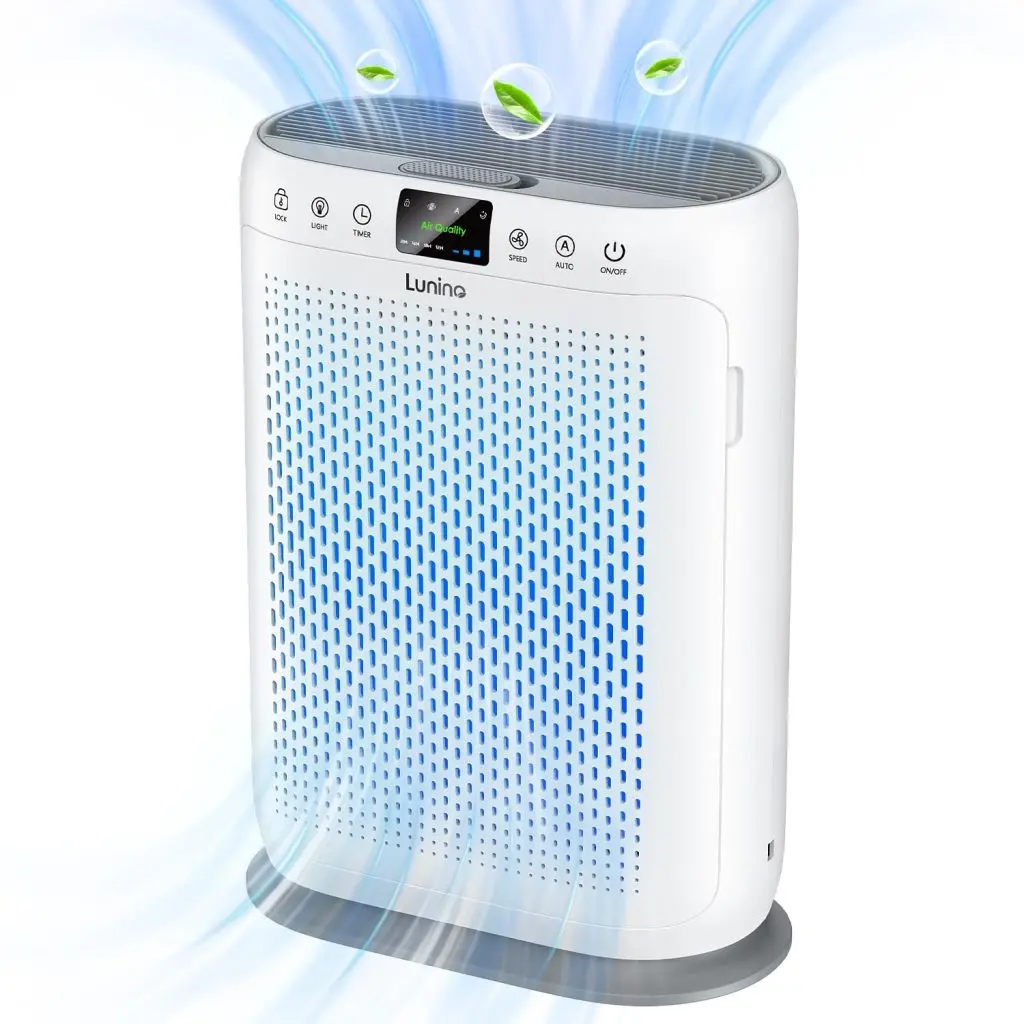
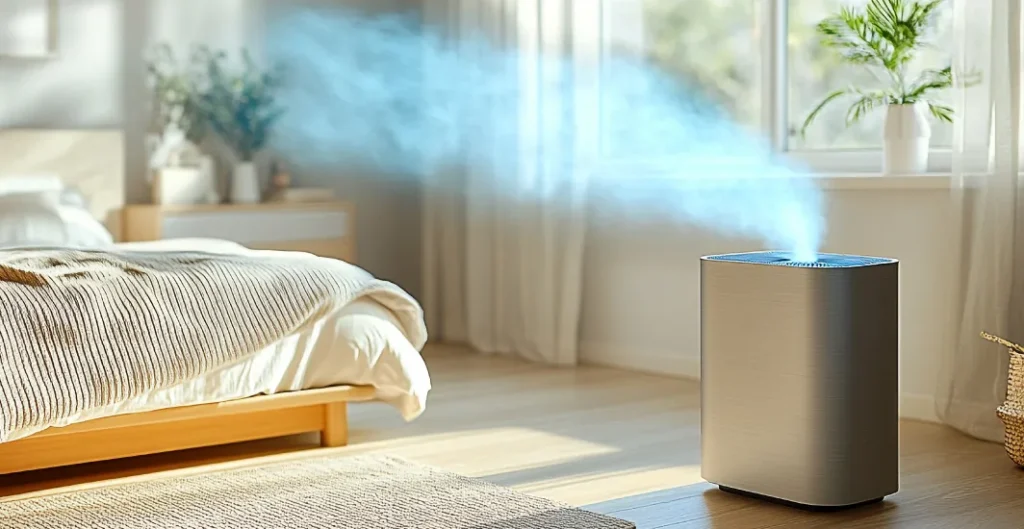
Air purifiers clean the air by pulling it through one or more filters that trap unwanted particles. Think of them like a sieve that catches the bad stuff while letting clean air pass through. Most air purifiers use a fan to draw air in, pass it through filters, and then release the cleaned air back into your room.
The most common type of air purifier uses HEPA filters. HEPA stands for “High-Efficiency Particulate Air.” These special filters can catch tiny particles as small as 0.3 microns. That’s so small you can’t see it with your eyes! HEPA filters can remove:
- Dust and dust mites
- Pollen
- Pet dander
- Mold spores
- Some bacteria
Many air purifiers also include activated carbon filters. These filters are great at removing smells and gases from the air. They can help get rid of cooking odors, pet smells, and even some harmful gases like formaldehyde that might come from new furniture or paint.
Different Types of Air Purifiers
Besides HEPA filters, there are other types of air purifiers:
Electrostatic Precipitators: These use an electrical charge to trap particles. They’re good at catching very small particles but may produce a small amount of ozone.
Ionizers: These release negatively charged ions that attach to airborne particles, making them fall to the ground or stick to surfaces. While effective, you’ll need to clean surfaces more often.
PECO (Photo Electrochemical Oxidation): This newer technology uses light-activated catalysts to destroy pollutants at a molecular level rather than just trapping them.
Air purifiers work continuously as long as they’re turned on, constantly cycling air through their filters to keep your indoor air clean.
How UV Light Air Purification Works
UV light air purifiers work in a completely different way than filter-based air purifiers. Instead of trapping particles, they use ultraviolet light to kill or deactivate harmful microorganisms. UV light damages the DNA of bacteria, viruses, and other pathogens, preventing them from reproducing and causing infections.
There are three main types of UV light used in air purification:
- UV-A: The least powerful type, rarely used alone for air purification
- UV-B: Medium strength, sometimes used in combination with other types
- UV-C: The strongest and most effective for killing germs, most commonly used in air purifiers
UV-C light has a wavelength of 200-280 nanometers, which is particularly effective at destroying microorganisms. When bacteria, viruses, or mold spores pass through the UV-C light in an air purifier, the light damages their genetic material, making them unable to function or reproduce.
UV Light Installation Options
UV lights for air purification can be installed in several ways:
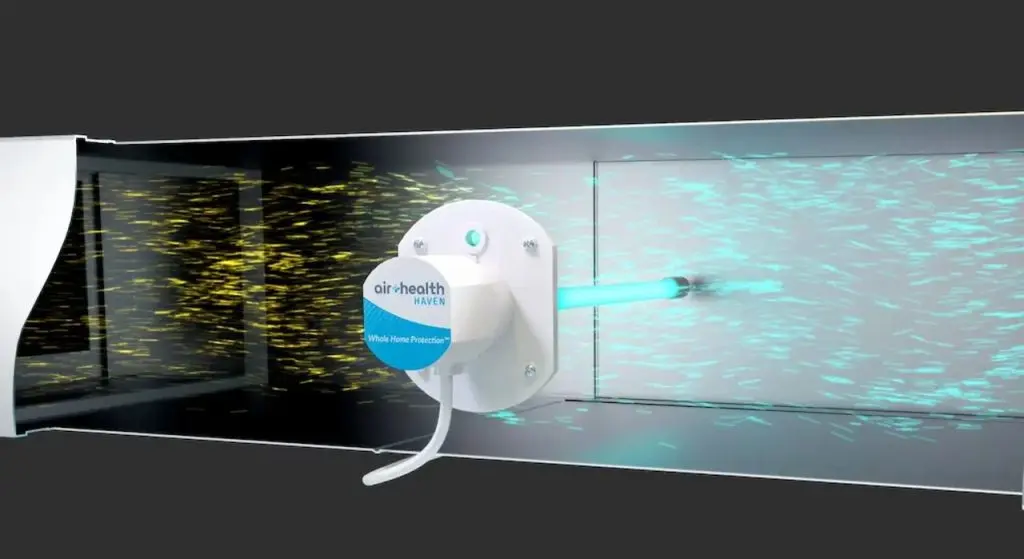
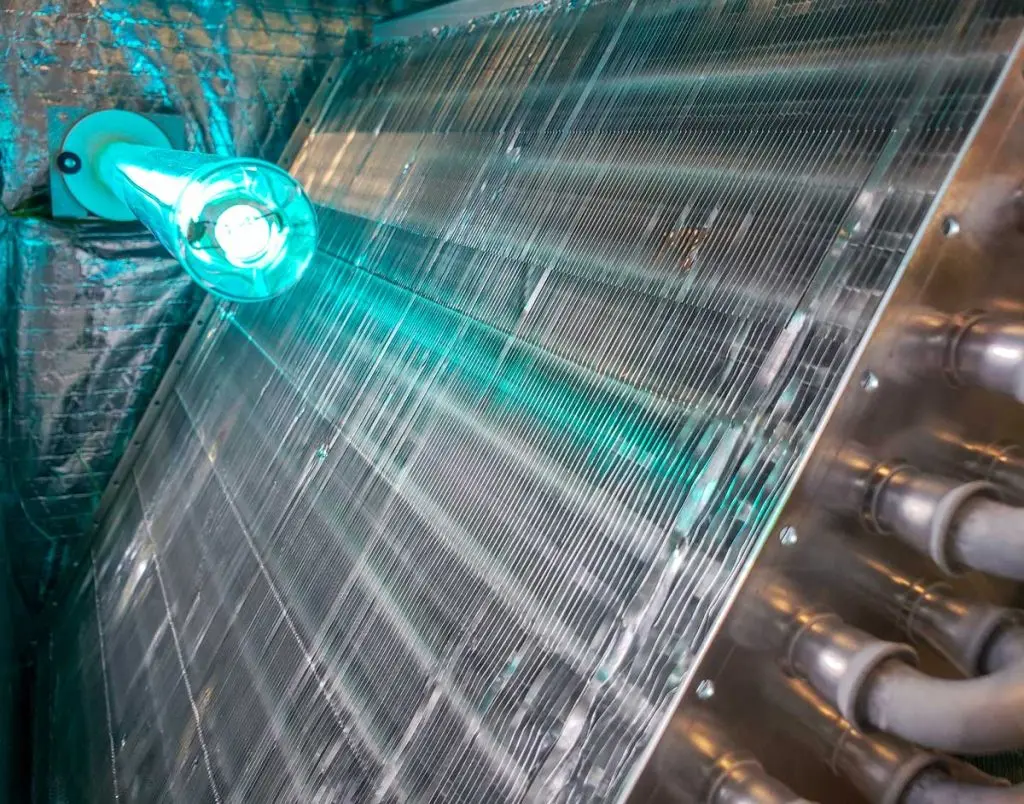
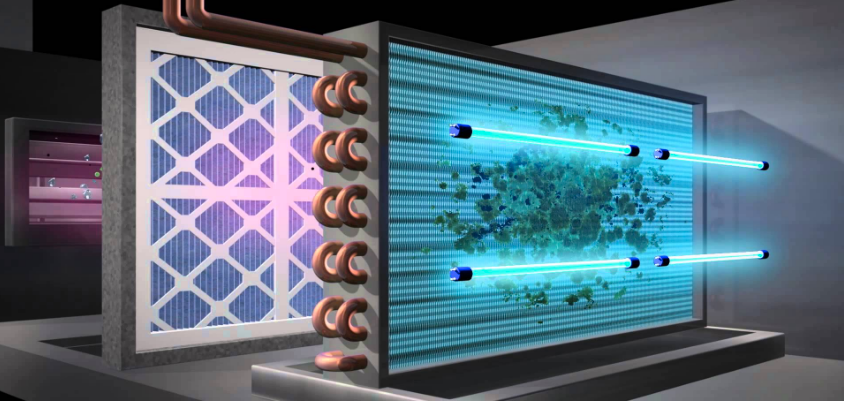
In-duct UV systems: These are installed directly in your home’s HVAC system. As air passes through your ducts, it’s exposed to UV light, killing germs before the air is distributed throughout your home.
Standalone UV air purifiers: These units contain UV lamps and often include fans to draw air past the UV light. Some models combine UV technology with traditional filters for more comprehensive air cleaning.
Upper-room UV systems: Used mainly in commercial settings, these systems mount high on walls and direct UV light across the upper portion of rooms, above people’s heads, to kill airborne pathogens.
It’s important to note that UV lights don’t filter or remove particles from the air. They only kill or deactivate living organisms. This means they won’t help with dust, pollen, or other non-living allergens. For complete air purification, UV lights often work best when combined with traditional air filters.
Comparing Effectiveness Against Different Contaminants
When choosing between air purifiers and UV lights, it’s helpful to know which one works better for specific air quality problems. Let’s compare how each technology handles different types of contaminants.
Air Purifiers’ Strengths
Air purifiers with HEPA filters excel at removing:
- Dust and allergens: HEPA filters can capture 99.97% of particles as small as 0.3 microns, making them excellent for allergy sufferers.
- Pet dander: If you have furry friends, air purifiers can significantly reduce pet-related allergens.
- Pollen: During allergy season, air purifiers can trap pollen that enters your home.
- Smoke particles: Whether from cooking, fireplaces, or wildfire smoke, air purifiers can help remove these particles.
- Mold spores: While they won’t fix the source of mold, they can reduce airborne spores.
Air purifiers with activated carbon can also remove:
- Odors: From cooking smells to pet odors
- VOCs (Volatile Organic Compounds): Chemicals that off-gas from paints, furniture, and cleaning products
- Some gases: Including formaldehyde and benzene
UV Lights’ Strengths
UV light systems are particularly effective against:
- Bacteria: UV-C light can kill most bacteria that pass through its beam
- Viruses: Including cold, flu, and other respiratory viruses
- Mold: UV light can kill mold spores in the air and prevent growth on air handler coils
- Other microorganisms: Various pathogens that might cause illness
Effectiveness Comparison Chart
| Contaminant Type | Air Purifier Effectiveness | UV Light Effectiveness |
|---|---|---|
| Dust | Excellent | Poor |
| Pollen | Excellent | Poor |
| Pet Dander | Excellent | Poor |
| Bacteria | Good | Excellent |
| Viruses | Fair | Excellent |
| Mold Spores | Good | Excellent |
| Odors | Good (with carbon) | Fair |
| VOCs | Good (with carbon) | Poor |
As you can see, air purifiers and UV lights have complementary strengths. This is why many homeowners choose to use both technologies together for the most complete air purification.
Cost Comparison: Purchase and Maintenance
When deciding between air purifiers and UV lights, cost is an important factor to consider. Let’s break down the initial purchase costs and ongoing maintenance expenses for both options.
Air Purifier Costs
Initial Purchase:
- Basic HEPA air purifiers: $50-$200
- Mid-range models: $200-$500
- High-end or whole-house systems: $500-$1,500+
Ongoing Maintenance:
- HEPA filter replacement: $20-$100 every 6-12 months
- Carbon filter replacement: $15-$50 every 3-6 months
- Electricity usage: $30-$50 per year for a typical room unit
Air purifiers require regular filter replacements to maintain their effectiveness. If you don’t change the filters, the purifier won’t clean the air well and might even blow dirty air back into your room. Some newer models have washable filters that can save money over time.
UV Light System Costs
Initial Purchase:
- Portable UV air purifiers: $100-$300
- In-duct UV light systems: $200-$800 (plus installation)
- Whole-house UV systems: $500-$1,500 (plus installation)
Ongoing Maintenance:
- UV bulb replacement: $30-$150 every 1-2 years
- Electricity usage: $15-$30 per year
UV light systems generally have lower maintenance costs than air purifiers because they don’t have filters that need frequent replacement. However, the UV bulbs do lose effectiveness over time and need replacement, typically once a year or once every two years, depending on the model.
Combination Systems
Many manufacturers now offer combination units that include both HEPA filtration and UV light technology. These typically cost:
- Portable combination units: $150-$500
- Whole-house combination systems: $1,000-$2,500+
While combination systems have a higher upfront cost, they can provide more comprehensive air cleaning and might save money compared to purchasing separate systems.
Health Benefits and Considerations
Both air purifiers and UV lights can improve your indoor air quality, but they offer different health benefits and come with different considerations.
Health Benefits of Air Purifiers
Air purifiers can help reduce symptoms for people with:
Allergies: By removing allergens like pollen, dust mites, and pet dander, air purifiers can significantly reduce allergy symptoms like sneezing, itchy eyes, and congestion.
Asthma: Cleaner air with fewer triggers can mean fewer asthma attacks and easier breathing for asthma sufferers.
Chemical Sensitivities: Air purifiers with activated carbon can reduce exposure to irritating chemicals and odors.
General Respiratory Issues: Even people without specific conditions may breathe easier and experience fewer respiratory irritations with cleaner air.
A study published in the American Journal of Respiratory and Critical Care Medicine found that using HEPA air purifiers reduced particulate matter in homes by 55% and improved respiratory symptoms in children with asthma.
Health Benefits of UV Light Systems
UV light systems offer different health advantages:
Reduced Germ Exposure: By killing bacteria and viruses, UV systems can help reduce the spread of infectious diseases in your home.
Mold Prevention: UV lights can prevent mold growth in HVAC systems, which can help people sensitive to mold.
Cleaner HVAC System: UV lights installed in air handlers keep cooling coils clean, which can improve system efficiency and air quality.
Odor Reduction: By killing bacteria that cause odors, UV systems can help keep your home smelling fresher.
Safety Considerations
When using these technologies, keep these safety points in mind:
For Air Purifiers:
- Some ionizing air purifiers produce ozone, which can irritate the lungs. Look for ozone-free models.
- Dirty filters can become breeding grounds for bacteria if not changed regularly.
- Some purifiers can be noisy, potentially disrupting sleep.
For UV Light Systems:
- Direct exposure to UV-C light can harm skin and eyes. Ensure systems are properly installed with safety shields.
- Some UV systems may produce small amounts of ozone. Look for ozone-free models.
- UV light alone won’t remove particles, so dust and allergens will remain in the air.
The Environmental Protection Agency (EPA) recommends using proven technologies like HEPA filters and avoiding air cleaners that produce ozone.
Which Option Is Right For Your Home?
Choosing between air purifiers vs UV lights depends on your specific needs, budget, and health concerns. Here’s a guide to help you decide which option might work best for your situation.
Choose an Air Purifier If:
- You or family members suffer from allergies or asthma triggered by dust, pollen, or pet dander
- Your home has odor issues from cooking, pets, or other sources
- You’re concerned about wildfire smoke or outdoor air pollution
- You have new furniture or carpeting that might be off-gassing chemicals
- You want a portable solution that you can move from room to room
Air purifiers are particularly good choices for bedrooms, living rooms, and other spaces where people spend a lot of time. They provide immediate improvements in air quality that you can often feel right away.
Choose a UV Light System If:
- Your main concern is germs, bacteria, and viruses
- Someone in your home has a compromised immune system
- You’ve had problems with mold growth in your HVAC system
- You want a low-maintenance solution that doesn’t require frequent filter changes
- You already have good filtration and want to add germ-killing capability
UV light systems work well as additions to existing HVAC systems, providing whole-house protection against microorganisms.
Consider a Combination Approach For:
- The most comprehensive air cleaning solution
- Homes with both allergy sufferers and concerns about germs
- Households with elderly members or young children who may be more vulnerable to both particles and pathogens
- Areas with high humidity where mold is a concern, alongside other air quality issues
Many experts recommend a layered approach to air purification. This might include:
- Regular HVAC filter changes with high-MERV-rated filters
- A whole-house or in-duct UV light system
- Portable HEPA air purifiers in bedrooms and main living areas
Remember that no air cleaning technology replaces the need for good ventilation and addressing pollution sources. The best approach often combines source control, ventilation, and air cleaning technologies.
FAQ Section for Air Purifiers vs UV Lights
Can air purifiers remove viruses like COVID-19?
HEPA air purifiers can capture some viruses, including coronavirus particles, as they pass through the filter. However, they don’t kill the viruses. UV light systems can kill or inactivate viruses, including coronaviruses, but only if the air passes directly through the UV light beam. For best protection, experts recommend using both technologies together along with other precautions like ventilation and following public health guidelines.
Do air purifiers or UV lights help with allergies better?
Air purifiers with HEPA filters are generally better for allergies because they physically remove allergens like pollen, dust mites, and pet dander from the air. UV lights kill living organisms like bacteria and viruses but don’t remove non-living allergens from the air. If allergies are your main concern, a HEPA air purifier is usually the better choice.
How often do I need to replace filters in an air purifier?
HEPA filters typically need replacement every 6-12 months, depending on usage and air quality. Carbon filters may need replacement more frequently, often every 3-6 months. Some models have indicator lights that tell you when it’s time to change filters. Always follow the manufacturer’s recommendations for your specific model.
Are UV lights safe to use in homes with children and pets?
When properly installed, UV light systems are safe for homes with children and pets. In-duct systems keep the UV light contained within the ductwork where it can’t cause harm. Standalone units should have proper shielding to prevent direct exposure to the UV light. Never look directly at UV light sources, and make sure any portable units have safety features that turn off the light if the unit is opened.
Do air purifiers or UV lights use a lot of electricity?
Most air purifiers use between 50 and 200 watts of electricity, similar to a light bulb or computer. Running a medium-sized air purifier 24/7 might add $3-$5 to your monthly electric bill. UV light systems typically use less electricity, around 15-40 watts, costing about $1-$3 per month to operate. Energy-efficient models with ENERGY STAR ratings will use less electricity than older or less efficient models.
Can I use both an air purifier and UV light together?
Yes, using both technologies together provides the most comprehensive air cleaning solution. You can either purchase a combination unit that includes both HEPA filtration and UV light technology, or you can use separate systems. For example, you might install a UV light in your HVAC system and use portable HEPA air purifiers in bedrooms and living areas.
Will air purifiers or UV lights help with mold problems?
Both can help with airborne mold spores, but in different ways. Air purifiers can trap mold spores, preventing them from circulating in your home. UV lights can kill mold spores as they pass through the light. However, neither will solve an existing mold problem at its source. If you have visible mold or a musty smell, you need to find and fix the moisture problem causing the mold and remove existing mold growth.
Ready to Breathe Cleaner Air in Your Home?
Now that you understand the differences between air purifiers vs UV lights, you can make an informed decision about which option is best for your home’s air quality needs. Whether you choose an air purifier, a UV light system, or a combination of both, taking steps to improve your indoor air quality can help you and your family breathe easier and stay healthier.
For personalized advice on the best air cleaning solution for your specific situation, consider consulting with an HVAC professional. They can evaluate your home, assess your air quality concerns, and recommend the most effective system for your needs and budget.
Ready to take the next step toward cleaner, healthier air? Book an appointment with Harmon Mechanical today. We’ll help you find the perfect air purification solution to keep your home’s air clean and your family breathing easily.