


Air source and ground source heat pumps are both eco-friendly heating options for your home. The main difference between air source vs ground source heat pump systems is where they get heat from. Air source heat pumps pull heat from the outside air, while ground source heat pumps (also called geothermal) get heat from underground. Air source systems are cheaper to install but less efficient in very cold weather. Ground source systems cost more upfront but save more money over time and work well in any weather.
If you’re trying to decide which system is right for your home, this guide will help you understand the differences, costs, and benefits of each option.
How Heat Pumps Work
Heat pumps don’t create heat like a furnace does. Instead, they move heat from one place to another. This makes them super efficient and better for the environment than traditional heating systems.
The Basic Heat Pump Process
All heat pumps work using the same basic steps:
- They collect heat from a source (air or ground)
- A refrigerant fluid absorbs this heat
- The heat is compressed, which makes it hotter
- The heat is transferred to your home’s heating system
Think of a heat pump like a refrigerator working in reverse. Instead of removing heat from inside and releasing it outside, heat pumps grab heat from outside and bring it into your home.
Air Source Heat Pump Basics
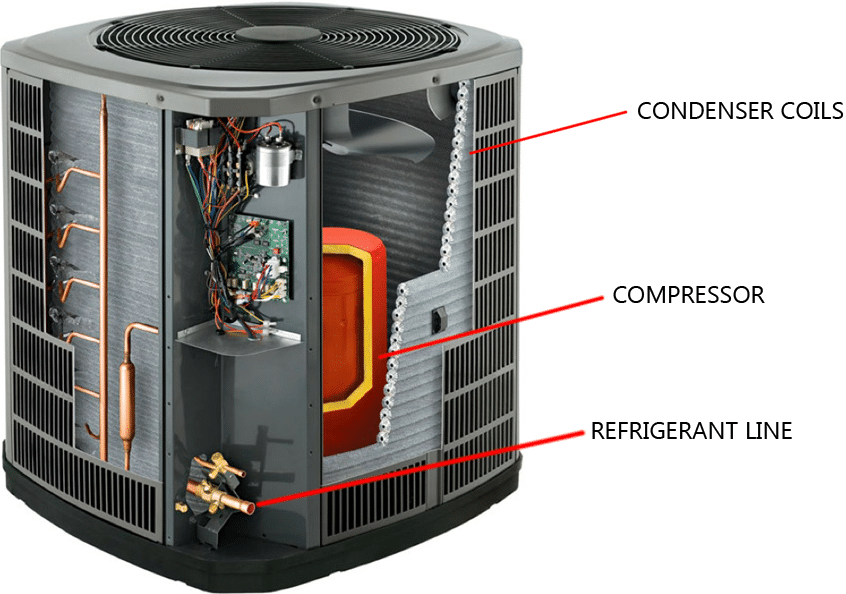
Air source heat pumps have an outdoor unit that looks similar to an air conditioner. This unit pulls in outside air across a coil filled with refrigerant. Even cold air contains some heat energy that the system can capture.
The system works year-round. In winter, it extracts heat from outdoor air to warm your home. In summer, it reverses the process to cool your home by removing indoor heat and releasing it outside.
Ground Source Heat Pump Basics
Ground source heat pumps use the steady temperature of the earth as their heat source. A few feet below the surface, ground temperatures stay relatively constant (around 50-60°F) all year.
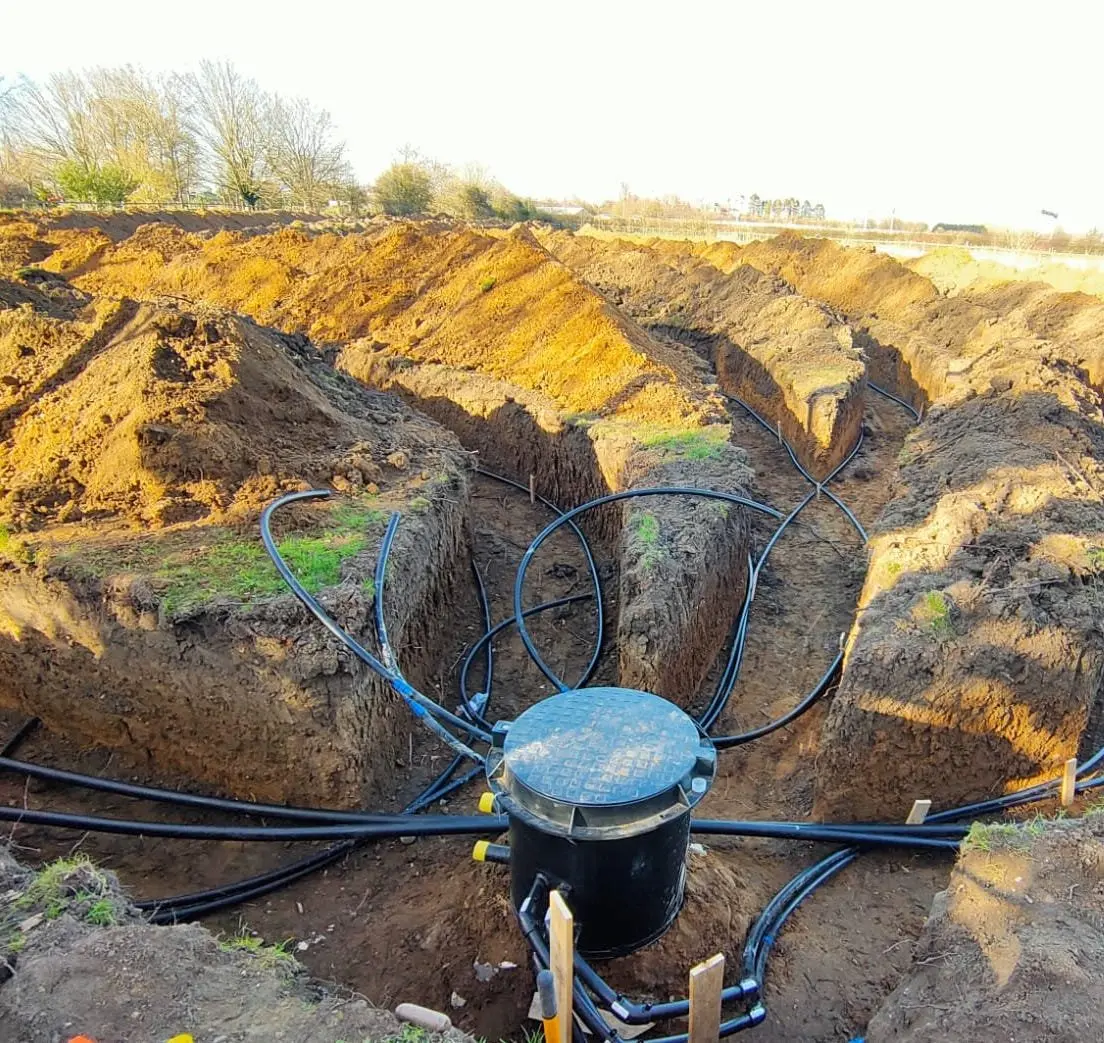
These systems use pipes buried in the ground (called a ground loop) filled with a water-antifreeze mixture. This liquid absorbs heat from the ground and carries it to the heat pump inside your home, where it’s concentrated and distributed.

Air Source Heat Pumps: Pros and Cons
Air source heat pumps have become very popular in recent years. Let’s look at their advantages and disadvantages.
Advantages of Air Source Heat Pumps
- Lower installation cost – Air source heat pumps typically cost $4,000-$8,000 to install, much less than ground source systems.
- Easier installation – They require minimal outdoor space and don’t need extensive excavation.
- Dual functionality – They provide both heating and cooling in one system.
- Good efficiency – Modern units can be 300% efficient, meaning they produce 3 units of heat for every 1 unit of electricity used.
- Shorter payback period – The lower upfront cost means you’ll recoup your investment faster.
Disadvantages of Air Source Heat Pumps
- Less efficient in extreme cold – Performance drops when outdoor temperatures fall below freezing.
- Shorter lifespan – Typically last 15-20 years, less than ground source systems.
- Outdoor noise – The outdoor unit makes some noise when running (though newer models are quieter).
- Visible outdoor unit – Requires an outdoor component that some homeowners find unattractive.
- Higher operating costs – While still efficient, they use more electricity than ground source systems in cold weather.
Ground Source Heat Pumps: Pros and Cons
Ground source heat pumps (also called geothermal heat pumps) offer different benefits and challenges compared to air source systems.
Advantages of Ground Source Heat Pumps
- Highest efficiency – Can be 400-500% efficient, providing 4-5 units of heat for every 1 unit of electricity.
- Consistent performance – Works efficiently regardless of outdoor air temperature.
- Longer lifespan – Indoor components last 20-25 years, while ground loops can last 50+ years.
- Lower operating costs – Can save 30-70% on heating and cooling costs compared to conventional systems.
- No outdoor unit – All equipment except the ground loop is inside, eliminating noise and visual concerns.
Disadvantages of Ground Source Heat Pumps
- Higher installation cost – Typically costs $10,000-$30,000, depending on your property size and loop type.
- Extensive excavation – Requires significant digging to install the ground loop system.
- Space requirements – Needs adequate land area for horizontal loops or suitable geology for vertical loops.
- Complex installation – Requires specialized contractors and more planning.
- Longer payback period – The high upfront cost means it takes longer to recoup your investment (though savings are greater long-term).
Installation and Cost Comparison
When comparing air source vs ground source heat pump systems, cost is often a major deciding factor. Let’s break down what you can expect to pay.
Air Source Heat Pump Installation
Installing an air source heat pump is relatively straightforward. The process typically takes 1-3 days and involves:
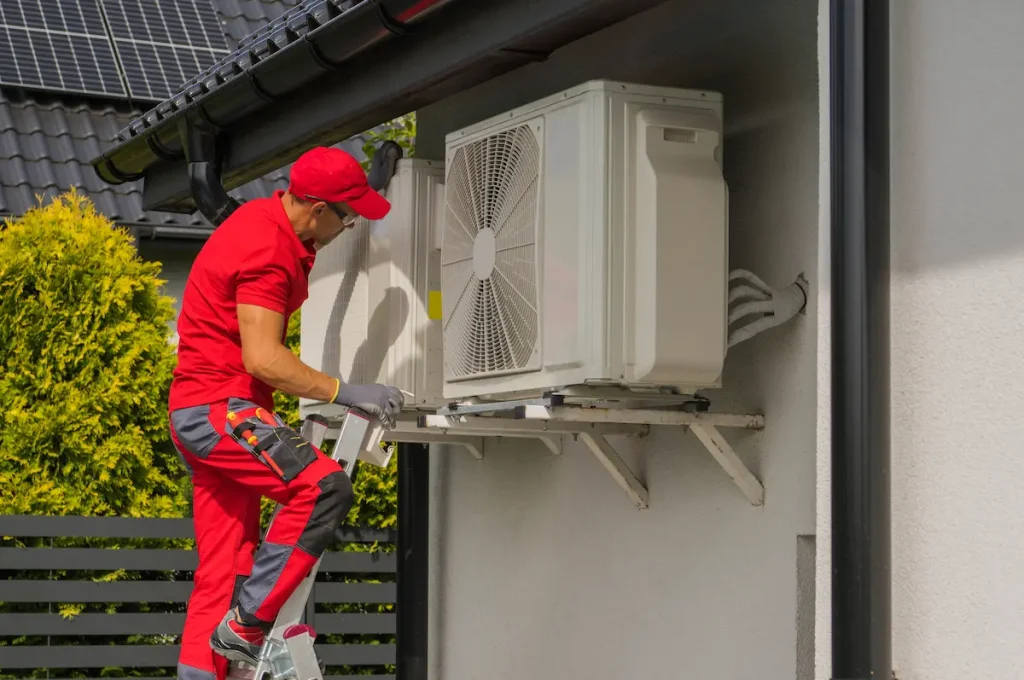
- Installing an outdoor unit on a concrete pad or wall brackets
- Connecting refrigerant lines to indoor air handlers or ductwork
- Installing electrical connections and controls
The average cost for a complete air source heat pump system in 2025 ranges from $4,000 to $8,000 for a typical home. High-efficiency models or those designed for very cold climates may cost up to $12,000.
Ground Source Heat Pump Installation
Ground source heat pump installation is more complex and involves:
- Excavating for the ground loop (either horizontal trenches or vertical boreholes)
- Installing and connecting the ground loop piping
- Installing the heat pump unit inside your home
- Connecting to your home’s distribution system (ductwork or radiant floors)
The installation process typically takes 3-7 days, depending on the loop type and site conditions.
The average cost for a complete ground source system ranges from $10,000 to $30,000. The wide range depends on:
- Your property size and geology
- Whether you choose horizontal or vertical loops
- The size of your home and its heating/cooling needs
Available Incentives
Both systems qualify for various incentives that can significantly reduce costs:
- Federal tax credits of up to 30% for both air source and ground source systems
- State and local rebates (which vary by location)
- Utility company incentives
With incentives, the cost gap between the two systems narrows considerably. Be sure to research available incentives in your area before making a decision.
Efficiency and Performance Differences
When comparing air source vs ground source heat pump efficiency, several factors come into play.
Measuring Heat Pump Efficiency
Heat pump efficiency is measured using these ratings:
- COP (Coefficient of Performance) – The ratio of heat output to electricity input. Higher is better.
- HSPF (Heating Seasonal Performance Factor) – Measures heating efficiency over an entire season.
- SEER (Seasonal Energy Efficiency Ratio) – Measures cooling efficiency.
Air Source Heat Pump Performance
Air source heat pumps typically have:
- COP of 2-4 (200-400% efficient)
- HSPF of 8-13
- SEER of 14-22
Their performance varies with outdoor temperature. When temperatures drop below freezing, efficiency decreases. In very cold climates (below 0°F), some models may need backup heating systems.
Modern cold-climate air source heat pumps have improved significantly and can now operate efficiently down to -15°F or lower, but they still use more electricity in extreme cold.
Ground Source Heat Pump Performance
Ground source heat pumps typically have:
- COP of 3-5 (300-500% efficient)
- HSPF of 10-15
- EER (Energy Efficiency Ratio) of 15-30
Their performance remains consistent year-round because ground temperatures stay relatively stable regardless of air temperature. This makes them ideal for areas with extreme temperature swings.
Energy Savings Comparison
Here’s how the annual energy costs might compare for heating a 2,000 square foot home:
- Traditional electric heating: $1,800-$2,500
- Natural gas furnace: $1,000-$1,500
- Air source heat pump: $700-$1,200
- Ground source heat pump: $500-$900
While both heat pump types save money compared to traditional heating, ground source systems typically save 30-40% more than air source systems over the long term.
Which Heat Pump Is Right for You?
Choosing between air source vs ground source heat pump systems depends on several factors specific to your situation.
Choose an Air Source Heat Pump If:
- You have a limited budget for upfront costs
- You have limited outdoor space
- You live in a moderate climate without extreme cold
- You want a simpler installation process
- You’re looking for a quicker return on investment
- You’re replacing an existing air conditioning system
Choose a Ground Source Heat Pump If:
- You plan to stay in your home for 10+ years
- You have adequate land for ground loops
- You live in an area with extreme temperatures
- You want the lowest possible operating costs
- You prefer a system with the longest lifespan
- Environmental impact is a top priority
- You’re building a new home or doing major renovations
Climate Considerations
Your local climate plays a big role in this decision:
- Mild climates (40°F-90°F typical range): Either system works well, but air source may be more cost-effective.
- Moderate climates with occasional extremes: Both systems work well, with ground source offering more consistent performance.
- Extreme climates (very cold winters or very hot summers): Ground source systems provide better performance and greater savings.
Making Your Final Decision
To make the best choice between air source vs ground source heat pump systems:
- Get quotes from qualified contractors for both system types
- Calculate potential energy savings based on your local energy costs
- Research available incentives in your area
- Consider how long you plan to stay in your home
- Think about your environmental goals
Remember that both options are significantly more efficient and environmentally friendly than conventional heating and cooling systems. Either choice represents a step toward reducing your carbon footprint and energy costs.
Frequently Asked Questions
How much money can I save with a heat pump?
Compared to electric resistance heating, you can save 50-70% with an air source heat pump and 70-80% with a ground source heat pump. Compared to a gas furnace, savings are typically 30-50% for air source and 50-65% for ground source systems.
Do heat pumps work in very cold climates?
Ground source heat pumps work efficiently in any climate. Modern cold-climate air source heat pumps can operate effectively down to -15°F, though efficiency decreases in extreme cold. In very cold regions, ground source systems generally provide better performance.
How long do heat pumps last?
Air source heat pumps typically last 15-20 years with proper maintenance. Ground source heat pump indoor components last 20-25 years, while the ground loops can last 50+ years.
Can heat pumps provide cooling too?
Yes, both air source and ground source heat pumps provide both heating and cooling. They simply reverse their operation in summer to remove heat from your home.
Are heat pumps noisy?
Air source heat pumps produce some noise from their outdoor unit, similar to an air conditioner (typically 40-60 decibels). Ground source heat pumps are much quieter since all mechanical components are inside your home.
Which heat pump is better for the environment?
Both types significantly reduce carbon emissions compared to fossil fuel systems. Ground source heat pumps have a slight edge in environmental benefits due to their higher efficiency, but both are excellent green choices.
Can I install a heat pump myself?
Heat pump installation requires specialized knowledge of electrical systems, refrigerant handling, and proper sizing. Professional installation is strongly recommended and often required to maintain warranty coverage.
Conclusion
If you’re considering an air source vs ground source heat pump for your home, we’re here to help. Our team of experts can assess your specific needs, explain your options, and provide a customized recommendation. Contact Harmon Mechanical today to schedule a free consultation and take the first step toward a more comfortable, energy-efficient home.