



Best Smart Thermostat Brands Comparison: Finding Your Perfect Match
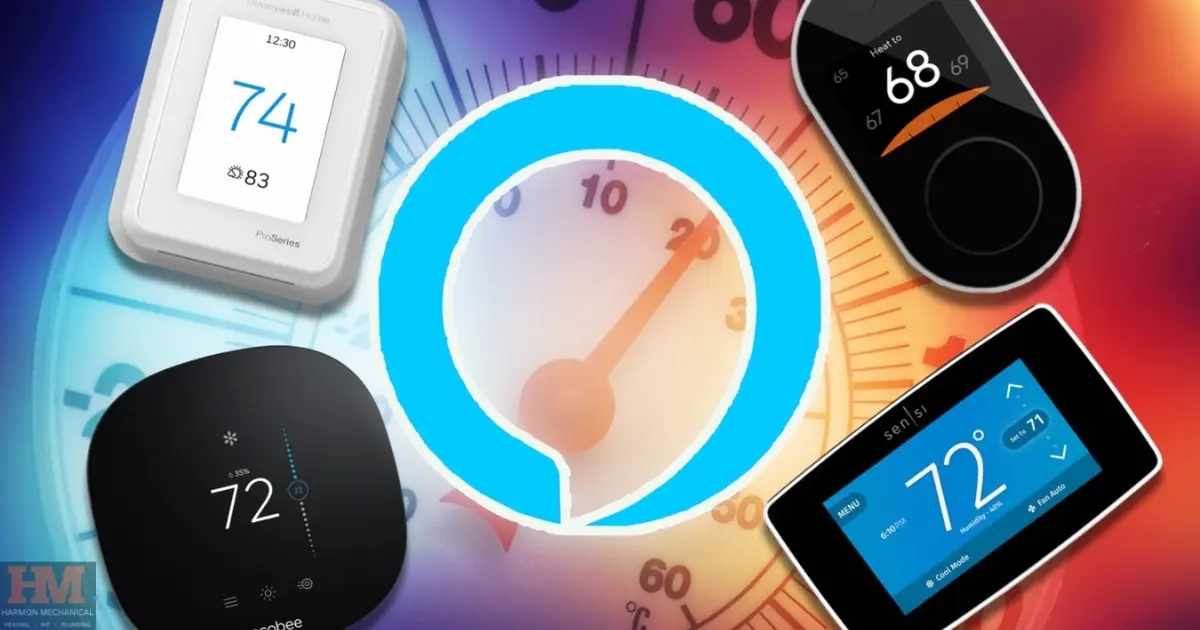
The best smart thermostat brands in 2025 include Nest, Ecobee, Honeywell, Emerson, and Amazon. Nest leads with its learning capabilities and sleek design. Ecobee stands out with room sensors and voice control. Honeywell offers reliability and user-friendly interfaces. Emerson provides great value with affordable options. Amazon’s smart thermostats integrate seamlessly with Alexa. Each brand has unique features that might make it the perfect fit for your home’s heating and cooling needs.
Smart thermostats do more than just control temperature. They learn your schedule, adjust automatically, and can be controlled from your phone. This helps save energy and money on your bills. Let’s look at the top brands and what makes each one special.
What Makes a Smart Thermostat “Smart”?
Smart thermostats aren’t just digital versions of old dial thermostats. They’re mini-computers for your home’s heating and cooling system. But what exactly makes them “smart”?
First, smart thermostats connect to your home’s Wi-Fi. This lets you control them from anywhere using your phone or computer. No more coming home to a freezing house in winter or a hot one in summer!
Second, they learn your habits. Many smart thermostats watch when you adjust the temperature. Then they start making these changes on their own. It’s like having a tiny robot that knows just how warm or cool you like your home.
Third, they work with other smart home stuff. You can tell Alexa or Google to change the temperature. Some thermostats even talk to your lights or door locks to know when you’re home.
Last, they show you how much energy you use. Most have apps that make colorful charts about your heating and cooling. This helps you save money by seeing when you use the most energy.
Top Smart Thermostat Brands in 2025
Nest (Google Nest)
Nest started the smart thermostat revolution. Now owned by Google, Nest thermostats are known for their round design and easy-to-use spin dial. The Nest Learning Thermostat is their top model. It learns your schedule in about a week and adjusts itself.
Nest thermostats work with many heating and cooling systems. They have a feature called “Farsight” that lights up to show the temperature when you walk by. The app is simple to use and gives you energy reports.
The newest Nest models work with Google Home. You can say “Hey Google, turn up the heat” without touching anything. Prices range from about $130 for the Nest Thermostat to $249 for the Nest Learning Thermostat.
Ecobee
Ecobee stands out because of its room sensors. These little devices go in different rooms to measure temperature. This helps fix the problem of some rooms being too hot or too cold.
The Ecobee Smart Thermostat Premium is their best model. It has a built-in air quality monitor and speaker with Alexa. You can ask it questions or play music right from your thermostat!
Ecobee works with many smart home systems like Apple HomeKit, Google Home, and Amazon Alexa. Their app is full of features but still easy to use. Prices range from about $150 for the basic model to $250 for the Premium.
Honeywell Home
Honeywell has been making thermostats longer than almost anyone. Their smart thermostats are known for being reliable and easy to use. The T9 model has room sensors like Ecobee.
Honeywell’s app lets you set schedules and get alerts if your home gets too hot or cold. Their thermostats work with many heating and cooling systems, even older ones.
The Honeywell Home T9 costs about $200. They also have simpler models starting around $130. All work with Amazon Alexa and Google Assistant.
Emerson
Emerson makes the Sensi line of smart thermostats. These are great for people who want smart features without spending too much money. The Sensi Touch Screen is their best model at about $169.
Emerson thermostats are easy to install yourself. Many don’t need a C-wire, which makes them work with more homes. The app is simple but has all the important features.
Sensi thermostats work with Amazon Alexa, Google Assistant, and Apple HomeKit. They don’t have as many fancy features as Nest or Ecobee, but they do the job well for less money.
Amazon Smart Thermostat
Amazon joined the smart thermostat game recently. Their thermostat is simple and very affordable at just $80. It was made with help from Honeywell, so it’s reliable.
The Amazon Smart Thermostat works perfectly with Alexa. You can control it with your voice if you have an Echo device. It can also adjust automatically when Alexa senses you’ve left home or gone to bed.
While it doesn’t have room sensors or a learning feature, it does the basics very well. For the price, it’s hard to beat if you already use other Amazon devices.
Key Features to Compare When Choosing a Smart Thermostat
Learning Capabilities
Some smart thermostats learn your schedule on their own. Nest is the best at this. After a week or so, it knows when you wake up, leave home, and go to bed. It adjusts the temperature without you doing anything.
Other brands like Ecobee and Honeywell have some learning features but might need more help from you to set schedules. Amazon’s thermostat uses Alexa Hunches to guess when you’re away or asleep.
Learning features save you from programming the thermostat yourself. This makes saving energy easier since the thermostat does the work for you.
Room Sensors and Temperature Balance
Room sensors are small devices that measure temperature in different parts of your home. They help fix the problem of some rooms being too hot while others are too cold.
Ecobee and Honeywell T9 come with room sensors. Nest sells them separately as Nest Temperature Sensors. These sensors tell your thermostat which rooms to focus on at different times of day.
For big homes or homes with temperature differences between rooms, sensors make a huge difference in comfort. They can also save energy by only heating or cooling rooms you’re using.
Smart Home Integration
All good smart thermostats work with Amazon Alexa and Google Assistant. This lets you control them with your voice. Some also work with Apple HomeKit, Samsung SmartThings, or IFTTT.
Nest works best with other Google products. Ecobee has Alexa built into some models. Amazon’s thermostat (no surprise) works perfectly with Alexa.
Think about what other smart home devices you have. Your thermostat should work with them. This lets you create routines like having the heat turn down when you lock your front door.
Energy Monitoring and Savings
Smart thermostats can save you 10-15% on heating and cooling bills. But some are better at showing you how to save than others.
Nest sends monthly energy reports and shows a leaf icon when you choose an energy-saving temperature. Ecobee has detailed energy dashboards in its app. Honeywell and Emerson show basic usage stats.
Most smart thermostats pay for themselves in energy savings within 2 years. The more features they have to help you track and reduce energy use, the faster they pay off.
Installation and Compatibility Considerations
HVAC System Compatibility
Before buying any smart thermostat, check if it works with your heating and cooling system. Most work with conventional forced air systems, but heat pumps, radiant systems, or multi-stage systems might need specific models.
Nest and Ecobee work with most systems. Honeywell has models for almost every type of system. Emerson’s Sensi and Amazon’s thermostat work with many systems but have more limitations.
All brands have compatibility checkers on their websites. You’ll need to know what kind of system you have and whether you have a C-wire (common wire).
C-Wire Requirements
The C-wire provides constant power to your smart thermostat. Many older homes don’t have one. Without it, some smart thermostats won’t work properly.
Nest can work without a C-wire in many cases using a built-in rechargeable battery. Ecobee comes with a power extender kit if you don’t have a C-wire. Some Emerson models don’t need a C-wire at all.
If you don’t have a C-wire and don’t want to install one, check carefully which thermostats will work in your home. Installing a C-wire usually requires an electrician or HVAC professional.
DIY vs. Professional Installation
Most smart thermostats are designed for DIY installation. The process usually takes 30-60 minutes if your system is compatible. All brands provide step-by-step instructions in their apps.
Ecobee and Emerson are known for being especially easy to install. Nest’s app walks you through each step with clear pictures. Amazon’s thermostat has a simple setup process.
If you’re not comfortable working with wiring, professional installation costs $100-$150. Some utility companies offer free or discounted installation with purchase.
Price Comparison and Value for Money
| Brand | Entry Model Price | Premium Model Price | Extra Features in Premium |
|---|---|---|---|
| Nest | $130 | $249 | Learning, Farsight, metal design |
| Ecobee | $150 | $250 | Air quality monitor, built-in Alexa speaker |
| Honeywell | $130 | $200 | Room sensors, better display |
| Emerson | $80 | $169 | Touch screen, better app features |
| Amazon | $80 | N/A | N/A |
Budget-Friendly Options
If you’re watching your budget, Amazon’s Smart Thermostat at $80 is the clear winner. Emerson’s basic Sensi model is also affordable at around $80-$100. These give you the main benefits of a smart thermostat without extra bells and whistles.
These budget options still let you control temperature from your phone and set schedules. They work with voice assistants and can save you money on energy bills. What they lack are learning features, room sensors, and fancier displays.
Many utility companies offer rebates of $50-$100 for installing smart thermostats. This can make even premium models more affordable. Check with your energy provider before buying.
Premium Features Worth the Extra Cost
Is it worth paying more for a Nest Learning Thermostat or Ecobee Premium? It depends on your home and how you’ll use it.
Learning features save you from programming schedules yourself. If you have an irregular schedule, this might be worth the extra cost. Room sensors help if you have temperature differences between rooms or a multi-story home.
Premium models also tend to look nicer on your wall. The Nest Learning Thermostat has a metal ring instead of plastic. The Ecobee Premium has a better speaker and air quality monitoring.
Long-Term Savings Potential
All smart thermostats can save you 10-15% on heating and cooling costs. For the average home, that’s $100-$200 per year. This means even premium models pay for themselves in 1-2 years.
Models with learning features and room sensors might save slightly more because they’re better at optimizing your system. They know when to turn the temperature down and which rooms need more heating or cooling.
The cheapest option isn’t always the best value long-term. Consider how long you’ll be in your home and how much you spend on heating and cooling when choosing.
Frequently Asked Questions About Smart Thermostats
Do smart thermostats really save money?
Yes, smart thermostats really do save money. Studies show savings of 10-15% on heating and cooling costs. For the average home, that’s $100-$200 per year. The savings come from:
– Automatically turning down heat or AC when you’re away
– Learning the most efficient times to run your system
– Giving you feedback on your energy use
– Making small temperature adjustments you might not notice
Your actual savings depend on your previous habits. If you already adjusted your thermostat manually when leaving home, you’ll save less than someone who kept their home at the same temperature all day.
Can I install a smart thermostat myself?
Most people can install a smart thermostat themselves in 30-60 minutes. You’ll need basic tools like a screwdriver. The steps are:
1. Turn off power to your HVAC system at the breaker
2. Remove your old thermostat cover
3. Take a picture of the wiring for reference
4. Label wires if they aren’t already labeled
5. Remove the old mounting plate
6. Install the new mounting plate
7. Connect wires to the new thermostat
8. Attach the new thermostat to the mounting plate
9. Turn power back on
10. Follow app instructions to complete setup
If you’re not comfortable with basic wiring or have a complex system, hiring a professional is a good idea. It typically costs $100-$150.
Will a smart thermostat work with my existing system?
Smart thermostats work with most heating and cooling systems, but not all. They generally work with:
– Conventional forced air (gas, oil, electric)
– Heat pumps
– Radiant systems
– Dual fuel systems
– Systems with separate heating and cooling
They might NOT work with:
– Line voltage systems (common in older homes)
– Proprietary systems
– Systems without a C-wire (though some thermostats have workarounds)
Before buying, use the compatibility checker on the manufacturer’s website. You’ll need to know what type of system you have and identify the wires connected to your current thermostat.
How long do smart thermostats last?
Smart thermostats typically last 5-10 years. This is shorter than old manual thermostats (which could last 20+ years) but similar to digital programmable thermostats.
The shorter lifespan is because smart thermostats contain computer components and software that eventually become outdated. Manufacturers usually provide software updates for about 5 years.
The good news is that even if the “smart” features stop working, the basic heating and cooling functions should continue to work. And since smart thermostats pay for themselves in energy savings within 1-2 years, you’ll still come out ahead financially.
Making Your Final Smart Thermostat Decision
Choosing the best smart thermostat brand comes down to your specific needs. Think about what matters most to you:
If you want the most learning features and a stylish design, Nest is your best choice. For homes with temperature differences between rooms, Ecobee with its room sensors works great. If you want reliability and a simple interface, Honeywell is perfect.
For budget-conscious shoppers who still want smart features, Emerson Sensi or Amazon’s Smart Thermostat offer excellent value. If you already use Alexa, Amazon’s thermostat integrates perfectly with your existing setup.
Remember to check compatibility with your heating and cooling system before buying. Also look for rebates from your utility company that might make premium models more affordable.
A smart thermostat is one of the best investments you can make in your home. It improves comfort, saves energy, and pays for itself quickly. The right choice will keep your home comfortable for years while reducing your energy bills.
Need help choosing or installing the perfect smart thermostat for your home? Contact Harmon Mechanical today. Our experts can help you select the right model for your system and ensure it’s installed correctly for maximum efficiency and savings. Call us to schedule a consultation and take the first step toward smarter home comfort!