


Table of Contents
Ducted vs ductless mini-split systems offer different approaches to cooling and heating your home. Ducted mini splits distribute air through hidden ductwork in your walls or ceilings, providing whole-home comfort with a clean look.
Ductless mini splits mount directly on your walls without requiring any ductwork, offering flexible zone-by-zone control. The best choice depends on your home’s layout, your comfort preferences, and your budget.
Both systems are more energy-efficient than traditional HVAC options, but they differ in installation costs, visual impact, and maintenance needs.
What Are Ducted and Ductless Mini Split Systems?
Mini-split systems are heating and cooling solutions that include two main parts: an outdoor unit and one or more indoor units. Both ducted and ductless versions work on the same basic principle, but they deliver air differently. When considering ducted vs ductless mini-split systems, be sure to keep in mind their specificities.
Ducted Mini Split Systems Explained
A ducted mini split system uses a network of ducts hidden in your ceiling, walls, or floors to distribute air. The indoor unit sits concealed in an attic, basement, or closet. Cool or warm air travels through these ducts to reach different rooms in your home.
Think of ducted systems like underground tunnels that carry air to different parts of your house. You don’t see the tunnels, just the air coming out of vents in your rooms. This gives your home a clean look without visible equipment on your walls.
Ducted mini splits work well in homes that already have ductwork or in new construction where ducts can be easily installed. They’re perfect if you want whole-home comfort without seeing any equipment.
Ductless Mini Split Systems Explained
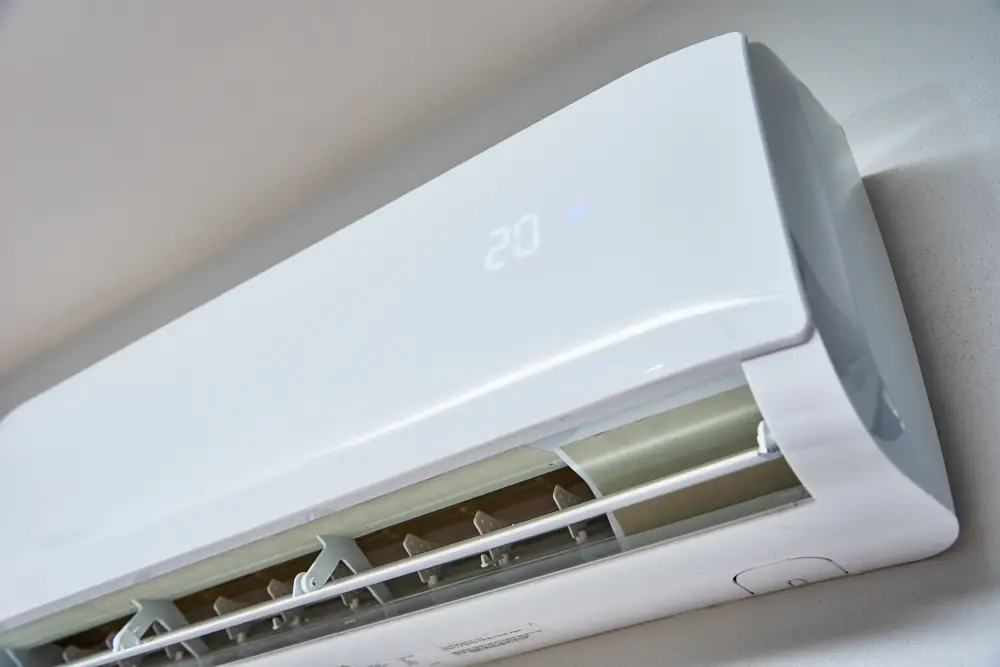
Ductless mini splits (also called wall-mounted mini splits) don’t need any ducts at all. Instead, they have indoor units that mount directly on your walls or ceilings. These units connect to the outdoor unit through a small hole in your wall for refrigerant lines.
Each indoor unit works independently to cool or heat the room where it’s installed. This gives you zone control, meaning you can set different temperatures in different rooms.
Imagine having a small, quiet air conditioner in each room that you care about. You can turn on only the ones you need, when you need them. This makes ductless systems very flexible and energy-efficient.
Ductless systems are perfect for homes without existing ductwork, additions to homes, or when you want to control temperatures in specific areas independently.
Key Differences Between Ducted and Ductless Mini Splits
When choosing between ducted vs ductless mini-split systems, understanding their key differences will help you make the right decision for your home.
Appearance and Visual Impact
Ducted mini splits offer a cleaner look in your living spaces. Since the equipment and ductwork hide behind walls and ceilings, all you see are small vents or grilles. This creates a more seamless appearance that many homeowners prefer.
Ductless mini splits have visible indoor units mounted on your walls or ceilings. These units are typically white and rectangular, measuring about 3 feet wide and 1 foot tall. While manufacturers design them to look sleek, they’re still visible in your room. Some people don’t mind this look, while others prefer the hidden approach of ducted systems.
Installation Requirements
Ducted systems need space for ductwork and the air handler unit. This usually means having an attic, crawl space, or drop ceiling. Installation involves running ducts throughout these spaces, which can be invasive if your home doesn’t already have ductwork.
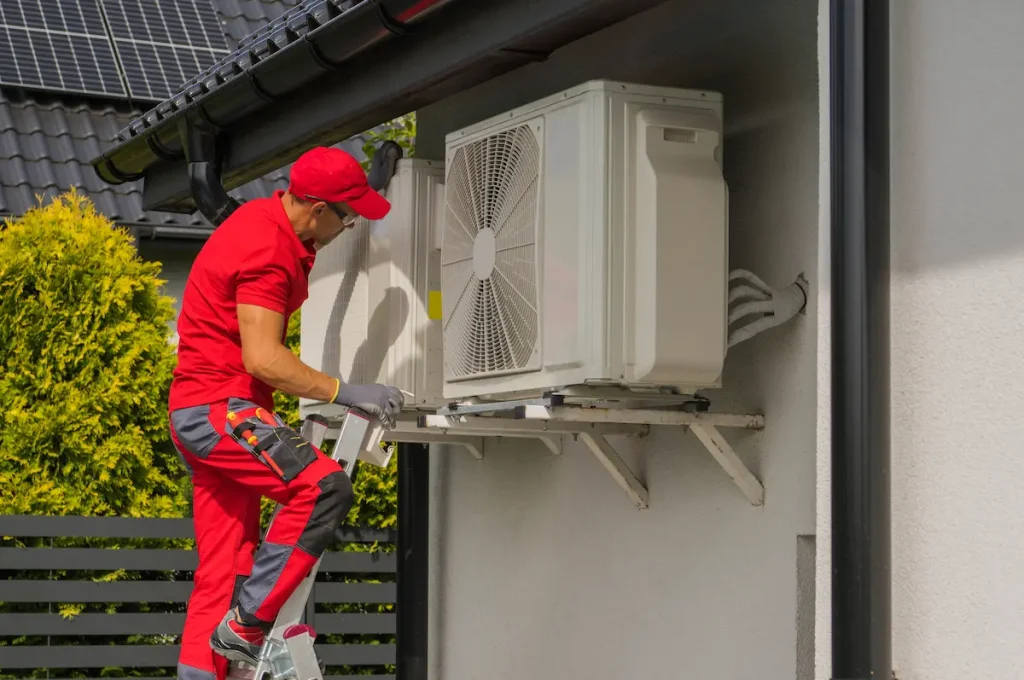
Ductless systems need only a small hole (about 3 inches) in your exterior wall to connect the indoor and outdoor units. This makes installation much less invasive and typically faster. You don’t need any special spaces in your home to accommodate equipment.
Zone Control and Flexibility
Ducted mini splits typically control larger zones or your entire home as one zone. While some advanced systems offer dampers for zone control, they’re not as flexible as ductless options.
Ductless mini splits excel at zone control. Each indoor unit operates independently, allowing you to set different temperatures in different rooms. You can turn off units in unused rooms to save energy. This makes ductless systems extremely flexible for homes where different family members prefer different temperatures.
Cost Comparison: Installation and Operation
The cost difference between ducted vs ductless mini split systems can be significant, affecting both your upfront investment and long-term expenses.
Initial Installation Costs
Ducted mini split systems typically cost more to install, especially if your home doesn’t already have ductwork. On average, expect to pay between $8,000 and $15,000 for a whole-home ducted mini split system. This higher cost comes from:
- Labor for installing or modifying ductwork
- Materials for ducts and vents
- More complex installation process
- Potential need for ceiling or wall modifications
Ductless mini split systems usually cost less upfront, with prices ranging from $3,000 to $7,000 for a single zone. A multi-zone system for 3-4 rooms might cost $7,000 to $14,000. The installation is simpler because:
- No ductwork is needed
- Installation requires minimal home modification
- The process is faster, reducing labor costs
Energy Efficiency and Operating Costs
One thing to know about the ducted vs ductless mini split debate is that both systems are more energy-efficient than traditional HVAC systems, but they differ in how they use energy.
Ducted mini splits lose some efficiency through duct losses. Even well-sealed ducts can lose 10-30% of energy through air leaks or heat transfer. However, they’re still more efficient than traditional central air systems.
Ductless mini splits are typically more energy-efficient because:
- They eliminate duct losses completely
- You can heat or cool only the rooms you’re using
- Each zone operates independently
This zone-by-zone control can save you 20-30% on energy costs compared to ducted systems. For a typical home, this might mean saving $200-$400 per year on utility bills.

Long-term Maintenance Expenses
Maintenance costs also differ between the two systems:
Ducted mini splits require:
- Regular duct cleaning (every 3-5 years, $300-$500)
- Filter changes (every 1-3 months)
- Annual professional maintenance ($150-$250)
- Potential duct repairs over time
Ductless mini splits need:
- Regular filter cleaning (monthly, DIY)
- Annual professional maintenance ($150-$250)
- Occasional indoor unit cleaning
Over a 10-year period, you might spend $3,000-$5,000 maintaining a ducted system versus $2,000-$3,000 for a ductless system. Cost is a major factor to consider when choosing between ducted vs ductless mini split systems.
Pros and Cons of Each System
When comparing ducted vs ductless mini split systems, weighing the advantages and disadvantages of each will help you make an informed decision.
Ducted Mini Split Advantages
- Aesthetic Appeal: The main components remain hidden, with only vents visible in your rooms. This creates a cleaner look that many homeowners prefer.
- Whole-Home Coverage: A single system can heat and cool your entire home through existing ductwork, providing consistent comfort throughout.
- Property Value: Ducted systems often add more value to your home than ductless options, as many buyers prefer the hidden equipment.
- Filtration Options: Ducted systems can incorporate whole-home air purification systems more easily, improving your indoor air quality.
Ducted Mini Split Disadvantages
- Higher Installation Cost: Installing or modifying ductwork significantly increases upfront costs.
- Energy Losses: Even well-sealed ducts lose some energy through air leaks and heat transfer.
- Space Requirements: You need adequate space for ductwork and air handlers, which isn’t available in all homes.
- Less Zoning Flexibility: While zone control is possible, it’s not as precise as with ductless systems.
Ductless Mini Split Advantages
- Easy Installation: Installation is faster and less invasive, requiring only a small hole in your wall.
- Superior Zone Control: Each indoor unit operates independently, allowing different temperatures in different rooms.
- Maximum Energy Efficiency: No duct losses and the ability to heat or cool only occupied rooms save energy.
- Flexibility for Additions: Perfect for home additions, finished basements, or garages where adding ductwork would be difficult.
Ductless Mini Split Disadvantages
- Visual Impact: The indoor units are visible on your walls, which some homeowners find unappealing.
- Multiple Units Needed: For whole-home comfort, you’ll need multiple indoor units, which can increase costs.
- Regular Cleaning: The indoor units require regular cleaning to maintain efficiency and prevent mold growth.
- Limited Heating in Extreme Cold: Some ductless heat pumps lose efficiency in extremely cold climates, though newer models have improved significantly.
Which System Is Right for Your Home?
Choosing between ducted vs ductless mini split systems depends on several factors specific to your home and needs.
Consider Your Home’s Structure
Ducted mini splits work best in homes that:
- Already have existing ductwork
- Have adequate space in attics, basements, or drop ceilings
- New construction where ducts can be easily installed
- Have open floor plans where one or two zones can cover large areas
Ductless mini splits are ideal for:
- Older homes without existing ductwork
- Homes where installing ducts would be difficult or expensive
- Additions to existing homes
- Multi-family buildings where individual control is important
- Homes with rooms that are rarely used
Evaluate Your Comfort Preferences
Think about how you use your home and what matters most to you:
Choose ducted if:
- You prefer a consistent temperature throughout your home
- Aesthetics are very important to you
- You want whole-home air filtration
- You don’t need to control individual room temperatures
Choose ductless if:
- Different family members prefer different temperatures
- You want to save energy by not heating/cooling unused rooms
- You want the most energy-efficient option
- You need a quick installation with minimal disruption
Budget Considerations
Your budget plays a major role in the ducted vs ductless mini split decision:
Short-term budget focus: If your upfront costs are limited, ductless systems typically require less initial investment, especially in homes without existing ductwork.
Long-term budget focus: If you’re planning to stay in your home for many years, the higher energy efficiency of ductless systems might save you more money over time, despite potentially higher upfront costs for multiple units.
Home value consideration: If you’re planning to sell soon, ducted systems might add more value to your home, helping you recoup your investment.
Installation and Maintenance Considerations
Understanding the installation process and maintenance requirements for ducted vs ductless mini split systems will help you prepare for ownership.

Installation Process Overview
Ducted Mini Split Installation:
- System sizing and design (1-2 days)
- Ductwork installation or modification (2-5 days)
- Indoor air handler installation (1 day)
- Outdoor unit placement and connection (1 day)
- System testing and calibration (1 day)
Total installation time typically ranges from 5-10 days, depending on the complexity of your home and whether existing ductwork can be used.
Ductless Mini Split Installation:
- System sizing and planning (1 day)
- Indoor unit mounting (1-2 hours per unit)
- Drilling small holes for refrigerant lines (30 minutes per unit)
- Outdoor unit placement (2-3 hours)
- Connecting refrigerant lines and testing (2-4 hours)
A typical ductless installation takes 1-2 days for a multi-zone system, with minimal disruption to your home.
Ongoing Maintenance Requirements
Both systems need regular maintenance, but the tasks differ:
Ducted Mini Split Maintenance:
- Monthly: Change or clean air filters
- Annually: Professional inspection of the air handler, ductwork, and outdoor unit
- Every 3-5 years: Professional duct cleaning
- As needed: Duct sealing to prevent air leaks
Ductless Mini Split Maintenance:
- Monthly: Clean the washable filters in each indoor unit
- Quarterly: Wipe down indoor units and check for proper drainage
- Annually: Professional inspection of all indoor units, refrigerant lines, and the outdoor unit
- As needed: Deep cleaning of indoor coils (every 1-2 years)
Lifespan and Warranty Considerations
Both ducted and ductless mini split systems typically last 15-20 years with proper maintenance. However, there are some differences to consider:
Ducted System Lifespan Factors:
- Ductwork may need repairs or replacement after 20-25 years
- More components mean more potential failure points
- Dust accumulation in ducts can affect system efficiency over time
Ductless System Lifespan Factors:
- Fewer mechanical components often mean fewer repairs
- Individual indoor units can be replaced without changing the entire system
- Regular cleaning of indoor units is essential to prevent mold and maintain efficiency
Warranty Considerations: Most manufacturers offer similar warranties for both systems, typically:
- 5-10 years on parts
- 7-12 years on compressors
- 1-2 years on labor (through the installer)
Extended warranties are often available and may be worth considering, especially for ducted systems with more components.
H2: Frequently Asked Questions About Ducted vs Ductless Mini Splits
Are ductless mini splits more energy-efficient than ducted systems?
Yes. Ductless mini splits eliminate energy loss through ductwork, making them 20–30% more efficient than ducted systems, especially in homes without existing ducts.
Do ductless mini-splits work in cold climates?
Modern ductless heat pumps have improved significantly and can perform well even in cold weather, although some older or lower-end models may struggle during extreme lows.
Can I install both ducted and ductless mini splits in the same home?
Absolutely. Many homeowners use a hybrid approach—installing ducted units in large open areas and ductless units in rooms that need independent control, like additions or basements.
Which system adds more resale value to my home?
Ducted systems often add more resale value due to their hidden design and whole-home comfort, which appeals to buyers. However, ductless systems can also add value with their efficiency and zoning flexibility.
Which system is easier to maintain—ducted or ductless?
Ductless systems are typically easier to maintain. They don’t require duct cleaning and have fewer components, though each indoor unit does need regular filter cleaning.
Making Your Final Decision: Ducted vs Ductless Mini Split
When deciding between ducted vs ductless mini split systems, consider your specific situation and priorities. Both systems offer excellent comfort and efficiency compared to traditional HVAC options.
For existing homes without ductwork, ductless mini splits usually make more sense due to easier installation and lower upfront costs. They’re also ideal if you want precise temperature control in different rooms.
For new construction or homes with existing ductwork, ducted mini splits offer a cleaner aesthetic and whole-home comfort. They’re perfect if you prefer a consistent temperature throughout your home and don’t want to see equipment on your walls.
Remember that you can also choose a hybrid approach, using ducted mini splits in open areas and ductless units in additions or rooms that need independent control. This gives you the best of both worlds.
Whichever system you choose, professional installation is crucial for optimal performance and efficiency. A qualified HVAC contractor can help you determine the right size and configuration for your specific needs.
Ready to upgrade your home’s comfort with an efficient mini split system? Contact our team of HVAC professionals today to schedule a consultation. We’ll help you evaluate your options, provide a detailed quote, and ensure proper installation for years of reliable comfort. Don’t wait—take the first step toward a more comfortable and energy-efficient home today! Reach out to Harmon Mechanical today!