


Updating a gas furnace to a heat pump is becoming an increasingly popular choice for homeowners. Replacing your gas furnace with this type of HVAC system will improve your home’s energy efficiency and reduce your carbon footprint. As we move towards a more sustainable future, many are considering this switch to both save money and help the environment.
But what exactly does this process entail, and is it the right choice for you? When I first heard about heat pumps, I was skeptical. Like many, I thought they couldn’t possibly be as effective as my trusty gas furnace, especially during those chilly winter months. After researching and talking to homeowners who’ve made the switch, I’ve come to realize that heat pumps are not only a viable alternative but often a superior one.
Let’s start with the basics. A heat pump is an all-in-one heating and cooling system that transfers heat from one place to another. During the winter, it pulls heat from the outside air, yes even when it’s cold, and brings it inside. In summer, it reverses the process, acting like an air conditioner. This versatility is one of the key advantages over traditional gas furnaces, which only provide heat. Therefore, updating a gas furnace to a heat pump is a great choice for many homeowners.
But the benefits don’t stop there. Heat pumps are incredibly efficient. According to The Switch Is On, heat pumps can be up to 4 times more efficient than gas furnaces. This efficiency translates directly into lower energy bills and reduced carbon emissions. In fact, a study by the University of California found that switching to a heat pump can lower your carbon emissions by up to 53%.
Now, you might be wondering about the pump cost. It’s true that the upfront investment for a heat pump can be higher than replacing your old gas furnace with a new one. However, long-term savings often make up for this initial expense. Architectural Digest reports that the average cost of a heat pump is between $4,200 and $7,600. While this might seem steep, it’s important to consider the potential savings on your energy bills over time.
Plus, there are numerous incentives available to help offset the cost. For example, if you live in San Mateo County, Peninsula Clean Energy offers a $3,500 rebate and a 0% interest loan for up to $10,000 when you switch from a gas furnace to a heat pump. On top of that, the Bay Area Regional Energy Network (BayREN) offers up to $1,000 cashback. These incentives can significantly reduce the initial investment, making the switch more accessible for many homeowners.
But what about performance? Can a heat pump really keep up with a gas furnace when temperatures drop? The answer is a resounding yes, especially with modern heat pump technology. Today’s heat pumps are designed to operate efficiently even in sub-freezing temperatures. They use advanced compressor technology and refrigerants that allow them to extract heat from the air, even on very cold days.
One of the most significant advantages of heat pumps is their ability to provide both heating and cooling. This dual functionality means you don’t need separate systems for winter and summer, saving space and potentially reducing maintenance costs. It’s like having your cake and eating it too – or in this case, staying comfortable year-round with a single system.
Environmental Impact and Energy Sources
When we talk about updating a gas furnace to a heat pump, we can’t ignore the environmental implications. Gas furnaces use fuel heat directly in your home, releasing carbon dioxide and other pollutants into the atmosphere. Heat pumps, on the other hand, run on electricity, which can come from cleaner sources.
If you’re lucky enough to live in an area with access to renewable energy, the environmental benefits are even more pronounced. For instance, Peninsula Clean Energy in San Mateo County offers a 100% renewable energy option. By combining a heat pump with clean electricity, you can heat and cool your home without relying on fossil fuels at all. It’s a powerful way to reduce your personal carbon footprint and contribute to a more sustainable future. But even if your electricity comes from a mix of sources, including some fossil fuels, a heat pump unit is still likely to be more environmentally friendly than a gas furnace. This is because power plants are generally more efficient at converting fuel to energy than individual home furnaces. Plus, as our grid continues to incorporate more renewable energy sources, the environmental benefits of electric heat pumps will only increase over time.
Comfort and Air Quality
One aspect of updating a gas furnace to a heat pump that often gets overlooked is the improvement in indoor air quality. Gas furnaces, no matter how well-maintained, can potentially release small amounts of carbon monoxide and other combustion byproducts into your home. Heat pumps, since they don’t burn fuel, eliminate this risk entirely.
Moreover, heat pumps provide more consistent forced-air heating throughout your home. They typically run for longer periods at lower intensities, which helps maintain a steady temperature and avoids the hot and cold spots that can occur with traditional furnaces. This steady operation also helps with humidity control, which can make your home feel more comfortable, especially during those in-between seasons when it’s not quite cold enough for heating but not warm enough to go without.
Installation and Maintenance
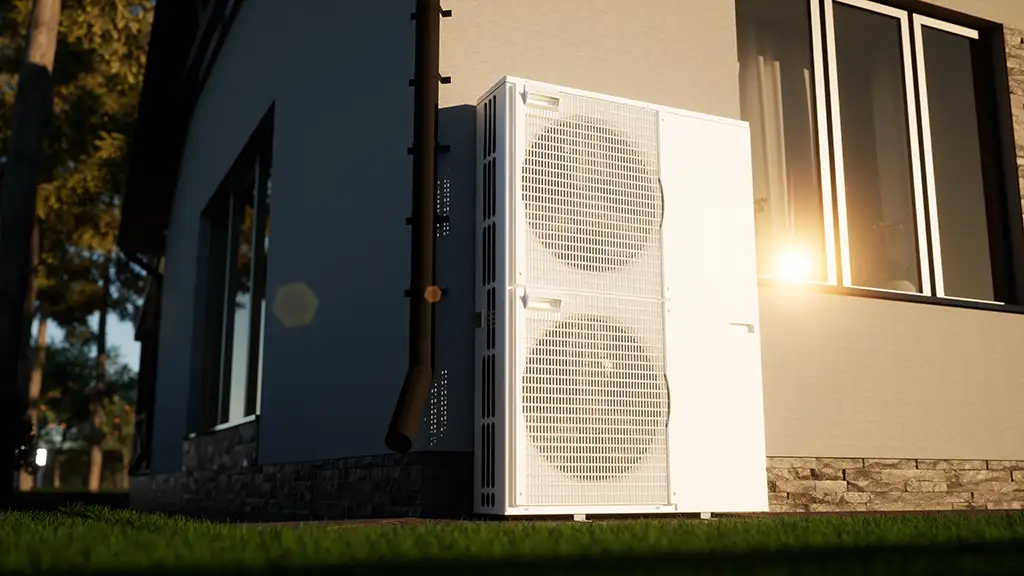
When installing a heat pump, it’s crucial to work with a qualified professional. The heat pump installation process typically involves removing your old gas furnace, installing the heat pump’s indoor and outdoor units, and potentially upgrading your electrical panel to handle the increased load. While this might sound daunting, many homeowners find that the process is smoother than they expected.
One of the benefits of heat pumps is that they often require less maintenance than gas furnaces. There’s no combustion involved, which means fewer parts that can wear out or need regular cleaning. However, that doesn’t mean you can neglect your heat pump entirely. Regular maintenance is still important to ensure optimal performance and longevity.
The U.S. Department of Energy emphasizes this point, noting that the difference in energy use between a well-maintained heat pump and a severely neglected one ranges from 10 to 25 percent. This underscores the importance of regular check-ups and filter changes to keep your system running efficiently.
Financial Considerations
While we’ve touched on the upfront costs and potential energy savings of updating a gas furnace to a heat pump, it’s worth diving a bit deeper into the financial aspects. The initial investment can be significant, but there are several factors that can make it more manageable:
- Rebates and Incentives: As mentioned earlier, many local and state governments offer rebates for switching to heat pumps. For example, the city of Redwood City offers a $500 rebate for switching to a heat pump and an additional $500 if you need to upgrade your electrical panel.
- Federal Tax Credits: The recent Inflation Reduction Act includes provisions for heat pump installations, potentially offering significant tax credits.
- Financing Options: Many installers offer financing plans, and some utilities or local governments provide low-interest loans for energy-efficient upgrades.
- Energy Savings: While harder to quantify upfront, the long-term energy savings can be substantial, especially if you’re replacing an older, inefficient gas furnace.
It’s also worth considering the potential increase in your home’s value. As energy efficiency becomes increasingly important to homebuyers, having a modern, efficient heating and cooling system can be a significant selling point.
Making the Decision
Deciding whether updating a gas furnace to a heat pump is right for you depends on several factors. Here’s a quick rundown of situations where a heat pump might be particularly beneficial:
- Your current furnace is old and inefficient.
- You’re looking to add air conditioning to your home.
- You live in an area with moderate winters.
- You have access to clean electricity options.
- You’re committed to reducing your carbon footprint.
On the other hand, if you live in an area with extremely cold winters or very low electricity rates compared to gas prices, the decision might be less clear-cut. It’s always a good idea to consult with a qualified HVAC professional who can assess your specific situation and provide personalized recommendations.
Looking to the Future
As we look ahead, it’s clear that heat pumps are poised to play an increasingly important role in home heating and cooling. Advancements in technology are making heat pumps more efficient and effective, even in colder climates. Additionally, as our electrical grid continues to incorporate more renewable energy sources, the environmental benefits of heat pumps will only increase. For those interested in learning more about heat pumps and other sustainable home improvements, there are numerous resources available. The San Mateo County Office of Sustainability recommends The Switch Is On, a comprehensive resource for finding rebates, incentives, and information about electrification.
Updating a Gas Furnace to a Heat Pump With Expert Help
Updating a gas furnace to a heat pump is more than just a home improvement project – it’s a step towards a more sustainable and comfortable future. While the process may seem daunting at first, the potential benefits in terms of energy savings, improved comfort, and reduced environmental impact make it a compelling option for many homeowners.
As with any major home upgrade, it’s important to do your research, consult with professionals, and consider your specific needs and circumstances. But for many of us, making the switch to a heat pump represents an exciting opportunity to embrace modern, efficient technology while doing our part for the environment. Whether you’re motivated by potential cost savings, environmental concerns, or simply the desire for a more comfortable home, updating a gas furnace to a heat pump is an option worth serious consideration. As we collectively move towards a more sustainable future, heat pumps are likely to play an increasingly important role in how we heat and cool our homes.
Getting in touch with professionals from Harmon Mechanical is an excellent choice for homeowners in Auburn when it comes to updating their furnaces to heat pumps. Contact us today for more information or to schedule a free consultation.