



Understanding Heat Pump Refrigerant Types
Heat pump refrigerants are special fluids that help move heat from one place to another in your heating and cooling system. There are several types of heat pump refrigerants used today, including R-410A, R-32, R-290, and R-454B. Each type has different properties that affect how well your heat pump works, how much it costs to run, and how it impacts our planet. The best refrigerant for your heat pump depends on your specific needs, local climate, and environmental concerns.
The Importance of Heat Pumps
Heat pumps are becoming more popular because they can both heat and cool your home using less energy than traditional systems. The refrigerant inside your heat pump is super important – it’s like the blood in your body that carries heat around. Without the right refrigerant, your heat pump won’t work properly.
In recent years, there have been big changes in the types of refrigerants used in heat pumps. This is because some older refrigerants were found to harm our environment. Now, newer, more eco-friendly options are taking their place.
Let’s explore the different types of heat pump refrigerants, how they work, and which one might be best for your home.
How Refrigerants Work in Heat Pumps
Refrigerants do a really cool job in your heat pump. They change from a liquid to a gas and back again, over and over. This changing helps move heat from one place to another.
When a refrigerant changes from a liquid to a gas, it absorbs heat. When it changes back from a gas to a liquid, it releases heat. Your heat pump uses this process to either warm up your home in winter or cool it down in summer.
Here’s a simple way to think about it: In winter, the refrigerant absorbs heat from the outside air (yes, even cold air has some heat in it!). Then, the heat pump brings this heat inside your home. In summer, it does the opposite – it takes heat from inside your home and moves it outside.
The type of refrigerant in your heat pump affects how well this process works. Some refrigerants can absorb and release more heat than others. Some work better in very cold weather. And some are better for our environment.
Common Heat Pump Refrigerant Types
Let’s look at the most common types of refrigerants used in heat pumps today:
R-410A (Puron)
R-410A, also called Puron, is very common in newer heat pumps. It replaced an older refrigerant called R-22 (Freon) because R-22 was harmful to the ozone layer.
R-410A doesn’t damage the ozone layer, which is good news! It also helps heat pumps run more efficiently, which can save you money on energy bills. However, it does have a high global warming potential (GWP), which means it can contribute to climate change if it leaks into the air.
Many heat pumps made in the last 10-15 years use R-410A. If your heat pump was installed after 2010, it probably uses this refrigerant.
R-32
R-32 is a newer refrigerant that’s becoming more popular. It has only about one-third the global warming potential of R-410A, which makes it better for the environment.
R-32 is also very efficient, which means heat pumps using it can use less electricity. This can help lower your energy bills. It’s especially good at heating homes in colder weather.
One thing to know about R-32 is that it’s mildly flammable. This doesn’t mean it’s dangerous in your heat pump, but technicians need special training to work with it safely.
R-290 (Propane)
R-290, which is basically propane, is becoming more common in smaller heat pumps and air conditioners. It has a very low global warming potential – almost zero!
This refrigerant is very efficient and works well in many climates. However, because it’s flammable, it’s mostly used in systems with smaller amounts of refrigerant, like portable air conditioners or small heat pumps.
R-454B
R-454B is one of the newest refrigerants on the market. It was designed to replace R-410A while having a much lower global warming potential – about 78% lower!
This refrigerant works well in heat pumps and is becoming more common in new systems. It offers good efficiency and performance similar to R-410A but is much better for the environment.
R-22 (Freon) – Being Phased Out
R-22, also known as Freon, was very common in older heat pumps and air conditioners. However, it harms the ozone layer, so it’s being phased out worldwide.
If you have an older heat pump that uses R-22, you should know that this refrigerant is no longer produced in the United States. This means if your system needs more refrigerant, it can be very expensive or even impossible to find.
Many homeowners with R-22 systems are choosing to upgrade to newer heat pumps with better refrigerants.
Environmental Impact of Heat Pump Refrigerants
The refrigerant in your heat pump can affect our planet in two main ways:
Ozone Depletion Potential (ODP)
Some refrigerants can damage the ozone layer, which protects us from harmful sun rays. This damage is measured by Ozone Depletion Potential (ODP).
Good news! Most modern refrigerants like R-410A, R-32, and R-454B have zero ODP. This means they don’t harm the ozone layer at all. Older refrigerants like R-22 do have a high ODP, which is why they’re being phased out.
Global Warming Potential (GWP)
Global Warming Potential (GWP) measures how much a refrigerant contributes to climate change if it leaks into the air. The higher the GWP number, the worse it is for global warming.
Here’s how common refrigerants compare:
- R-22 (Freon): GWP of 1,810
- R-410A (Puron): GWP of 2,088
- R-32: GWP of 675
- R-454B: GWP of 466
- R-290 (Propane): GWP of 3
As you can see, newer refrigerants like R-32, R-454B, and especially R-290 have much lower GWP values. This is why the heating and cooling industry is moving toward these more environmentally friendly options.
It’s worth noting that refrigerants only harm the environment if they leak out of your system. A properly maintained heat pump should keep its refrigerant sealed inside.
Choosing the Right Refrigerant for Your Heat Pump
When it’s time to buy a new heat pump or replace an old one, the type of refrigerant is an important factor to consider. Here’s what to think about:
Climate Considerations
Some refrigerants work better in certain climates. For example, R-32 performs very well in cold weather, making it a good choice for northern areas. R-410A works well in most climates but may lose some efficiency in very cold temperatures.
If you live somewhere with extreme temperatures, talk to a professional about which refrigerant will give you the best performance.
Efficiency and Cost
More efficient refrigerants can help your heat pump use less electricity, saving you money on energy bills. Newer refrigerants like R-32 and R-454B are generally more efficient than older ones.
However, heat pumps with newer refrigerants might cost more upfront. You’ll need to balance the initial cost against the long-term energy savings.
Future Regulations
Environmental regulations are constantly changing. Refrigerants with high global warming potential, like R-410A, may be phased out in the future, just like R-22 was.
Choosing a heat pump with a lower-GWP refrigerant like R-32 or R-454B might be a smart move for the future. This way, your system won’t become obsolete due to refrigerant regulations.
Professional Installation and Maintenance
No matter which refrigerant your heat pump uses, proper installation and regular maintenance are crucial. A well-installed and maintained system will:
- Run more efficiently
- Last longer
- Be less likely to leak refrigerant
- Provide better heating and cooling
Always hire a qualified HVAC professional for installation and annual maintenance of your heat pump.
The Future of Heat Pump Refrigerants
The world of heat pump refrigerants is always changing as we learn more about their environmental impact and develop better options. Here’s what to expect in the coming years:
Lower GWP Options
The trend is clearly moving toward refrigerants with lower global warming potential. Manufacturers are developing new blends and options that perform well while minimizing environmental impact.
In the next few years, we’ll likely see R-410A systems gradually replaced by options like R-32 and R-454B. Even lower-GWP alternatives are also being researched.
Natural Refrigerants
Natural refrigerants like R-290 (propane) and CO2 are gaining popularity in some applications. These have extremely low GWP values and can be very efficient.
While safety concerns about flammability have limited their use in home heat pumps so far, improved safety designs may make these more common in the future.
Retrofit Options
If you have an older heat pump with R-22 or even R-410A, you might wonder if you can switch to a newer refrigerant without replacing the whole system.
Unfortunately, heat pumps are designed for specific refrigerants, and mixing them can damage your system or make it run poorly. In most cases, when it’s time to change refrigerants, it’s also time to upgrade to a new heat pump.
FAQ About Heat Pump Refrigerants
How do I know what type of refrigerant my heat pump uses?
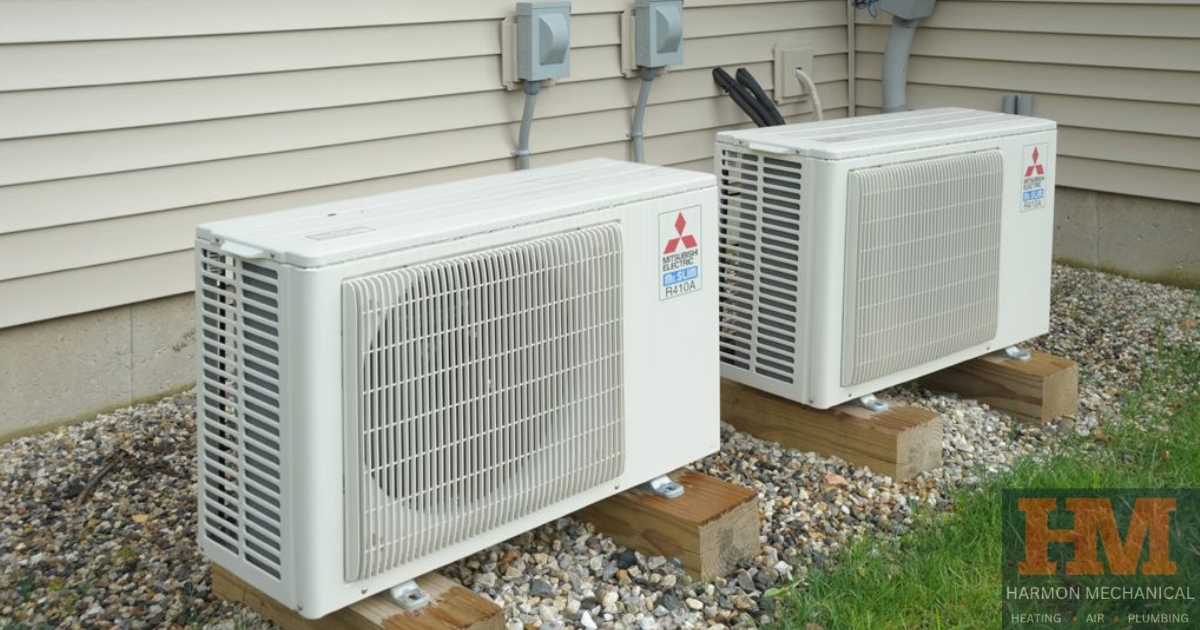
You can find this information on the nameplate or specification label on your outdoor unit. It’s usually marked clearly. You can also check your owner’s manual or ask the company that installed your system.
Is it dangerous to have refrigerant in my home?
No, refrigerants in properly installed and maintained heat pumps are safely contained within sealed systems. They only become a concern if there’s a significant leak, which is rare in well-maintained systems.
How often does refrigerant need to be replaced?
Unlike car oil, refrigerant in a heat pump doesn’t need regular replacement. It circulates in a closed loop and should last the lifetime of the system. If your heat pump needs more refrigerant, it means there’s a leak that should be fixed.
Can I switch from R-22 to a newer refrigerant?
Generally, no. Heat pumps are designed for specific refrigerants, and switching usually requires replacing major components or the entire system. If your R-22 system needs repair, it’s often more cost-effective to upgrade to a new, more efficient system.
Are refrigerant leaks common?
No, refrigerant leaks aren’t common in well-maintained systems. However, they can happen due to corrosion, physical damage, or wear and tear over time. Regular maintenance helps catch potential leak points before they become problems.
How environmentally friendly are modern heat pump refrigerants?
Modern refrigerants like R-32 and R-454B are much better for the environment than older options. They don’t harm the ozone layer and have lower global warming potential. The industry continues to develop even more eco-friendly options.
What happens if my heat pump runs low on refrigerant?
A heat pump low on refrigerant won’t cool or heat properly. You might notice:
- Longer running times
- Higher energy bills
- Poor temperature control
- Ice forming on the outdoor unit
If you suspect a refrigerant issue, call a professional right away. Low refrigerant means there’s a leak that needs repair.
Making the Right Choice for Your Home
Understanding heat pump refrigerant types helps you make better decisions about your home comfort system. Whether you’re repairing an existing heat pump or shopping for a new one, the refrigerant type matters for performance, cost, and environmental impact.
For most homeowners today, heat pumps using newer refrigerants like R-32 or R-454B offer the best balance of efficiency, performance, and environmental responsibility. These systems cost a bit more upfront but can save money through energy efficiency while being better for our planet.
If you have an older system with R-22, it’s probably time to consider upgrading. The cost of R-22 continues to rise as supplies dwindle, and newer systems offer much better efficiency and features.
Remember that proper installation and regular maintenance are just as important as the type of refrigerant. A well-installed and maintained heat pump will run more efficiently, last longer, and keep your home comfortable for years to come.
Need help with your heat pump or wondering which refrigerant type is best for your home? Contact Harmon Mechanical today for expert advice and professional service. Our team stays up-to-date on the latest refrigerant technologies and can help you make the best choice for your comfort, budget, and environmental concerns. Schedule an appointment now to learn more about your heat pump options!