



A thermostatic expansion valve is a key part that helps your air conditioner work better. This small device controls how much cooling liquid flows through your AC system. It makes sure your air conditioner cools your home just right.
The thermostatic expansion valve responds to temperature changes automatically. This helps your AC use less energy while keeping you comfortable. Without this valve, your air conditioner would not work as well or might even break down.
What Is a Thermostatic Expansion Valve?
A thermostatic expansion valve (TXV) is a special device in your air conditioner that controls refrigerant flow. Think of it like a water faucet that opens and closes on its own. Instead of you turning the handle, the valve adjusts itself based on how cold your home needs to be.
The thermostatic expansion valve sits between two main parts of your AC system. It connects the condenser (the hot part) to the evaporator (the cold part). This valve is small but very important for your comfort.
Parts of a Thermostatic Expansion Valve
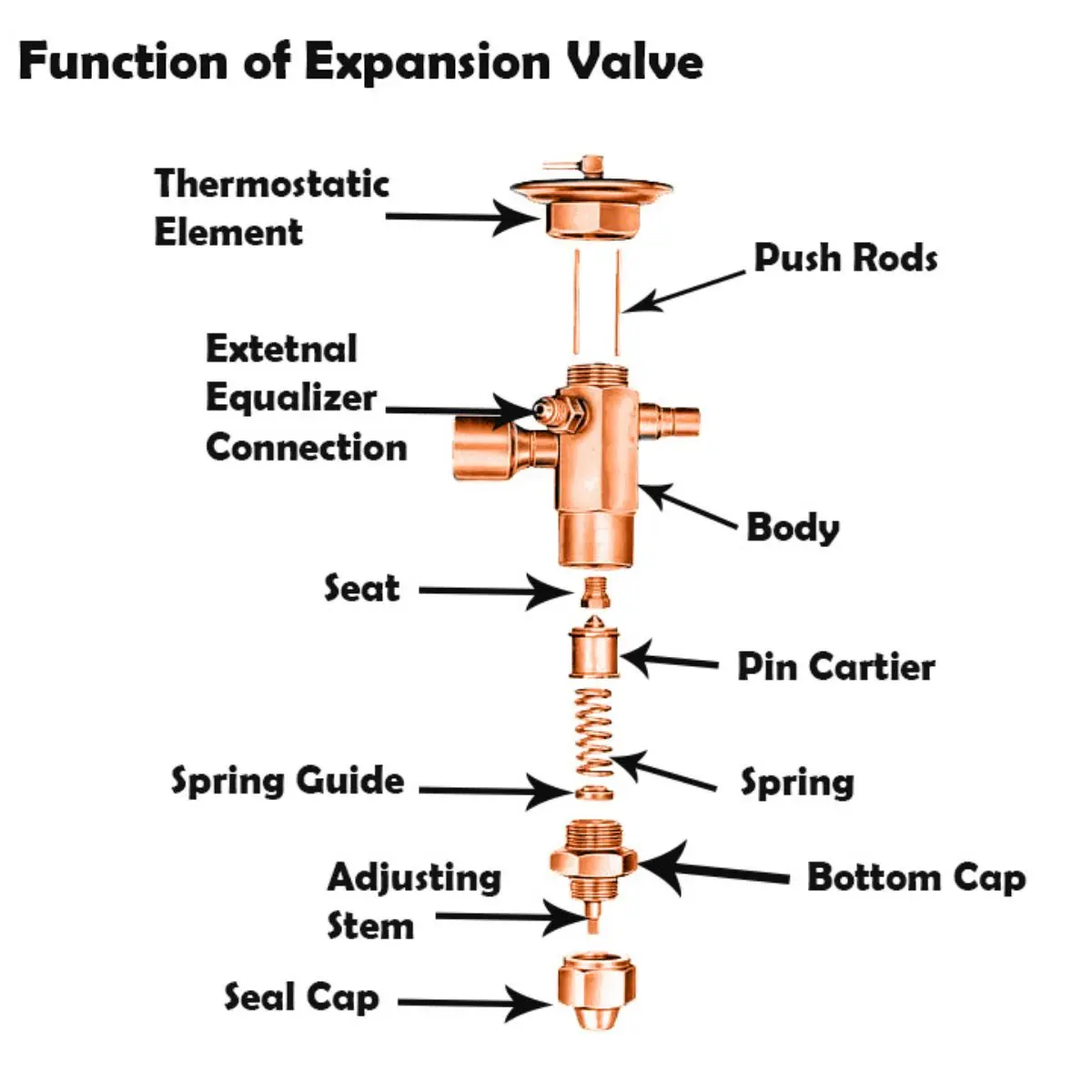
The thermostatic expansion valve has several key parts that work together:
- Valve body – The main housing that holds everything together
- Diaphragm – A flexible piece that moves to open or close the valve
- Sensing bulb – A temperature sensor that tells the valve when to adjust
- Spring – Controls how much the valve opens or closes
- Needle and seat – The parts that actually control the refrigerant flow
Each part plays an important role in making sure your air conditioner works just right. The sensing bulb is especially important because it “feels” the temperature and tells the valve what to do.
Where to Find the Thermostatic Expansion Valve
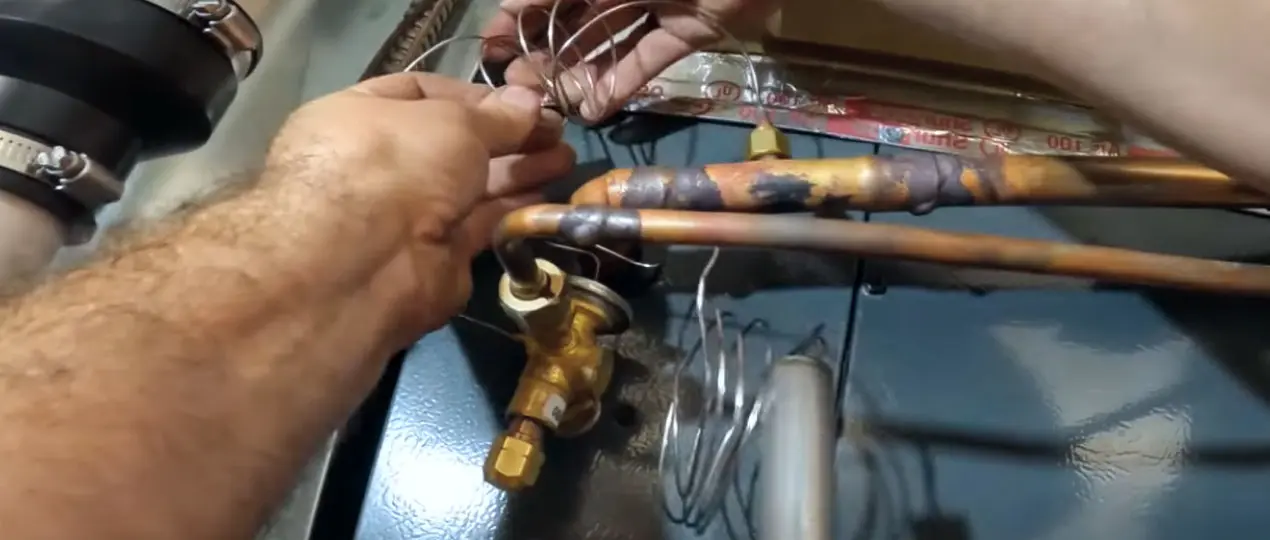
You can find the thermostatic expansion valve near the indoor part of your air conditioner. It’s usually connected to the evaporator coil, which is the part that gets cold. The valve itself is often wrapped in insulation to keep it working properly.
If you look at your indoor AC unit, you might see copper pipes going in and out. The thermostatic expansion valve is typically along one of these pipes. However, it’s best not to touch or adjust this valve yourself. It’s a precision part that needs professional handling.
How Does a Thermostatic Expansion Valve Work?
The thermostatic expansion valve works by sensing temperature changes and adjusting refrigerant flow. When your home gets warm, the valve opens more to let more cooling happen. When your home is cool enough, the valve closes a bit to save energy.
Here’s how the process works step by step:
The Refrigeration Cycle
To understand the thermostatic expansion valve, you need to know about the refrigeration cycle:
- The compressor squeezes the refrigerant gas, making it hot
- The hot gas moves to the outdoor condenser coil and cools down, turning into a liquid
- The liquid refrigerant travels to the thermostatic expansion valve
- The valve controls how much liquid flows into the evaporator
- In the evaporator, the liquid absorbs heat from your home and turns back into a gas
- The cycle repeats
The thermostatic expansion valve is like a traffic controller in this cycle. It makes sure the right amount of refrigerant goes through at the right time.
Temperature Sensing and Adjustment
The magic of the thermostatic expansion valve happens through its sensing bulb. This bulb contains a special fluid that expands and contracts with temperature changes. The bulb is attached to the outlet of the evaporator coil.
When the air in your home is warm, the evaporator needs more cooling power. The sensing bulb detects this and sends a signal to open the valve wider. More refrigerant flows through, creating more cooling.
When your home reaches the right temperature, the sensing bulb detects this too. It signals the valve to close a bit, reducing refrigerant flow. This prevents your home from getting too cold and saves energy.
Pressure Balance in Action
The thermostatic expansion valve works on a balance of pressures. Three different pressures work against each other:
- Bulb pressure – Pushes the valve open
- Evaporator pressure – Pushes the valve closed
- Spring pressure – Helps control the balance
When these pressures are in the right balance, your air conditioner works perfectly. The valve opens just enough to keep your home at the temperature you want. This balance happens automatically, without you having to do anything.
According to Energy.gov, efficient air conditioning systems with components like thermostatic expansion valves can reduce energy usage by 20-40% compared to older systems.
Benefits of Thermostatic Expansion Valves
Thermostatic expansion valves offer many advantages over simpler valve types. They make your air conditioner work better in several important ways.
Improved Energy Efficiency
The thermostatic expansion valve helps your air conditioner use less electricity. It does this by precisely controlling refrigerant flow. When less cooling is needed, the valve reduces flow, so your system doesn’t work harder than necessary.
This precise control means your air conditioner runs at peak efficiency most of the time. Many homeowners see lower electric bills after upgrading to a system with a thermostatic expansion valve. The savings can add up to hundreds of dollars each year.
The U.S. Department of Energy estimates that modern AC systems with components like thermostatic expansion valves can be up to 50% more efficient than systems from the 1970s.
Better Temperature Control
Have you ever noticed your home getting too cold, then too warm, over and over? This temperature swing happens with basic air conditioners. A thermostatic expansion valve helps solve this problem.
The valve responds quickly to changing conditions in your home. If one room gets extra sun in the afternoon, the valve adjusts to provide more cooling. When evening comes and temperatures drop, it reduces the cooling power automatically.
This responsive behavior keeps your home’s temperature more stable. You’ll feel more comfortable without constantly adjusting your thermostat.
Extended Equipment Life
Air conditioners with thermostatic expansion valves often last longer than those without them. The valve protects your system in several ways:
- Prevents liquid refrigerant from reaching the compressor
- Reduces strain on system components
- Minimizes temperature and pressure swings
- Helps maintain proper oil return to the compressor
These protections mean fewer repairs and a longer life for your expensive AC equipment. Many HVAC professionals consider thermostatic expansion valves essential for system longevity.
Common Problems with Thermostatic Expansion Valves
Even the best thermostatic expansion valves can develop problems over time. Knowing the warning signs can help you catch issues early.
Valve Blockage Issues
One common problem is when the thermostatic expansion valve gets blocked. This can happen if dirt, debris, or tiny metal particles get into your AC system. When the valve is blocked, refrigerant can’t flow properly.
Signs of a blocked valve include:
- Poor cooling performance
- Ice forming on the evaporator coil
- Unusual hissing sounds from the indoor unit
- The AC runs but doesn’t cool well
If you notice these symptoms, it’s time to call a professional. They can clean or replace the thermostatic expansion valve to restore proper operation.
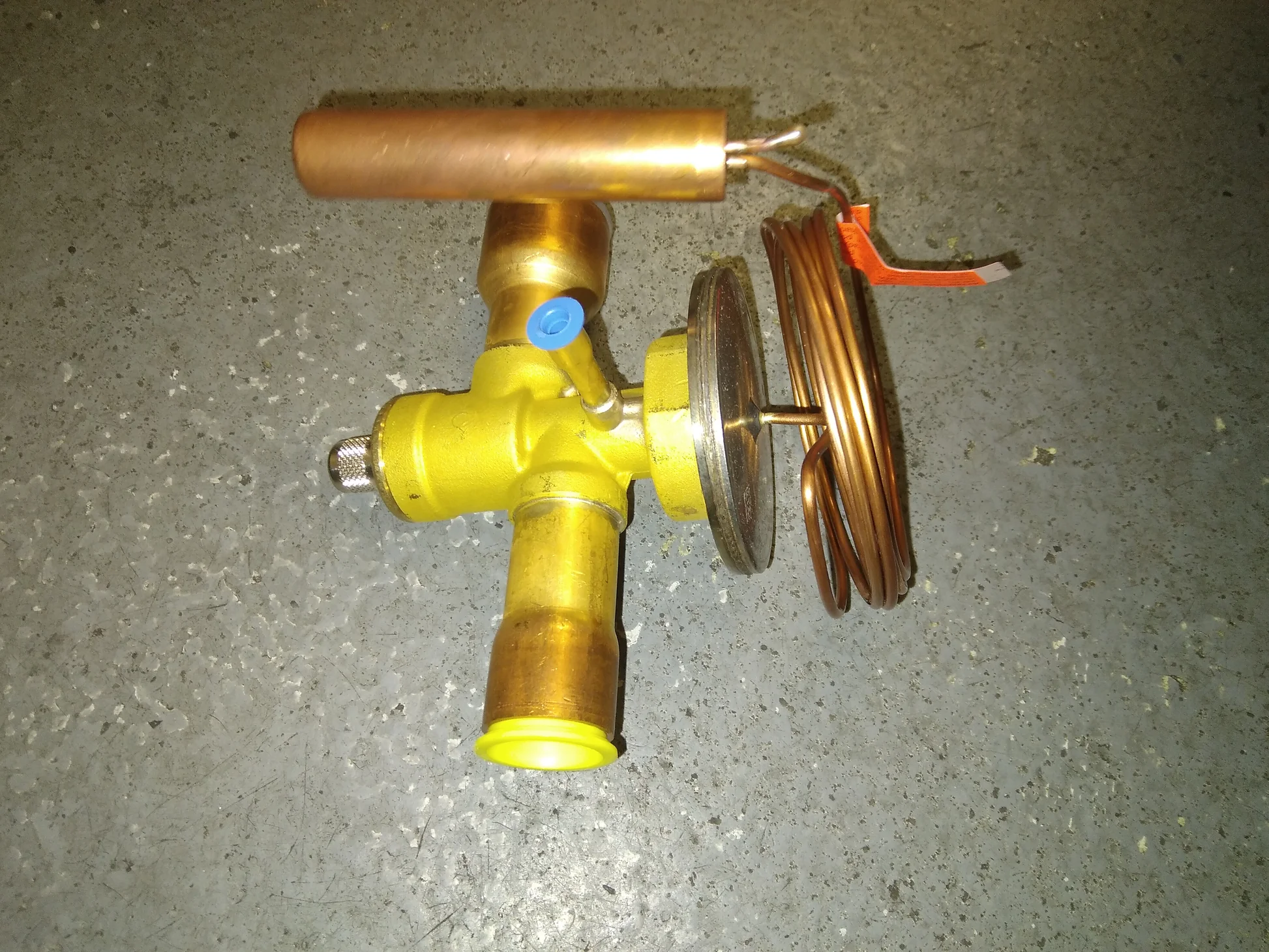
Sensing Bulb Failures
The sensing bulb is the “brain” of the thermostatic expansion valve. If it fails, the valve won’t know when to open or close. This can lead to serious cooling problems.
Sensing bulb failures often happen because:
- The bulb loses its charge of sensing fluid
- The bulb becomes loose from its mounting position
- The connection tube develops a leak
- The bulb gets damaged during maintenance
A failed sensing bulb usually means the entire thermostatic expansion valve needs replacement. This is definitely a job for a trained HVAC technician.
Incorrect Superheat Settings
“Superheat” is a technical term that refers to how much the refrigerant heats up after it evaporates. The thermostatic expansion valve controls this superheat level. If the setting is wrong, your system won’t work efficiently.
Symptoms of incorrect superheat settings include:
- The air conditioner cycles on and off too frequently
- Inconsistent cooling throughout your home
- Higher than normal energy bills
- Unusual noises from the compressor
Adjusting superheat settings requires special tools and training. A professional HVAC technician can test and adjust these settings to optimize your system’s performance.
Maintenance Tips for Your AC’s Expansion Valve
Proper maintenance helps keep your thermostatic expansion valve working well for many years. Here are some important tips to follow.
Regular System Checks
Having your air conditioner checked regularly can prevent many thermostatic expansion valve problems. A professional technician should inspect your system at least once a year, preferably before the hot season starts.
During these checks, the technician will:
- Test the valve’s operation
- Check for proper refrigerant levels
- Inspect the sensing bulb attachment
- Look for signs of wear or damage
- Clean the surrounding components
Regular checks catch small problems before they become big, expensive repairs. They also help your air conditioner run more efficiently all summer long.
Keeping the System Clean
A clean air conditioning system is less likely to have thermostatic expansion valve problems. The most important maintenance task you can do yourself is changing or cleaning the air filter regularly.
A dirty filter forces your system to work harder and can lead to dirt entering the refrigerant lines. This dirt might eventually clog the thermostatic expansion valve. Change your filter every 1-3 months, depending on your home’s conditions.
Also, keep the area around your indoor and outdoor units clean and clear. Remove leaves, dirt, and debris that might get pulled into the system. This simple step helps protect all components, including the thermostatic expansion valve.
Professional Servicing Schedule
Even with good DIY maintenance, your thermostatic expansion valve needs professional attention. Here’s a recommended service schedule:
- Annual inspection – Basic check of all components
- Bi-annual deep cleaning – Complete system cleaning
- Every 5 years – Consider proactive valve replacement
Following this schedule helps prevent unexpected breakdowns. It also extends the life of your entire air conditioning system, saving you money in the long run.
When to Replace Your Thermostatic Expansion Valve
Even the best thermostatic expansion valve won’t last forever. Knowing when to replace it can save you from uncomfortable days without air conditioning.
Signs of Valve Failure
Watch for these warning signs that your thermostatic expansion valve might be failing:
- Your air conditioner runs but doesn’t cool properly
- The system short-cycles (turns on and off frequently)
- You notice frost or ice on the refrigerant lines
- The air from your vents isn’t as cold as it should be
- Your energy bills have increased without explanation
If you notice any of these signs, call a professional HVAC technician right away. They can test your thermostatic expansion valve and determine if it needs replacement.
The Replacement Process
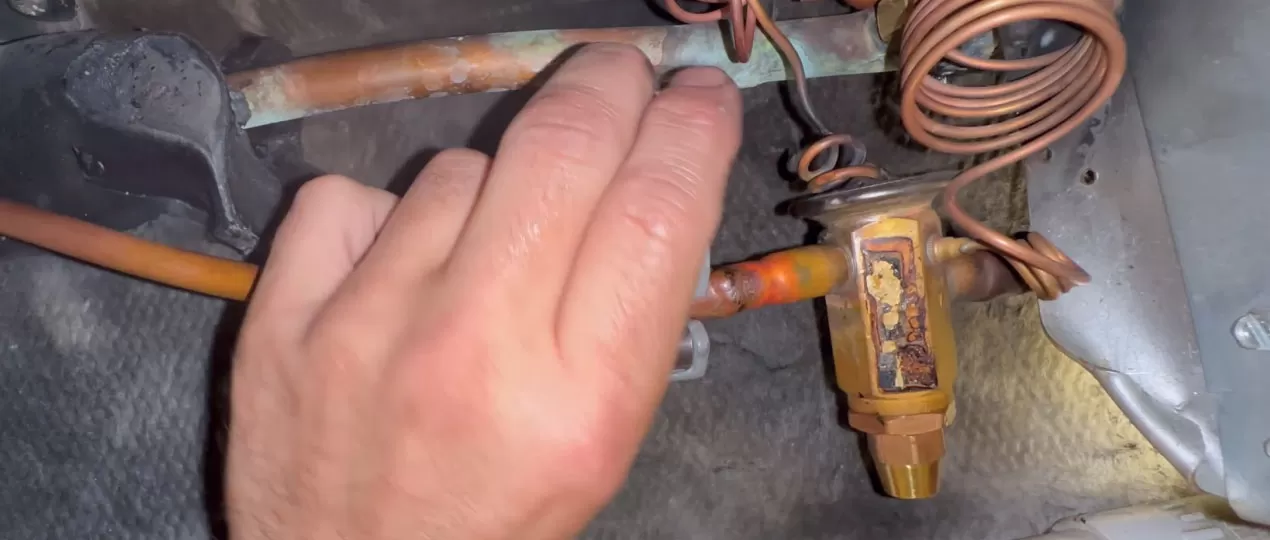
Replacing a thermostatic expansion valve is not a DIY job. It requires special tools, training, and refrigerant handling certification. Here’s what happens during a professional replacement:
- The technician recovers the refrigerant from your system
- The old valve is removed carefully
- The new valve is installed with proper fittings
- The system is tested for leaks
- Fresh refrigerant is added to the proper level
- The system is tested to ensure proper operation
This process typically takes 2-4 hours and should only be done by a licensed professional. Improper installation can damage your air conditioner or lead to refrigerant leaks, which are harmful to the environment.
Cost Considerations
Replacing a thermostatic expansion valve isn’t cheap, but it’s less expensive than replacing your entire air conditioner. The typical cost ranges from $300 to $500, including parts and labor.
Factors that affect the cost include:
- Your specific air conditioner model
- How difficult the valve is to access
- Whether additional repairs are needed
- Local labor rates in your area
While the cost might seem high, remember that a working thermostatic expansion valve improves efficiency. The replacement often pays for itself through lower energy bills and prevented damage to other components.
Frequently Asked Questions
What is the difference between a thermostatic expansion valve and a fixed orifice?
A thermostatic expansion valve adjusts refrigerant flow based on temperature needs, while a fixed orifice is just a hole that allows a set amount of refrigerant through at all times. The thermostatic expansion valve is more efficient because it responds to changing conditions in your home. Fixed orifices are simpler and cheaper but don’t provide the same level of comfort or efficiency.
Can I install a thermostatic expansion valve myself?
No, you should not install a thermostatic expansion valve yourself. This job requires special tools, training, and EPA certification to handle refrigerant. Improper installation can damage your air conditioner, void warranties, and even release harmful refrigerants into the atmosphere. Always hire a licensed HVAC professional for this work.
How long does a thermostatic expansion valve last?
A typical thermostatic expansion valve lasts 5-10 years with proper maintenance. However, some valves can last the entire lifetime of the air conditioner (15-20 years) if the system is well-maintained. Regular professional inspections help catch problems early and extend the valve’s life.
Will a new thermostatic expansion valve make my AC more efficient?
If you’re replacing an old or faulty thermostatic expansion valve, then yes, a new one will improve efficiency. If you’re upgrading from a fixed orifice system to one with a thermostatic expansion valve, you might see energy savings of 10-15%. However, if your current valve is working properly, replacing it won’t make a noticeable difference.
What happens if my thermostatic expansion valve fails completely?
If your thermostatic expansion valve fails completely, your air conditioner will stop cooling effectively. Depending on how it fails, you might experience no cooling at all, or the system might run continuously without reaching the desired temperature. This puts stress on other components, especially the compressor, which could lead to more expensive repairs if not addressed quickly.
Ready to Improve Your Air Conditioning System?
Now you understand how important the thermostatic expansion valve is to your air conditioner. This small but mighty component keeps your system running efficiently and your home comfortable. If your AC isn’t performing as well as it should, the thermostatic expansion valve might be the culprit.
Don’t wait until your air conditioner stops working completely. Regular maintenance and prompt attention to warning signs can save you money and prevent uncomfortable breakdowns. A professional HVAC technician can check your thermostatic expansion valve and make sure it’s working properly.
Ready to ensure your air conditioner is in top shape? Contact Harmon Mechanical today to schedule a professional inspection of your system, including the thermostatic expansion valve. Our experienced technicians will help keep your home cool and comfortable all summer long.