



Low refrigerant in AC systems causes poor cooling performance and higher energy bills. To fix low refrigerant in AC units, you’ll need to identify the symptoms, locate the leak, and either repair it yourself (if you have proper certification) or call a professional HVAC technician.
Refrigerant leaks require specialized equipment and EPA certification to handle properly. Most homeowners will need to call a professional, as refrigerant handling requires special training and tools. The repair typically involves finding the leak, repairing it, and recharging the system with the correct amount of refrigerant.
Understanding AC Refrigerant
Refrigerant is the special fluid that makes your air conditioner work. It’s not like gas in a car that gets used up. Instead, it moves through your AC system in a continuous loop, changing from liquid to gas and back again.
This changing between states helps move heat from inside your home to the outside. When refrigerant turns into a gas, it absorbs heat from your indoor air. Then it travels outside where it releases that heat and turns back into a liquid.
Your AC is designed as a closed system. This means the refrigerant should never leave the system or need topping up. If your system is low on refrigerant, it means there’s a leak somewhere.
Types of Refrigerants Used in Home AC Systems
Different AC units use different types of refrigerant. The most common types include:
- R-22 (Freon): This was the standard for many years but is being phased out because it harms the ozone layer. Since 2020, new R-22 is no longer produced in the United States.
- R-410A (Puron): This is the current standard for new residential systems. It’s more environmentally friendly than R-22.
- R-32: A newer refrigerant that’s becoming more common. It has a lower global warming potential.
Knowing which type your system uses is important. You can find this information on a label on your outdoor unit. Different refrigerants require different handling procedures and equipment.
Why Refrigerant Levels Matter
The right amount of refrigerant is crucial for your AC to work properly. Too little refrigerant (or too much) can cause several problems:
- Reduced cooling capacity
- Higher energy bills
- Strain on system components
- Potential damage to the compressor
Your AC was designed to operate with a specific amount of refrigerant, called the “charge.” This amount is usually listed on a plate or label on your outdoor unit. When the level drops below this amount, your system can’t work efficiently.
Signs of Low Refrigerant in AC
Spotting the signs of low refrigerant in AC systems early can save you from bigger problems. Here are the most common symptoms to watch for:
Reduced Cooling Performance
The most obvious sign is that your home isn’t getting as cool as it should. You might notice:
- Air coming from vents isn’t as cold as usual
- Your home takes longer to reach the temperature on your thermostat
- Some rooms feel warmer than others
This happens because low refrigerant means less heat can be removed from your indoor air. Your system keeps running but can’t cool effectively.
Higher Energy Bills
When your AC has low refrigerant, it has to work harder and run longer to try to cool your home. This extra work shows up on your energy bill.
If you notice a sudden increase in your electricity costs during cooling season, low refrigerant could be the culprit. Your system might be running almost constantly, but still not cooling properly.
Ice Formation on Evaporator Coils
This might seem strange – how can low refrigerant cause ice? When refrigerant levels drop, the pressure in the system changes. This can cause the temperature of the refrigerant to drop below freezing.
When this happens, moisture in the air freezes on the evaporator coil. You might notice:
- Ice buildup on the indoor coil or refrigerant lines
- Water leaking around your indoor unit as ice melts
- Reduced airflow from your vents

Hissing or Bubbling Sounds
If you hear hissing or bubbling noises coming from your AC unit or the refrigerant lines, this could indicate an active leak. Refrigerant escaping through a small hole can make these distinctive sounds.
These sounds might be more noticeable when the system is running. If you hear them, it’s a clear sign you need professional help right away.
Warm Air From Vents
In severe cases of low refrigerant in AC systems, you might feel warm air (not just less cool air) coming from your vents. This happens when the refrigerant level is so low that the system can’t remove heat effectively at all.
If your AC is blowing warm air even after running for a while, check your thermostat settings first. If everything is set correctly, low refrigerant could be the problem.
Common Causes of Refrigerant Leaks
Refrigerant doesn’t get used up like fuel. If your system is low on refrigerant, there must be a leak. Here are the most common causes:
Wear and Tear on Components
Over time, the components in your AC system naturally wear down. The most common places for leaks to develop include:
- Refrigerant lines: The copper tubes that carry refrigerant can develop small cracks or holes.
- Joints and connections: Where different parts of the system connect, seals can deteriorate.
- Evaporator coil: This indoor component can corrode over time, especially in homes near the coast where salt air is present.
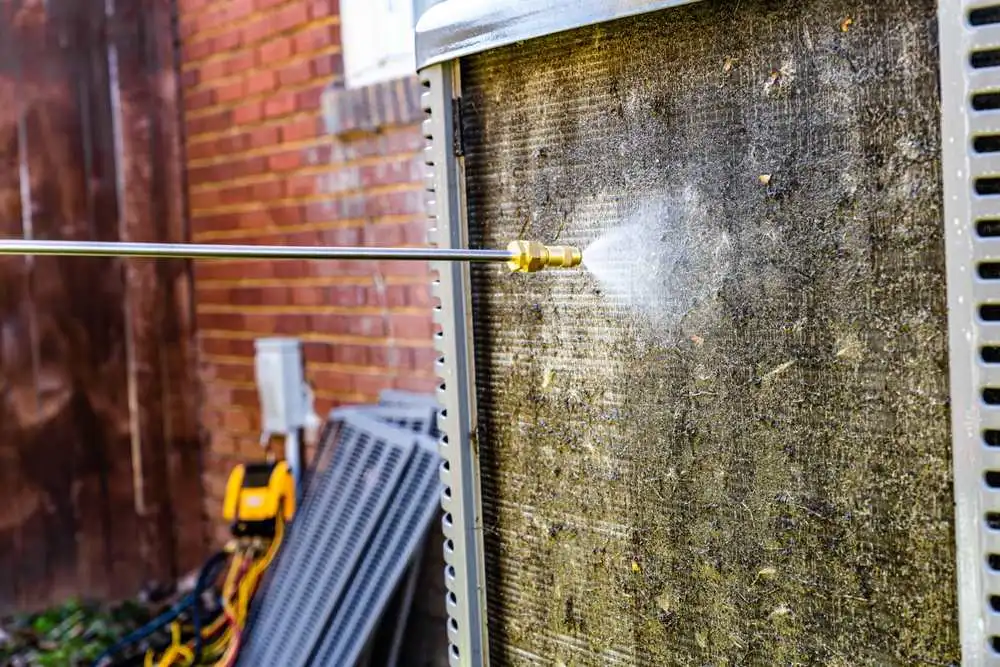
- Condenser coil: The outdoor coil faces harsh weather conditions that can cause damage.
Most AC systems last 10-15 years. As they age, the risk of developing leaks increases significantly.
Improper Installation
Poor installation is a common cause of refrigerant leaks. If connections weren’t properly secured or if the system wasn’t correctly charged with refrigerant from the start, problems can develop.
Some installation mistakes that lead to leaks include:
- Overtightened or undertightened fittings
- Improperly brazed joints
- Kinked or bent refrigerant lines
- Incorrect system charging
This is why it’s so important to choose qualified HVAC professionals for installation.
Physical Damage
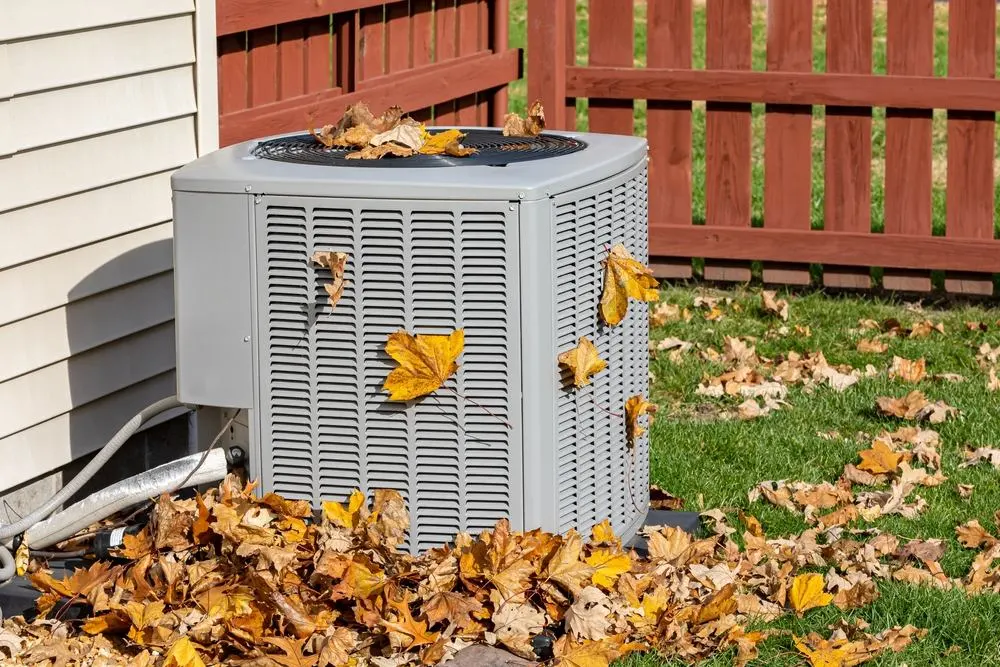
The outdoor unit of your AC system is exposed to the elements and potential physical damage. Common causes of damage include:
- Lawn equipment hitting the unit
- Falling branches or debris
- Animals chewing on refrigerant lines
- Corrosion from salt air or pollution
Even small impacts can create tiny holes in the refrigerant lines or coils. These might not be visible to the naked eye, but can allow refrigerant to escape slowly.
Factory Defects
Sometimes, the problem isn’t due to installation or damage but was present from the factory. Manufacturing defects in coils, valves, or other components can lead to leaks.
These issues often show up within the first few years of operation. Most manufacturers offer warranties that cover such defects, which is why it’s important to register your equipment after purchase.
Steps to Fix Low Refrigerant (DIY vs. Professional)
When dealing with low refrigerant in AC systems, there are steps you can take yourself and others that require professional help. Let’s break this down:
What You Can Do Yourself
While you can’t legally handle refrigerant without certification, there are several helpful steps you can take:
1. Confirm the symptoms
- Check that your thermostat is set correctly
- Make sure all vents are open and unblocked
- Replace your air filter if it’s dirty
- Look for visible ice on refrigerant lines or the indoor coil
2. Perform a visual inspection
- Look for oil stains around refrigerant lines (a sign of leaks)
- Check for damaged or kinked copper lines
- Ensure the outdoor unit is clean and free of debris
3. Turn off your system if necessary
If you see ice on your system, turn it off to allow the ice to melt completely before running it again. Running the system with ice buildup can damage the compressor.
When to Call a Professional
For actual refrigerant handling, you’ll need a professional. Here’s why:
- It’s illegal for non-certified individuals to handle refrigerant under EPA regulations
- Special equipment is required to detect leaks and measure refrigerant levels
- Improper handling can damage your system or pose health and environmental hazards
- Adding refrigerant without fixing the leak is only a temporary solution
Call a professional HVAC technician if:
- You’ve confirmed symptoms of low refrigerant in AC
- Your system is blowing warm air
- You see ice on the coils or lines
- You hear hissing sounds from the unit
The Professional Repair Process
When you call a professional to fix low refrigerant in AC systems, here’s what they’ll typically do:
1. Diagnose the problem
- Check refrigerant pressure using gauges
- Confirm that low refrigerant is indeed the issue
2. Find the leak
- Use electronic leak detectors
- Apply soap bubbles to suspected leak areas
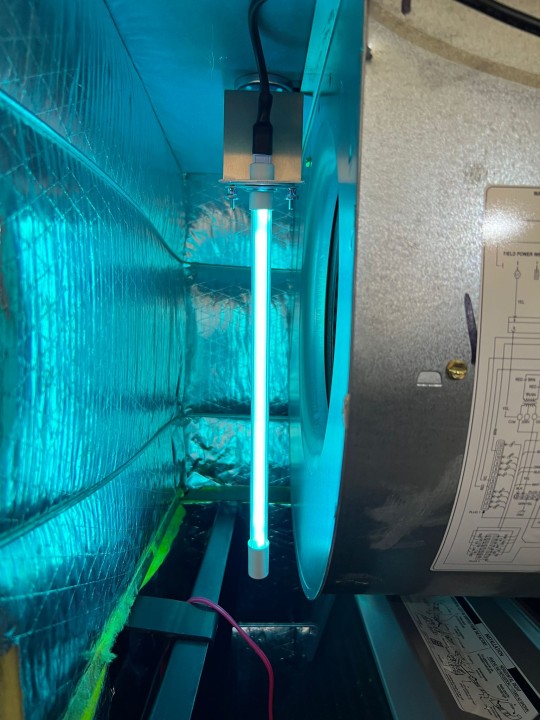
- Use UV dye in the system to make leaks visible
3. Repair the leak
- Replace damaged components
- Repair joints or connections
- Seal small leaks when possible
4. Evacuate the system
- Remove any air or moisture from the system using a vacuum pump
5. Recharge the system
- Add the correct type and amount of refrigerant
- Test the system to ensure proper operation
This process typically takes 2-4 hours, depending on the complexity of the leak and the system.
Preventing Future Refrigerant Leaks
Preventing refrigerant leaks is much easier and less expensive than fixing them. Here are effective strategies to keep your AC system running smoothly:
Regular Maintenance
The single best way to prevent refrigerant leaks is through regular professional maintenance. An annual tune-up should include:
- Checking refrigerant levels and pressure
- Inspecting refrigerant lines for wear or damage
- Examining coils for signs of corrosion
- Testing all connections and joints
Most HVAC companies offer maintenance plans that include these services. Scheduling maintenance in spring, before the cooling season begins, is ideal.
Protecting Your Outdoor Unit
Your outdoor condenser unit is vulnerable to damage that can cause refrigerant leaks. Protect it by:
- Keeping the area around the unit clear of debris and vegetation (at least 2 feet on all sides)
- Trimming branches that hang over the unit
- Using a condenser cover during winter in colder climates (but remove it before operation)
- Installing a small fence or barrier around the unit if it’s in a high-traffic area
Be careful when mowing or using string trimmers near the unit to avoid damaging the fins or refrigerant lines.

Upgrading Older Systems
If your AC system is more than 10 years old, it’s more prone to developing refrigerant leaks. Consider:
- Upgrading to a newer, more efficient system
- Replacing just the outdoor unit if it’s showing signs of wear
- Installing a system that uses newer, more environmentally friendly refrigerants
While this represents a significant investment, it can save money in the long run through improved efficiency and fewer repairs.
Proper Installation
If you’re installing a new system, proper installation is crucial for preventing future leaks:
- Choose a qualified, licensed HVAC contractor
- Ask about their experience with your specific type of system
- Ensure they pull proper permits and follow manufacturer specifications
- Request pressure testing of the system before refrigerant is added
A properly installed system should operate for years without refrigerant leaks.
Cost Considerations for Refrigerant Repairs
Understanding the potential costs of fixing low refrigerant in AC systems can help you budget appropriately. Here’s what you need to know:
Diagnostic Fees
Before any repair work begins, a technician will need to diagnose the problem. Typical diagnostic fees range from $75 to $150, depending on your location and the company.
Many companies will apply this fee toward the cost of repairs if you choose to proceed with their service. Some may waive it entirely if you have a maintenance agreement.
Leak Detection and Repair Costs
Finding and fixing refrigerant leaks can vary widely in cost:
- Simple leaks at connections: $200-$400
- Leaks in accessible refrigerant lines: $300-$600
- Evaporator coil leaks: $600-$1,200
- Condenser coil leaks: $900-$2,300
The location and severity of the leak greatly impact the cost. Sometimes multiple leaks may be present, increasing the total repair cost.
Replacement vs. Repair
In some cases, especially with older systems or when the leak is in a major component like the evaporator or condenser coil, replacement might be more cost-effective than repair:
- New evaporator coil: $600-$2,000
- New condenser coil: $900-$2,800
- Complete system replacement: $4,000-$8,000+
When making this decision, consider:
- The age of your current system
- Its energy efficiency compared to newer models
- The cost of the repair versus replacement
- Whether your system uses R-22 (which will become increasingly expensive)
A good rule of thumb: If your system is over 10 years old and the repair would cost more than 50% of a new system, replacement is often the better option.
Frequently Asked Questions
Can I just add more refrigerant without fixing the leak?
No, this is not recommended. Adding refrigerant without fixing the leak is:
- Only a temporary solution
- Potentially harmful to the environment
- Costly in the long run, as you’ll need to keep adding refrigerant
- Possibly illegal under EPA regulations
The proper approach is always to find and fix the leak before recharging the system.
How long does refrigerant last in an AC system?
In a properly functioning AC system, refrigerant should last indefinitely. It circulates in a closed loop and doesn’t get “used up” during normal operation. If your system is losing refrigerant, it means there’s a leak that needs to be addressed.
Is low refrigerant in AC dangerous?
While low refrigerant itself isn’t immediately dangerous to your health, it can:
- Damage your AC system, potentially leading to costly repairs
- Reduce indoor air quality if the system isn’t cooling and dehumidifying properly
- Contribute to environmental damage if the refrigerant is leaking into the atmosphere
Modern refrigerants are generally less toxic than older types, but they should still be handled only by certified professionals.
Can I buy refrigerant and add it myself?
No. Federal law restricts the sale of refrigerant to EPA-certified technicians. It’s illegal for homeowners to purchase and handle refrigerant without proper certification. This regulation exists to protect both the environment and individuals from the potential hazards of improper handling.
How often should refrigerant be replaced?
Refrigerant should never need to be “replaced” under normal circumstances. If your system is working properly, the refrigerant will continue to circulate without being consumed. Only when there’s a leak does refrigerant need to be added after the leak is repaired.
Will my warranty cover refrigerant leaks?
It depends on your warranty terms and the cause of the leak:
- Manufacturer defects in components like coils are typically covered under the parts warranty
- Damage due to improper installation might be covered by the installer’s workmanship warranty
- Normal wear and tear or damage from external factors usually isn’t covered
Check your warranty documentation or contact your installer for specific information about your coverage.
How can I tell if my AC is low on refrigerant or has another problem?
While symptoms like poor cooling and ice formation often indicate low refrigerant in AC systems, these can also be caused by other issues like:
- Dirty air filters
- Blocked condenser coils
- Fan motor problems
- Thermostat issues
A professional diagnosis is the only way to know for sure what’s causing your AC problems.
Ready to Fix Your AC’s Refrigerant Issues?
Low refrigerant in AC systems is a common but serious problem that requires prompt attention. While you can identify the symptoms yourself, proper repair requires professional expertise and equipment.
Regular maintenance is your best defense against refrigerant leaks and other AC problems. By scheduling annual tune-ups and addressing small issues before they become major repairs, you can extend the life of your system and maintain comfortable indoor temperatures year-round.
Ready to get your AC working properly again? Book an appointment with Harmon Mechanical today. We’ll diagnose your refrigerant issues, fix any leaks, and ensure your system is charged correctly for optimal performance.