


Table of Contents
No, an HVAC tune up is not the same as maintenance, though they’re closely related. An HVAC tune up is a specific, focused service that optimizes your system’s performance, typically done once or twice yearly.
Maintenance, on the other hand, is a broader term that includes regular tune ups plus ongoing care, repairs, and part replacements throughout the year. Think of a tune up as a special check-up, while maintenance is the complete healthcare plan for your HVAC system.
Key Differences Between HVAC Tune Ups and Maintenance
When it comes to caring for your heating and cooling system, understanding the difference between a tune up and maintenance can save you time, money, and frustration. Let’s break down these differences in simple terms.
Definition and Scope
An HVAC tune up is like a special check-up for your system. It’s a specific service where a technician inspects, cleans, and adjusts your HVAC equipment to make sure it’s running at its best. This service usually happens once or twice a year.
HVAC maintenance, however, is the whole package. It includes regular tune ups plus all the other care your system needs throughout the year. This might mean fixing broken parts, replacing worn components, or handling emergency repairs when something goes wrong.
Service Components
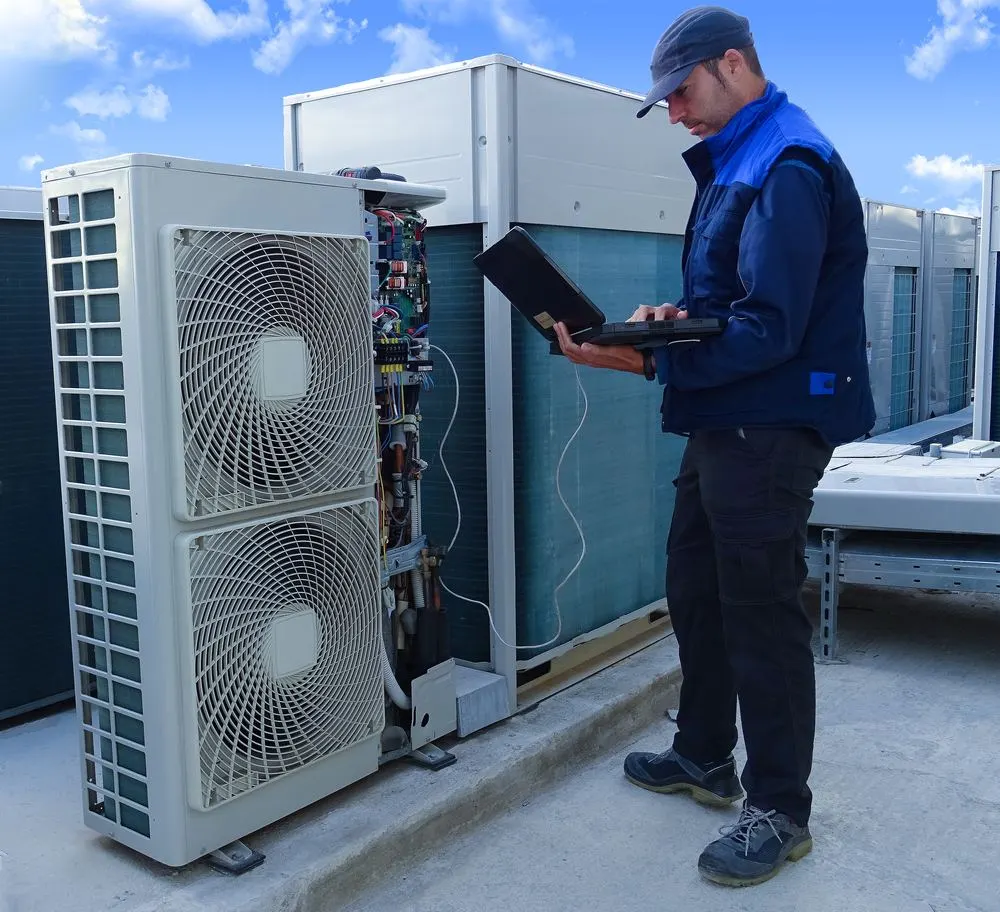
During a tune up, technicians focus on cleaning, testing, and fine-tuning your system. They’ll check things like:
- Thermostat settings and operation
- Electrical connections and components
- Moving parts that need lubrication
- Condensate drain for clogs
- System controls and safety features
Maintenance services include everything in a tune up, plus:
- Replacing worn or broken parts
- Fixing leaks or other issues
- Emergency repair services
- Ongoing system monitoring
- Long-term care planning for your equipment
Cost Comparison
HVAC tune ups typically cost less than comprehensive maintenance plans. A standard tune up might range from $75 to $200 depending on your location and system type.
Maintenance plans usually involve a yearly fee that covers regular tune ups plus discounts on repairs and parts. These plans might cost $150 to $500 annually but can save money in the long run by preventing costly breakdowns.
According to Energy.gov, proper maintenance can save up to 30% on energy costs compared to poorly maintained systems.
What Does an HVAC Tune Up Include?
An HVAC tune up is a thorough service that helps your system run efficiently. Let’s look at what happens during this important check-up.
Standard Tune Up Checklist
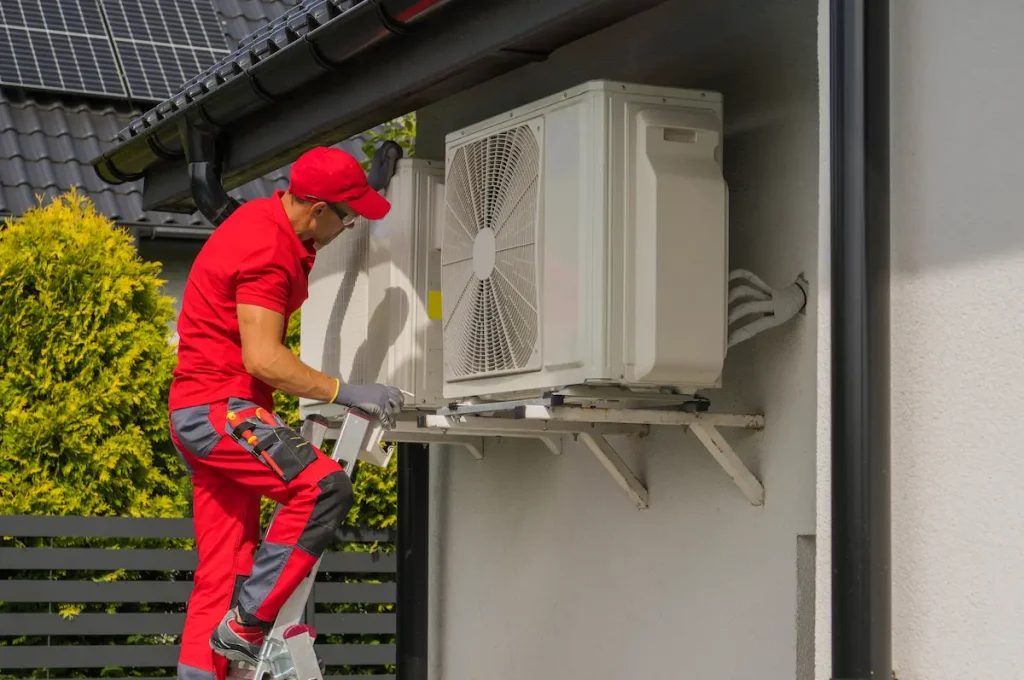
When a technician performs an HVAC tune up, they typically complete these tasks:
- Clean or replace air filters
- Clean the evaporator and condenser coils
- Check refrigerant levels and look for leaks
- Inspect and clean the blower components
- Lubricate all moving parts
- Check and tighten electrical connections
- Verify thermostat operation
- Test system startup and shutdown cycles
- Measure airflow through the evaporator coil
- Inspect ductwork for leaks or blockages (sometimes)
Seasonal Considerations
Spring tune ups focus on preparing your air conditioning for summer. Technicians will pay special attention to cooling components, refrigerant levels, and condensate drainage systems.
Fall tune ups prepare your heating system for winter. The focus shifts to furnace components, heat exchangers, ignition systems, and carbon monoxide testing for gas systems.
Duration and Process
A typical HVAC tune up takes about 1-2 hours to complete. The technician will first inspect your system, then clean key components, test operation, and make necessary adjustments.
They’ll also provide a report of their findings and recommendations for any additional services your system might need. This is a good time to ask questions about your system’s performance.
What Does HVAC Maintenance Include?
HVAC maintenance is a comprehensive approach to system care that goes beyond tune ups. It’s about keeping your system healthy year-round.
Comprehensive Maintenance Plans
Most HVAC companies offer maintenance plans or service agreements that include:
- Regular scheduled tune ups (usually spring and fall)
- Priority scheduling for service calls
- Discounts on repairs and replacement parts
- Extended warranty coverage
- Regular filter replacements
- 24/7 emergency service options
These plans are designed to provide peace of mind and prevent costly breakdowns through proactive care.
Repair and Replacement Services
Unlike a tune up, maintenance includes addressing problems as they arise. This might involve:
- Replacing worn components before they fail
- Repairing refrigerant leaks
- Fixing electrical issues
- Addressing unusual noises or performance problems
- Upgrading outdated parts for better efficiency
Documentation and Record-Keeping
A good maintenance program includes detailed records of all services performed. This documentation helps track your system’s history and identify patterns that might indicate larger issues.
Many companies now offer digital records and reminders for upcoming maintenance needs. This makes it easier to stay on top of your system’s care requirements.

How Often Should You Schedule Each Service?
Knowing when to schedule HVAC services helps keep your system running smoothly and prevents unexpected breakdowns.
Recommended Tune Up Schedule
Most HVAC professionals recommend scheduling tune ups twice a year:
- Spring (March-May): To prepare your cooling system for summer
- Fall (September-November): To get your heating system ready for winter
If you live in a mild climate or have a newer system, you might be able to get by with just one tune up per year. However, older systems (10+ years) often benefit from more frequent attention.
Ongoing Maintenance Timeline
Beyond scheduled tune ups, here’s a simple maintenance timeline to follow:
- Monthly: Check and change air filters (more often if you have pets or allergies)
- Quarterly: Clean around outdoor units, removing debris and vegetation
- Annually: Have professional maintenance performed
- Every 2-3 years: Consider duct cleaning if needed
- Every 10-15 years: Evaluate system for potential replacement
Factors Affecting Service Frequency
Several factors might increase how often you need HVAC services:
- System age (older systems need more attention)
- Usage patterns (systems that run constantly need more care)
- Local climate (extreme weather puts more stress on systems)
- Presence of pets or allergies (requires more frequent filter changes)
- History of previous problems (systems with past issues may need closer monitoring)
Regular maintenance can extend an HVAC system’s lifespan by 30-50%.
Benefits of Regular HVAC Tune Ups and Maintenance
Taking care of your HVAC system pays off in many ways. Let’s explore the key benefits of keeping up with regular service.
Energy Efficiency and Cost Savings
A well-maintained HVAC system runs more efficiently, using less energy to heat or cool your home. This translates directly to lower utility bills.
Studies show that regular maintenance can reduce energy consumption by up to 15-20%. For the average household, this could mean savings of $180-$300 annually.
Dirty coils, clogged filters, and unlubricated parts force your system to work harder, using more electricity or fuel. Regular tune ups address these issues before they impact your wallet.
Extended Equipment Lifespan
HVAC systems are expensive investments. A new system can cost $5,000-$10,000 or more, so making yours last longer makes financial sense.
Regular maintenance can extend your system’s lifespan by 5-10 years. This means you won’t need to replace your equipment as frequently.
Just like changing the oil in your car prevents engine damage, regular HVAC tune ups prevent the excessive wear and tear that leads to premature system failure.
Improved Air Quality and Comfort
Your HVAC system doesn’t just control temperature—it affects your home’s air quality too. Regular maintenance helps by:
- Removing dust, pollen, and other allergens from the system
- Preventing mold growth in damp components
- Ensuring proper humidity control
- Reducing airborne particles that can trigger asthma or allergies
A properly maintained system also provides more consistent comfort, with fewer temperature fluctuations and better humidity control throughout your home.

Warranty Protection
Many HVAC manufacturers require proof of regular maintenance to keep warranties valid. Skipping tune ups could void your warranty coverage, leaving you responsible for costly repairs.
Keep records of all maintenance performed on your system. These documents can be valuable if you ever need to make a warranty claim.
DIY vs. Professional HVAC Care
While there are some HVAC tasks you can handle yourself, others require professional expertise. Understanding the difference helps you take better care of your system.
What Homeowners Can Do Themselves
Several simple maintenance tasks are perfect for DIY care:
- Changing air filters every 1-3 months
- Keeping outdoor units clear of debris, leaves, and vegetation
- Cleaning visible dust from vents and registers
- Checking thermostat batteries and operation
- Ensuring indoor and outdoor units have proper clearance
- Listening for unusual noises that might indicate problems
These simple steps can prevent many common HVAC problems and keep your system running smoothly between professional visits.
When to Call the Professionals
Some HVAC tasks should always be left to trained technicians:
- Refrigerant handling (it’s regulated and potentially harmful)
- Electrical component repairs
- Gas line or combustion system work
- Compressor or motor repairs
- Ductwork modifications
- Complete system tune ups
Professional technicians have the training, tools, and expertise to safely handle these more complex aspects of HVAC care.

Finding a Reliable HVAC Service Provider
When choosing an HVAC company for tune ups and maintenance:
- Look for proper licensing and insurance
- Check online reviews and ask for references
- Verify they have experience with your specific type of system
- Ask about their maintenance plans and what they include
- Compare pricing from multiple providers
- Consider companies that offer guarantees on their work
A good HVAC partner will take the time to explain their recommendations and help you understand your system’s needs.
The Value of Maintenance Agreements
Many homeowners find that maintenance agreements offer excellent value. These plans typically include:
- Scheduled tune ups at the appropriate times
- Priority service during busy seasons
- Discounts on repairs and parts
- Documentation of all services performed
- Peace of mind knowing your system is being properly maintained
While there’s an upfront cost to these agreements, they often save money in the long run through prevented breakdowns and extended equipment life.
Common Questions About HVAC Tune Ups vs. Maintenance
1. What’s the difference between an HVAC tune up and ongoing maintenance throughout the year?
An HVAC tune up is a focused check-up performed once or twice a year to keep your system running efficiently. Maintenance, however, includes tune ups plus all necessary year-round services like repairs, part replacements, and long-term system care.
2. How often should homeowners schedule HVAC services to avoid costly repairs?
Most systems benefit from two seasonal tune ups a year—one in spring and one in fall—alongside routine maintenance like monthly filter checks and annual inspections. Older or heavily used systems might need more frequent service to prevent failures and extend their lifespan.
3. Can doing HVAC maintenance myself save money, or do I still need a professional?
You can do simple tasks like changing filters or clearing debris around the unit, but professional tune ups are crucial for checking refrigerants, electrical systems, and internal parts. A combined DIY and expert approach ensures maximum efficiency and safety.
4. Do HVAC maintenance plans really offer value, or are they just upsells?
A maintenance plan typically covers tune ups, discounts on parts, and priority scheduling, which can prevent breakdowns and save money over time. For many homeowners, the plan pays for itself by catching issues early and reducing long-term energy or repair costs.
Conclusion: Making the Right Choice for Your HVAC System
Understanding the difference between an HVAC tune up and maintenance helps you make better decisions about caring for your home comfort system. While a tune up is a specific service that optimizes performance, maintenance is the comprehensive, ongoing care your system needs throughout its lifetime.
Both services play important roles in keeping your HVAC system running efficiently, saving energy, extending equipment life, and maintaining comfort. For most homeowners, the best approach is a combination of professional tune ups, a good maintenance plan, and simple DIY care between service visits.
Remember that your HVAC system is one of the most expensive and important systems in your home. Investing in proper care now prevents costly repairs and premature replacement later. It also ensures your family stays comfortable in every season.
Ready to give your HVAC system the care it deserves? Book an appointment with our experienced technicians today. We’ll help you develop a maintenance plan that fits your system’s needs and your budget, ensuring year-round comfort and efficiency for your home. Harmon Mechanical is eager to hear from you!