


Table of Contents
Air purifiers are devices that clean the air in your home by removing pollutants, allergens, and other harmful particles. They work by pulling air through filters that trap these unwanted particles, then releasing cleaner air back into your room.
Today’s air purifiers can remove up to 99.97% of airborne contaminants, including dust, pet dander, pollen, and even some viruses and bacteria. With indoor air often being 2-5 times more polluted than outdoor air, these devices have become essential for many homes.
If you’re concerned about your indoor air quality or suffer from allergies, asthma, or other respiratory issues, an air purifier might be the solution you’re looking for. Let’s explore everything you need to know about these helpful devices.
How Air Purifiers Work
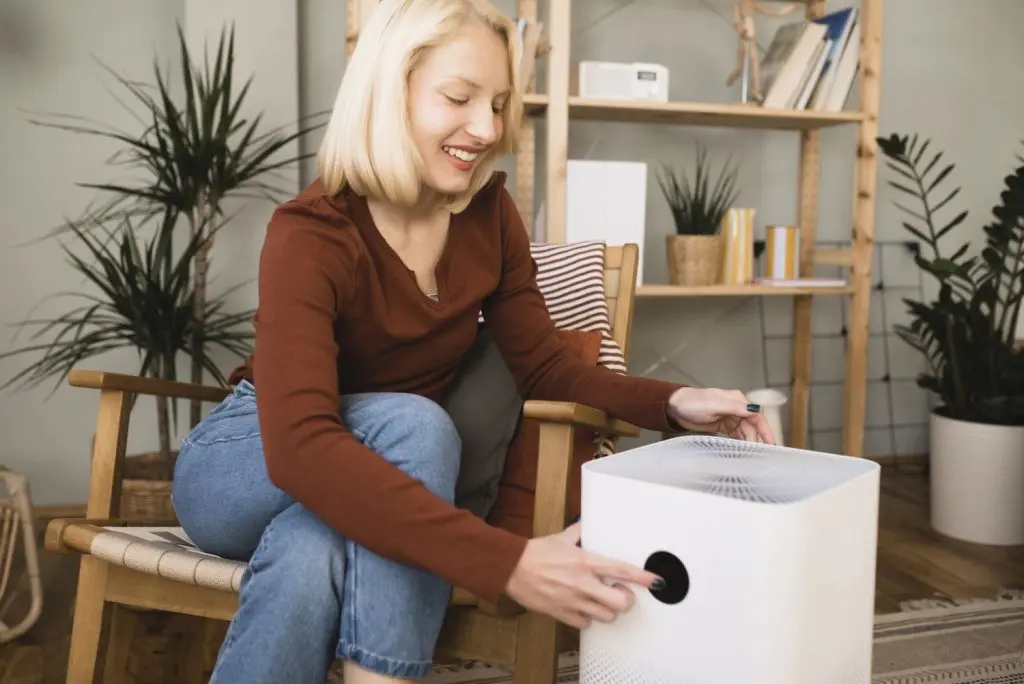
Air purifiers work on a simple principle: they pull in dirty air, clean it, and push out fresh air. Think of them like vacuum cleaners for your air. Most air purifiers use fans to draw in the air from your room. This air then passes through one or more filters that trap harmful particles.
The most common type of filter is the HEPA (High-Efficiency Particulate Air) filter. These special filters can catch tiny particles as small as 0.3 microns. That’s smaller than most dust, pollen, and pet dander! After the air passes through the filters, the clean air is released back into your room.
Some advanced air purifiers also use additional technologies. For example, some use activated carbon filters to remove odors and gases. Others use UV light to kill germs. The best air purifiers combine several of these methods to give you the cleanest air possible.
Types of Air Purifiers
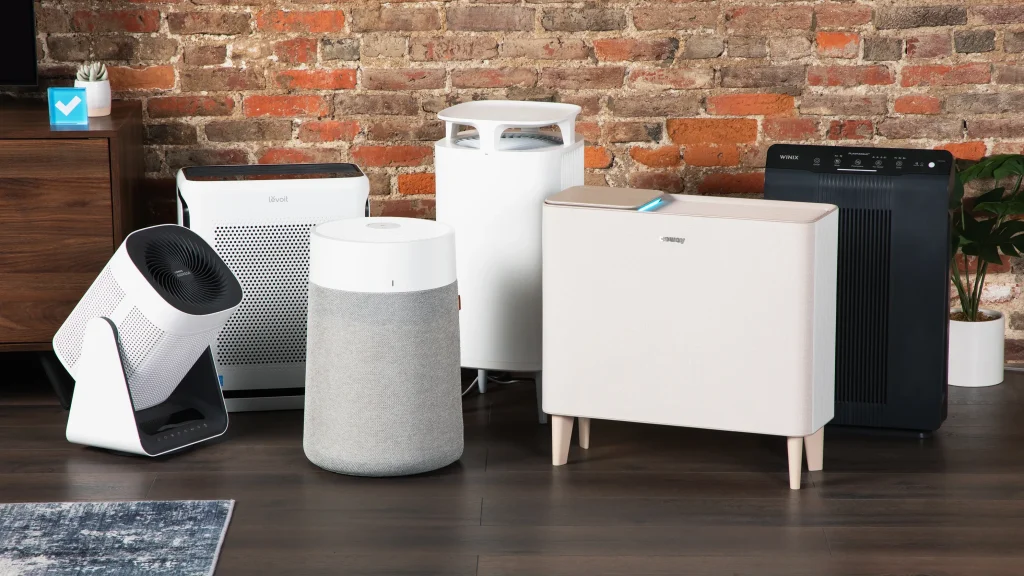
There are several types of air purifiers available today, each using different technologies to clean your air. Understanding these types will help you choose the right one for your needs.
HEPA Air Purifiers
HEPA air purifiers are the most common and effective type. They use HEPA filters that can remove 99.97% of particles that are 0.3 microns or larger. These include dust, pollen, pet dander, and some bacteria. HEPA air purifiers are great for people with allergies or asthma.
Activated Carbon Air Purifiers
These air purifiers use activated carbon filters to absorb odors, gases, and chemicals. The carbon has millions of tiny pores that trap these substances. They’re perfect for removing cooking smells, pet odors, and harmful gases like formaldehyde from your home.
UV Air Purifiers
UV air purifiers use ultraviolet light to kill germs like bacteria and viruses. The UV light damages the DNA of these microorganisms, preventing them from reproducing. These are often used alongside other filter types for maximum effectiveness.
Ionic Air Purifiers
Ionic air purifiers release negatively charged ions into the air. These ions attach to positively charged particles like dust and pollen, making them too heavy to stay airborne. The particles then fall to the floor or stick to nearby surfaces. While effective, these require regular cleaning of surfaces and may produce small amounts of ozone.
Ozone Generators
Ozone generators create ozone, which can react with and neutralize some pollutants. However, ozone can irritate the lungs and worsen asthma symptoms. The EPA does not recommend using ozone generators in occupied spaces. It’s best to avoid this type for home use.
Benefits of Using Air Purifiers
Air purifiers offer many benefits that can improve your health and quality of life. Here are some of the main advantages of using air purifiers in your home:
Allergy and Asthma Relief
Air purifiers can remove common allergens like dust mites, pollen, and pet dander from your air. This can greatly reduce allergy symptoms like sneezing, itchy eyes, and runny nose. For people with asthma, cleaner air means fewer triggers and potentially fewer attacks.
Reduced Exposure to Harmful Particles
Beyond allergens, air purifiers can remove harmful particles like smoke, bacteria, and viruses. This is especially important in urban areas or during wildfire season. By removing these particles, air purifiers help protect your lungs and overall health.
Elimination of Unpleasant Odors
Air purifiers with activated carbon filters can remove unpleasant smells from cooking, pets, smoke, and cleaning products. This leaves your home smelling fresh and clean. Some people notice this benefit immediately after turning on their air purifier.
Better Sleep
Cleaner air can lead to better sleep. When you’re not breathing in allergens or irritants, you’re less likely to experience congestion, coughing, or other symptoms that can disrupt your sleep. Many users report sleeping more soundly after adding an air purifier to their bedroom.
Reduced Dust in Your Home
Air purifiers capture dust before it settles on your furniture and floors. This means less time spent dusting and vacuuming. You might notice that surfaces stay cleaner longer after you start using an air purifier.
How to Choose the Right Air Purifier
With so many air purifiers on the market, choosing the right one can feel overwhelming. Here’s what to consider when making your selection:
Room Size
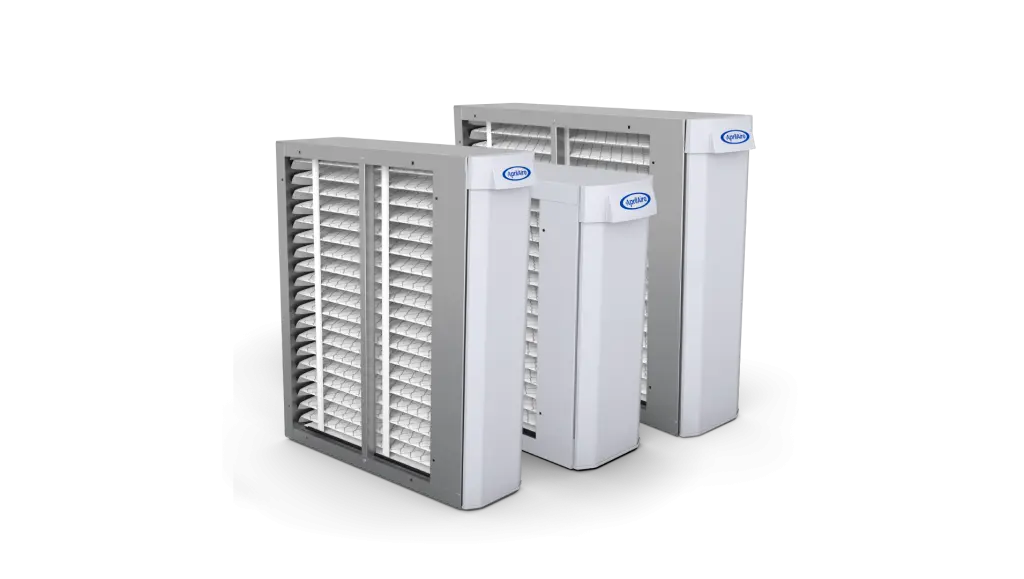
Air purifiers are rated for specific room sizes, usually measured in square feet. Measure the room where you’ll use the purifier and choose a model that can handle that space. Using an undersized purifier won’t effectively clean your air.
Clean Air Delivery Rate (CADR)
The CADR tells you how quickly an air purifier can clean the air. Higher numbers mean faster cleaning. Look for CADR ratings for dust, smoke, and pollen. A good rule of thumb is to choose a CADR that’s at least two-thirds of your room’s area.
Filter Type
Consider what you want to remove from your air. For allergens, a HEPA filter is essential. For odors and gases, look for activated carbon. For germs, consider UV technology. Many high-quality air purifiers combine multiple filter types.
Noise Level
Air purifiers can be noisy, especially at higher speeds. If you’ll use it in a bedroom or living room, look for models with quiet operation. Many air purifiers list their decibel levels, with 30-50 dB being relatively quiet.
Energy Efficiency
Air purifiers run continuously, so energy usage matters. Look for ENERGY STAR certified models, which use less electricity. Also consider the cost of replacement filters, which can add up over time.
Additional Features
Some helpful features include:
- Air quality sensors that adjust settings automatically
- Filter replacement indicators
- Timer functions
- Remote controls or smartphone apps
- Night mode for quieter operation during sleep
Maintenance Tips for Your Air Purifier
To keep your air purifier working effectively, regular maintenance is essential. Here are some tips to keep your air purifier in top condition:
Regular Filter Replacement
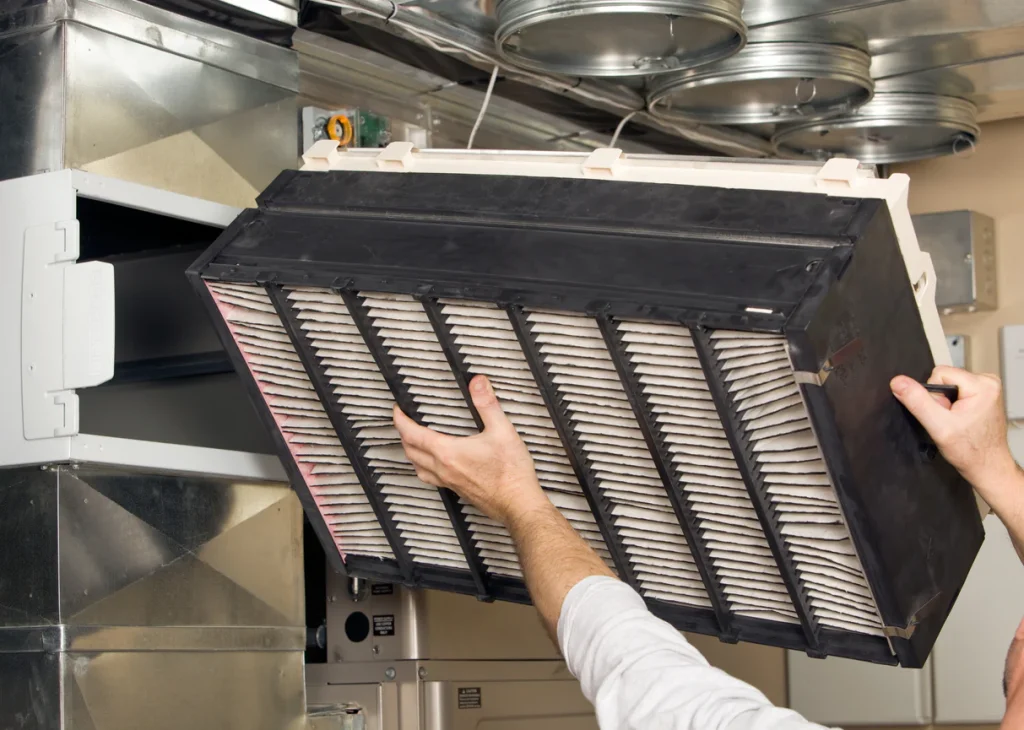
The most important maintenance task is replacing filters on schedule. HEPA filters typically need replacement every 6-12 months, while carbon filters may need changing every 3-6 months. Follow the manufacturer’s recommendations for your specific model.
Clean the Pre-filter
Many air purifiers have washable pre-filters that catch larger particles before they reach the main filter. Clean these every 2-4 weeks by vacuuming or washing according to the instructions. This extends the life of your main filter.
Wipe Down the Exterior
Dust can build up on the outside of your air purifier and get recirculated into the air. Wipe down the exterior with a damp cloth regularly. Make sure the unit is unplugged before cleaning.
Check Air Intake and Output Vents
Make sure these aren’t blocked by furniture, curtains, or other objects. Your air purifier needs good airflow to work properly. Keep at least 1-2 feet of clear space around the unit.
Run Your Air Purifier Continuously
For best results, run your air purifier 24/7. Most are designed for continuous operation, and turning them off allows pollutants to build up again. Modern air purifiers are energy-efficient, especially when run on lower settings.
Frequently Asked Questions About Air Purifiers
Do air purifiers really work?
Yes, air purifiers do work, but their effectiveness depends on the type and quality of the unit. High-quality air purifiers with HEPA filters have been scientifically proven to remove up to 99.97% of airborne particles. Many users report significant improvements in allergy symptoms and overall air quality after using air purifiers.
How long does it take for an air purifier to clean a room?
Most air purifiers can clean the air in a standard-sized room within 30 minutes to 2 hours. The exact time depends on the room size, the air purifier’s CADR rating, and how dirty the air is to begin with. For continuous clean air, it’s best to leave your air purifier running all the time.
Where should I place my air purifier?
Place your air purifier where you spend the most time or where air quality concerns are highest. Bedrooms are popular locations since we spend about a third of our lives sleeping. Keep the purifier at least 3-5 feet off the ground and away from walls or furniture that could block airflow. Avoid corners, behind curtains, or under shelves.
Are air purifiers worth the money?
For many people, especially those with allergies, asthma, or other respiratory conditions, air purifiers are definitely worth the investment. They can significantly improve indoor air quality and reduce symptoms. Even for those without health concerns, air purifiers can create a fresher, cleaner home environment. Consider it an investment in your health and comfort.
How much electricity do air purifiers use?
Most modern air purifiers are energy-efficient, using between 30 and 100 watts of power. This is about the same as a light bulb. Running an air purifier 24/7 typically costs between $30-$50 per year in electricity, depending on your local rates and the specific model. ENERGY STAR-certified models use even less power.
Can I use air purifiers with pets?
Air purifiers are especially helpful for pet owners! They can remove pet dander, fur, and odors from the air. If you have pets, look for air purifiers with strong HEPA filters and activated carbon for odor control. Place the purifier in areas where your pets spend the most time for best results.
Ready to Breathe Cleaner Air with Air Purifiers?
Air purifiers offer a simple yet effective way to improve the air quality in your home. From removing allergens and pet dander to eliminating odors and reducing dust, these devices can make a noticeable difference in how you feel and breathe indoors.
When choosing an air purifier, remember to consider your specific needs, room size, and the types of pollutants you want to remove. Regular maintenance will ensure your air purifier continues to work effectively for years to come.
Ready to experience cleaner, fresher air in your home? Consider investing in a high-quality air purifier today. Your lungs—and your dust cloth—will thank you! Book a consultation with Harmon Mechanical to find the perfect air purifier for your home and start breathing easier tomorrow.