


A heat pump and an air conditioner both keep your home cool in summer, but they work differently. Heat pumps move heat from inside your home to outside, while also being able to reverse this process in winter. Traditional AC units only cool your home and can’t provide heat.
In summer, both systems can keep your home equally cool, but heat pumps are generally more energy-efficient and cost less to run. Your best choice depends on your climate, budget, and whether you need both heating and cooling.
How Heat Pumps and ACs Work in Summer
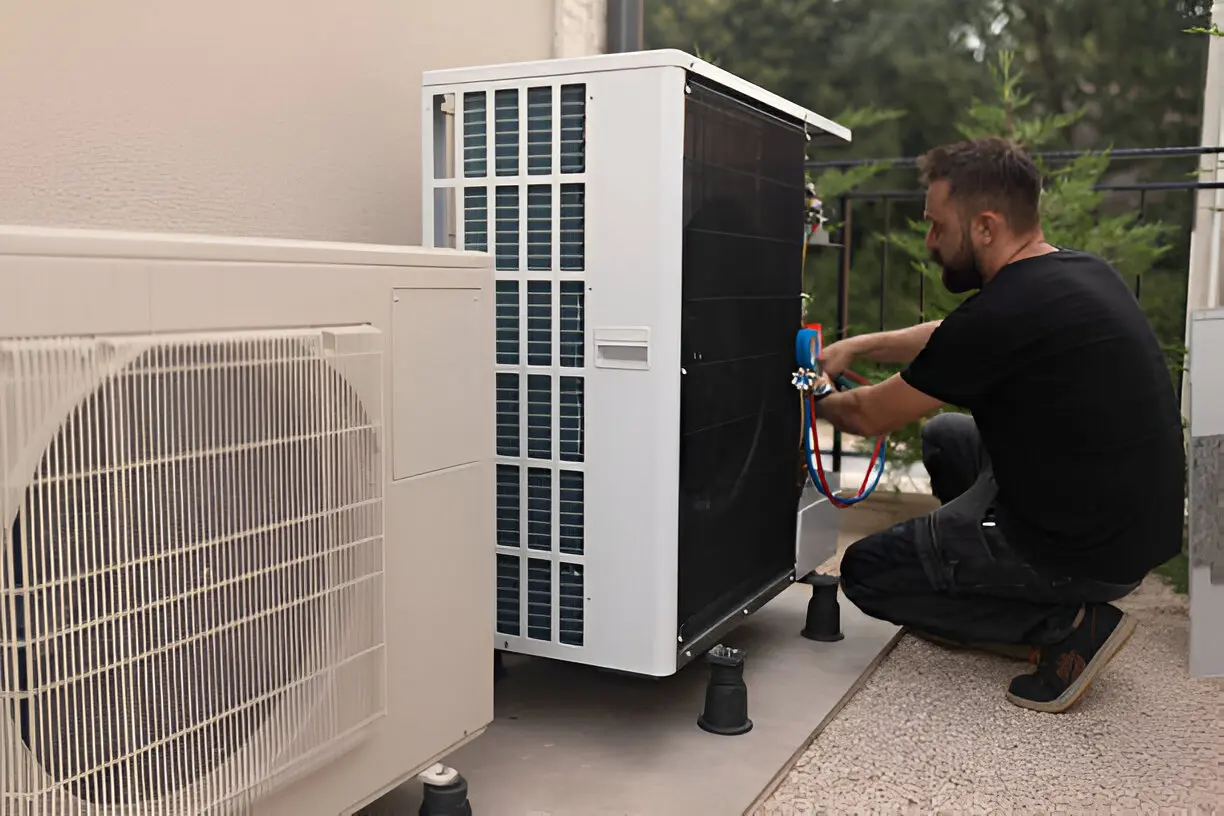
When comparing a heat pump vs AC in summer, it helps to understand how each system works. Both use refrigerant to cool your home, but with key differences.
How Air Conditioners Work
Traditional air conditioners have one job: cooling. They pull warm air from your home, pass it over cold evaporator coils filled with refrigerant, and blow the cooled air back into your living spaces.
The refrigerant absorbs heat from inside air and releases it outside through the condenser unit. This one-way process is very effective at cooling but can’t be reversed to provide heat in winter.
How Heat Pumps Work
Heat pumps are more versatile. In summer, they work exactly like air conditioners, removing heat from your home and releasing it outside. The cooling process is identical to an AC unit.
The big difference is that heat pumps can reverse this process in winter. They extract heat from the outside air (yes, even cold air contains some heat) and move it inside your home. This dual functionality makes heat pumps a year-round climate control solution.
The Key Difference
Think of it this way: an air conditioner is like a one-way street for heat, always moving it from inside to outside. A heat pump is like a two-way street, moving heat in either direction depending on the season.
During summer months, both systems perform the same cooling function using similar components and processes. The refrigerant cycle, fans, and cooling coils all work the same way when cooling is needed.
Cooling Performance Comparison
When it comes to keeping your home cool in hot weather, how does a heat pump vs AC in summer actually compare? Let’s look at what matters most: cooling power and comfort.
Cooling Capacity
Both heat pumps and air conditioners are rated by their cooling capacity, measured in BTUs (British Thermal Units) or tons. One ton equals 12,000 BTUs per hour.
For the same size and rating, a heat pump and air conditioner will provide identical cooling capacity. A 3-ton heat pump cools just as effectively as a 3-ton air conditioner. Both systems can be sized to cool homes of any size.
Temperature Control and Comfort
Modern heat pumps and air conditioners both offer excellent temperature control. With programmable thermostats, both systems can maintain your desired temperature within 1-2 degrees.
Some people believe air conditioners cool more effectively in extreme heat, but this isn’t necessarily true. A properly sized heat pump will cool just as well as an AC unit of the same capacity, even during heat waves.
Dehumidification
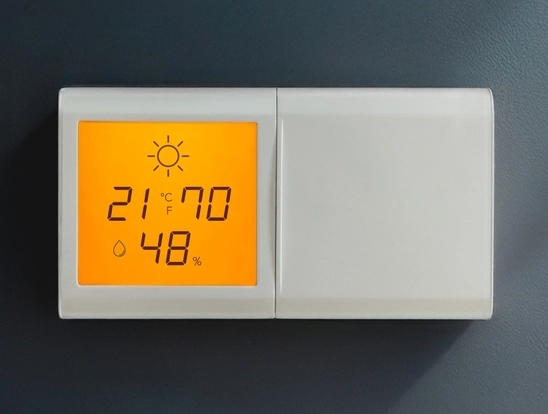
Both systems remove humidity while cooling, which is important for comfort. However, traditional air conditioners sometimes have a slight edge in very humid climates.
Some newer heat pump models have enhanced dehumidification features that close this gap. If you live in a very humid area, look for models specifically designed with improved moisture removal.
Energy Efficiency and Cost Differences
The heat pump vs AC in summer comparison gets really interesting when we talk about energy use and costs. This is where the differences become more noticeable.
Energy Efficiency Ratings
Both systems use efficiency ratings called SEER (Seasonal Energy Efficiency Ratio). Higher SEER numbers mean better efficiency.
Modern heat pumps typically have SEER ratings between 14 and 22, while air conditioners usually range from 13 to 21. Heat pumps often achieve higher efficiency ratings because they’re designed to optimize energy use year-round.
Summer Operating Costs
Heat pumps generally use less electricity for cooling than traditional air conditioners. Studies show heat pumps can be 30-40% more efficient in cooling mode.
For example, cooling a 2,000-square-foot home might cost $150 per month with a standard AC but only $100 with an efficient heat pump. These savings add up quickly during hot summers.
Initial Purchase Costs
Heat pumps typically cost more upfront than air conditioners. A new heat pump system might cost $4,000-$8,000, while a comparable AC unit might be $3,000-$7,000.
However, if you need both heating and cooling, a heat pump can be more economical than buying a separate AC and furnace. This combined functionality often makes heat pumps the better long-term value.
Lifetime Value Comparison
Here’s a simple comparison table showing the typical costs over a 15-year lifespan:
| Cost Factor | Heat Pump | Air Conditioner |
|---|---|---|
| Initial Purchase | $5,000-$8,000 | $3,000-$7,000 |
| Annual Cooling Costs | $300-$600 | $400-$800 |
| Heating Solution | Included | Separate furnace needed ($3,000-$5,000) |
| 15-Year Total Cost | $9,500-$17,000 | $12,000-$24,000 (with furnace) |
Installation and Maintenance Considerations
When weighing heat pump vs AC in summer, installation and maintenance factors play an important role in your decision.
Installation Requirements
Both systems require professional installation and similar components: an outdoor unit, an indoor air handler or evaporator coil, and ductwork (unless you choose a ductless mini-split option).
Heat pumps sometimes need additional wiring for the reversing valve that switches between heating and cooling modes. This can make installation slightly more complex.
If you’re replacing an existing system, switching from AC to a heat pump might require some electrical upgrades, especially if your home has an older electrical panel.
Maintenance Needs
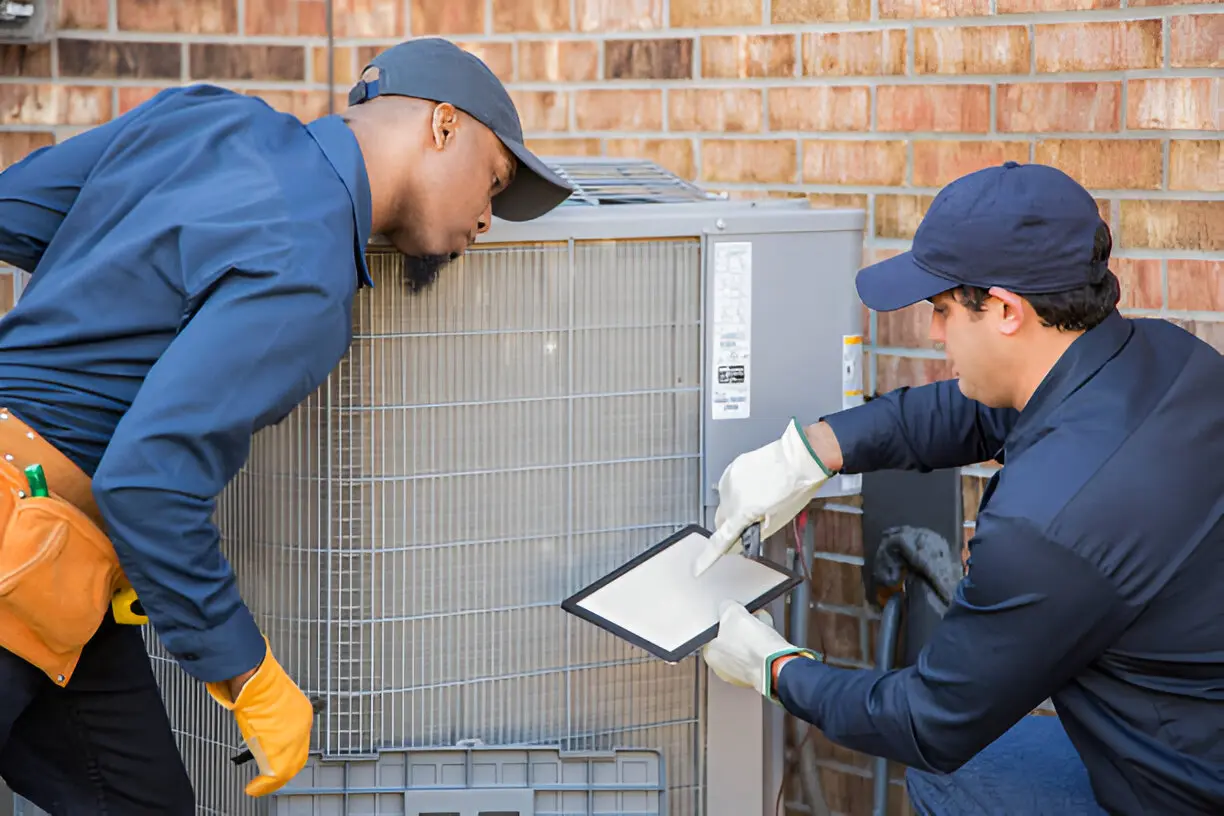
Both systems need regular maintenance:
- Annual professional tune-ups
- Monthly air filter changes
- Keeping outdoor units clear of debris
- Occasional cleaning of condenser coils
Heat pumps may require slightly more maintenance because they run year-round rather than just during the cooling season. However, the difference is minimal for most homeowners.
System Lifespan
Air conditioners typically last 15-20 years with proper maintenance. Heat pumps often have slightly shorter lifespans of 12-15 years because they operate year-round.
However, newer heat pump models are becoming more durable. Many manufacturers now offer similar warranties for both types of systems, suggesting increasing confidence in heat pump longevity.
Climate Suitability Factors
Your local climate plays a huge role in the heat pump vs AC in summer decision. Different systems perform better in different environments.
Hot Climate Performance
In very hot climates (like the southern United States), both systems work well for cooling. Modern heat pumps have improved significantly and now perform excellently even in extreme heat.
If summer temperatures regularly exceed 95°F (35°C), look for systems with high SEER ratings regardless of which type you choose. Both heat pumps and ACs with SEER ratings of 16+ will provide efficient cooling in hot weather.
Humid Climate Considerations
In very humid areas, traditional air conditioners sometimes have a slight edge in moisture removal. However, many newer heat pump models include enhanced dehumidification features.
If humidity control is a major concern, look for systems with variable-speed fans and two-stage compressors, available in both heat pumps and air conditioners.
Mild Climate Advantages
In regions with mild summers and winters, heat pumps offer the greatest advantages. They provide efficient cooling in summer and can handle all heating needs in winter without requiring a separate furnace.
Areas with moderate temperatures (like the Pacific Northwest or parts of the Northeast) are ideal for heat pumps, where their efficiency advantages are maximized.
Extreme Climate Limitations
In regions with extremely cold winters, traditional heat pumps become less efficient for heating when temperatures drop below freezing. However, this doesn’t affect their summer cooling performance.
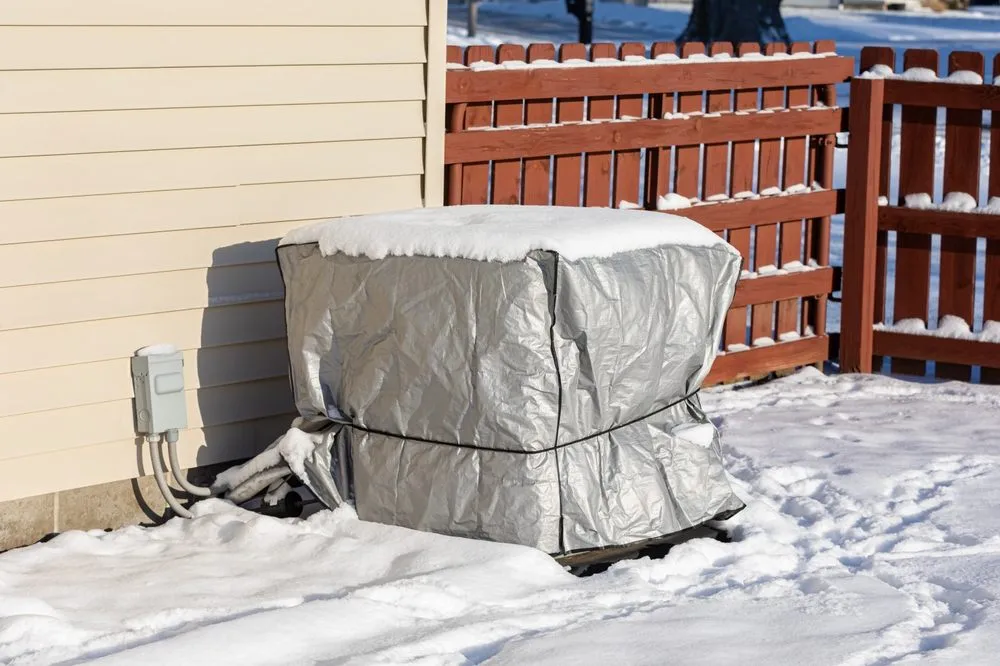
If you live somewhere with very cold winters but still want a heat pump, consider:
- Cold-climate heat pump models specifically designed for extreme temperatures
- Dual-fuel systems that pair a heat pump with a backup gas furnace
Making the Right Choice for Your Home
With all these factors in mind, how do you decide between a heat pump vs AC in summer for your specific situation? Here’s a practical approach.
When to Choose a Heat Pump
A heat pump makes the most sense when:
- You need both heating and cooling
- You currently heat with expensive electric resistance, propane, or oil
- You live in a mild or moderate climate
- Energy efficiency is a top priority
- You’re interested in reducing your carbon footprint
Heat pumps are especially valuable if you’re replacing both a furnace and air conditioner, as you’ll only need to purchase and maintain one system instead of two.
When to Choose an Air Conditioner
A traditional AC might be better when:
- You already have an efficient gas furnace in good condition
- You’re on a tight budget for the initial purchase
- You live in an extremely hot climate, and cooling is your main concern
- Your local electricity rates are very high
If your existing heating system is working well and you only need to replace your cooling system, a standard AC unit might be the more economical choice.
Financial Considerations
Don’t forget to check for incentives that might influence your decision:
- Federal tax credits often favor heat pumps as energy-efficient alternatives
- Utility company rebates may be available for high-efficiency systems
- State or local incentives might reduce the cost difference
These incentives can sometimes make a heat pump the more affordable option, even with its higher initial price tag.
Future-Proofing Your Home
Consider long-term factors in your decision:
- Energy prices will likely continue rising, making efficiency more valuable
- Climate change may lead to hotter summers, increasing cooling demands
- Heat pumps support electrification trends and can pair with solar power
A heat pump might be the better long-term investment even if the initial cost is higher, especially if you plan to stay in your home for many years.
Frequently Asked Questions
Is a heat pump or AC better for summer cooling?
For summer cooling performance alone, heat pumps and air conditioners are equally effective when properly sized for your home. Both will keep your home comfortable even on the hottest days. However, heat pumps are typically more energy-efficient in cooling mode, which can lower your summer utility bills.
Do heat pumps cost more to run in summer than AC?
No, heat pumps actually cost less to run in summer than traditional air conditioners. Heat pumps are designed for year-round efficiency and typically use 30-40% less electricity when cooling. The summer operating cost advantage is one of the strongest points in favor of heat pumps.
How much more expensive is a heat pump than an AC?
Heat pumps typically cost $1,000-$2,000 more than comparable air conditioners for initial purchase and installation. However, if you need both heating and cooling, a heat pump can save you money compared to buying separate AC and furnace systems. Many homeowners recoup the higher initial cost through energy savings within 5-7 years.
Can a heat pump cool a house as well as an AC?
Yes, a properly sized heat pump will cool your house just as effectively as an air conditioner with the same capacity rating. Both systems use the same cooling process and can maintain identical comfort levels. The cooling performance difference between a heat pump vs AC in summer is negligible for most homes.
Do heat pumps struggle in extreme heat?
Modern heat pumps perform well even in extreme heat. While very early heat pump models sometimes struggled in temperatures above 95°F, today’s units are designed to maintain efficiency even during heat waves. If you live in an extremely hot climate, simply choose a heat pump with a high SEER rating (18+) for optimal performance.
How long do heat pumps last compared to air conditioners?
Heat pumps typically last 12-15 years, while air conditioners often last 15-20 years. The slightly shorter lifespan of heat pumps is because they operate year-round rather than just during the cooling season. However, with proper maintenance, many heat pumps exceed their expected lifespan, and newer models are becoming increasingly durable.
Ready to Choose the Right Cooling System?
When comparing a heat pump vs AC in summer, both systems will keep your home cool and comfortable. Heat pumps offer greater energy efficiency and year-round functionality, while traditional air conditioners may cost less upfront if you already have a good heating system.
Your best choice depends on your specific needs, climate, and budget. Consider all the factors we’ve discussed, including cooling performance, energy efficiency, installation requirements, and climate suitability.
Ready to upgrade your home’s cooling system? Contact Harmon Mechanical today for a personalized assessment of your home’s needs. We can help you determine whether a heat pump or air conditioner is the right choice for your comfort, efficiency goals, and budget. Schedule your consultation now and stay cool all summer long!