


Table of Contents
What Is an HVAC Condenser Coil, and Why Is It Important?
An HVAC condenser coil is a key part of your air conditioning system that helps remove heat from your home. It sits inside the outdoor unit of your AC system. The condenser coil works by taking the hot refrigerant gas from inside your home and cooling it down to a liquid. This process is what makes the air in your home feel cool and comfortable.
Without a working condenser coil, your air conditioner can’t do its job. When the coil gets dirty or damaged, your AC has to work harder, uses more electricity, and might break down sooner. Taking care of your HVAC condenser coil helps your system run better and last longer.
Think of the condenser coil like the radiator in your car. Just as a car’s radiator helps keep the engine from overheating, the condenser coil helps remove heat from your home. It’s a simple but very important part of keeping your home comfortable.
How Does an HVAC Condenser Coil Work?
The HVAC condenser coil works as part of the cooling cycle in your air conditioning system. Let’s break down this process into simple steps:
The Basic Cooling Cycle
1. First, warm air from your home passes over the evaporator coil inside your house.
2. The refrigerant in the evaporator coil absorbs heat from this air, making the air cooler.
3. This cooler air is then blown back into your home.
4. The refrigerant, now heated up, travels as a gas to the outdoor unit where the condenser coil is located.
5. The condenser coil releases this heat outside.
6. As the heat leaves, the refrigerant cools down and turns back into a liquid.
7. The cycle then starts over again.
The Role of the Condenser Coil
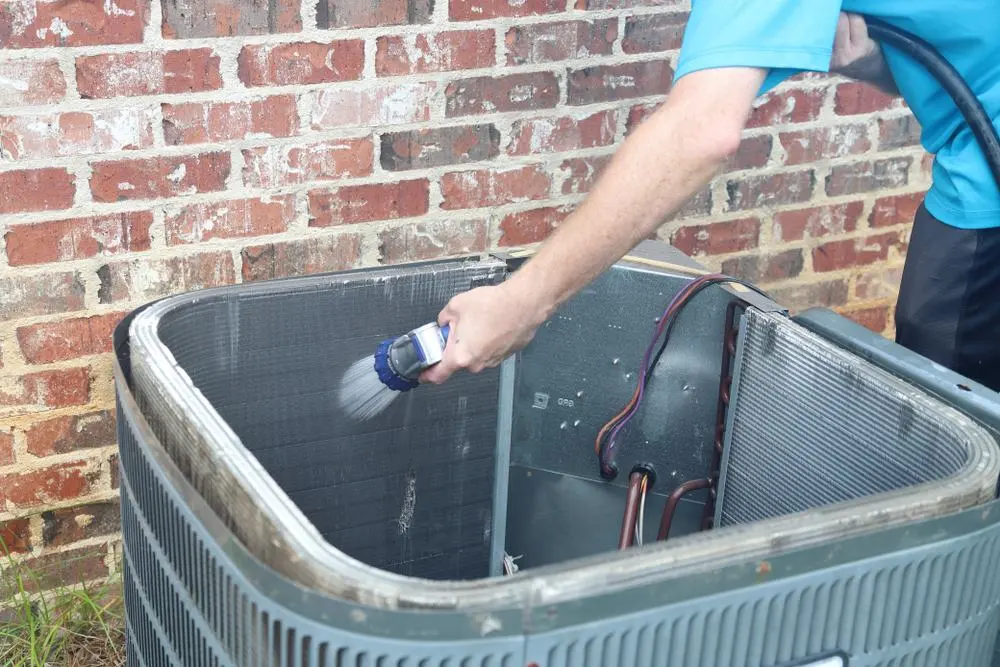
The HVAC condenser coil is made of copper, aluminum, or sometimes both. These metals are good at transferring heat. The coil is shaped like a series of tubes with fins attached to them. This design gives the coil a large surface area to release heat more effectively.
A fan in the outdoor unit blows air across the condenser coil to help it release heat faster. This is why you feel warm air coming out of your AC’s outdoor unit when it’s running.
Why Efficiency Matters
When your condenser coil works well, your AC system uses less energy to cool your home. This means lower electric bills for you! A clean, well-maintained condenser coil can help your AC system use up to 30% less energy compared to a system with a dirty coil.
Think of it as trying to cool down after exercise. If you’re wearing a heavy jacket (like a dirty coil), it’s harder to cool off. But if you’re wearing a light t-shirt (like a clean coil), you can cool down much faster and with less effort.
Signs Your Condenser Coil Needs Attention
Your HVAC condenser coil might need help if you notice any of these warning signs. Catching problems early can save you money and keep your home comfortable.
Reduced Cooling Performance
If your home isn’t getting as cool as it used to be, your condenser coil might be the problem. You might notice:
– Your AC runs longer than usual but doesn’t cool well
– Some rooms feel warmer than they should
– The air coming from your vents isn’t as cold as normal
When the condenser coil can’t release heat properly, your whole system struggles to cool your home. It’s like trying to run with a heavy backpack – you can still move, but not as well as you could without the extra weight.
Higher Energy Bills
A dirty or damaged HVAC condenser coil makes your system work harder. This extra work shows up on your electric bill. If your bill suddenly jumps up during the cooling season, and you haven’t changed how you use your AC, check your condenser coil.
Studies show that dirty condenser coils can increase energy use by 20-40%. That means if your normal summer cooling costs are $200 per month, a dirty coil could push that up to $240-$280!
Strange Noises or Smells
Your AC should run fairly quietly. If you hear hissing, bubbling, or banging sounds from your outdoor unit, the condenser coil might have problems. These sounds can mean:
– Refrigerant leaks (hissing)
– Blockages in the coil (bubbling)
– Loose parts hitting the coil (banging)
You might also notice unusual smells. A musty smell could mean mold is growing on the coil. A burning smell might indicate overheating due to a very dirty coil.
Visible Ice or Frost
If you see ice forming on your outdoor unit, especially around the condenser coil, something is wrong. A properly working coil should never freeze up. Ice usually means:
– Restricted airflow
– Low refrigerant levels
– A failing coil
Ice on your condenser coil is like putting a winter coat on your AC – it can’t release heat properly and will eventually stop working completely.

How to Clean and Maintain Your Condenser Coil
Keeping your HVAC condenser coil clean helps your air conditioner work better and last longer. Here’s how to take care of it yourself and when to call a pro.
DIY Cleaning Steps
You can clean your condenser coil yourself with a few simple tools. Always turn off the power to your AC unit before starting!
- Turn off the power: Find the disconnect box near your outdoor unit and turn it off. Also turn off the breaker to the unit in your home’s electrical panel.
- Remove debris: Clear leaves, grass, and other debris from around the unit. Make sure there’s at least 2 feet of clear space around all sides.
- Remove the outer cover: Most units have a top panel that can be lifted off after removing a few screws.
- Vacuum the coil: Use a soft brush attachment on your vacuum to gently remove dust and dirt from the coil. Work from top to bottom.
- Spray with coil cleaner: Buy a no-rinse foaming coil cleaner from a hardware store. Spray it on the coil following the product directions.
- Reassemble and wait: Put the cover back on, wait about an hour for the cleaner to work and the coil to dry, and then restore power.
Regular Maintenance Schedule
To keep your HVAC condenser coil in top shape, follow this simple schedule:
- Monthly: Check for and remove debris around the outdoor unit
- Quarterly: Inspect the coil for visible dirt and clean it if needed
- Annually: Do a thorough cleaning or have a professional service
If you live in a dusty area or have lots of trees or plants near your unit, you might need to clean more often. Pets that shed can also make your coil get dirty faster.
When to Call a Professional
While basic cleaning is something most homeowners can handle, some situations call for professional help:
– If the coil is deeply clogged with dirt that won’t come off with gentle cleaning
– If you notice any bent or damaged fins on the coil
– If there’s any sign of refrigerant leaks (oil spots or hissing sounds)
– If your unit isn’t cooling well even after cleaning
– If it’s been more than 2 years since a professional service
Professional HVAC technicians have special tools like high-pressure washers and fin combs that can clean more thoroughly without damaging the delicate parts of your condenser coil.

Common Problems with Condenser Coils
HVAC condenser coils can develop several problems over time. Understanding these issues can help you spot them early and fix them before they cause bigger problems.
Dirt and Debris Buildup
The most common problem with condenser coils is dirt buildup. Your outdoor unit pulls in air all day, and with that air comes:
– Dust and pollen
– Grass clippings
– Leaves and twigs
– Cotton from trees or dandelions
– Pet hair
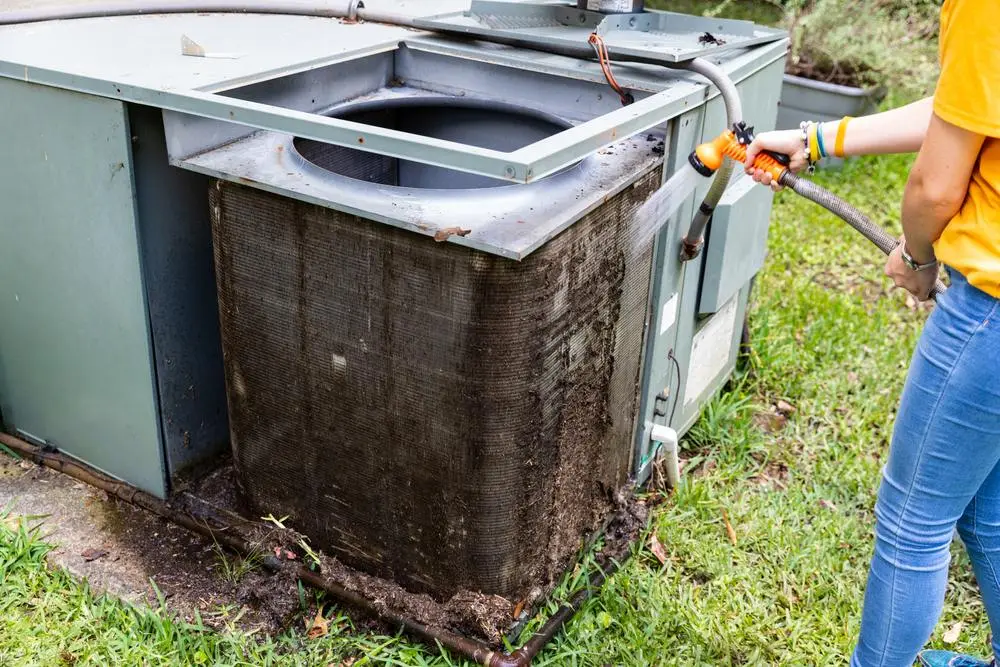
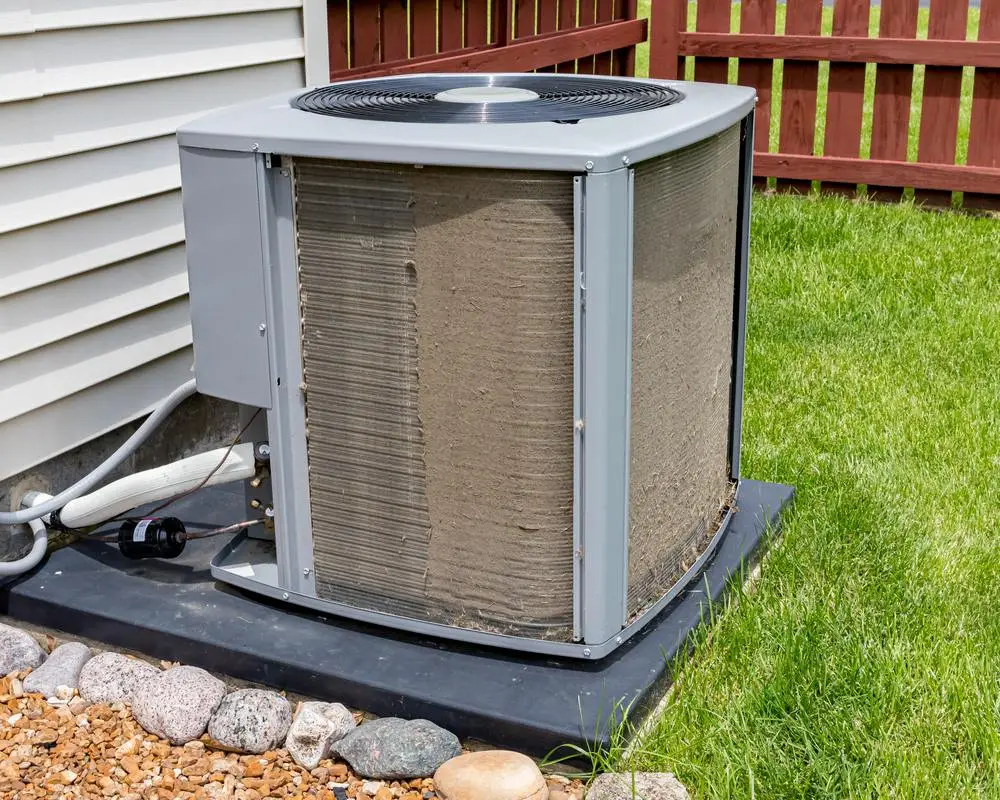
This dirt acts like a blanket on your coil, making it harder for heat to escape. Even a thin layer of dirt (just 0.01 inches) can reduce your AC’s efficiency by 21%! Regular cleaning helps prevent this problem.
Bent or Damaged Fins
The aluminum fins on your condenser coil are very thin and can bend easily. Hail, sticks, lawn mowers, or even pressure washing can damage these fins. When fins get bent, they block airflow and reduce your system’s efficiency.
You can sometimes fix bent fins with a “fin comb” tool that straightens them. But if many fins are damaged, you might need professional help.
Refrigerant Leaks
The HVAC condenser coil contains refrigerant that moves heat from inside your home to outside. Over time, the coil can develop tiny leaks. Signs of a refrigerant leak include:
– Reduced cooling
– Hissing sounds
– Ice forming on the coil
– Oil spots near the unit
Refrigerant leaks are serious problems that require professional repair. The refrigerant is harmful to the environment and can be dangerous, so never try to fix leaks yourself.
Corrosion Issues
Condenser coils can corrode over time, especially in areas near the ocean or with air pollution. Salt air, acid rain, and certain chemicals can eat away at the metal. Corrosion weakens the coil and can lead to leaks.
Some newer units have special coatings to resist corrosion. If you live in a coastal area, look for these protected units when replacing your system.
When to Replace vs. Repair Your Condenser Coil
Sometimes, fixing your HVAC condenser coil makes sense, but other times, replacement is better. Here’s how to decide what’s right for your situation.
Age Considerations
The age of your AC system is a big factor in this decision:
– If your system is less than 8 years old, repairing the condenser coil often makes sense.
– If your system is 10-15 years old, replacement might be better, especially if you have other problems too.
– If your system is over 15 years old, most experts recommend replacing the whole unit rather than just the coil.
Newer systems are much more energy-efficient. A new unit might cost more upfront but save you money on energy bills over time.
Cost Comparison
Let’s look at the typical costs to help you decide:
- Repairing a condenser coil: $150-$1,000 depending on the problem
- Replacing just the coil: $900-$2,800
- Replacing the whole outdoor unit: $3,000-$5,500
- Replacing the entire HVAC system: $5,000-$10,000
If the repair cost is more than 50% of a new unit’s price, replacement is usually the better choice. Also consider that a repaired old unit will still be less efficient than a new one.
Energy Efficiency Benefits
New HVAC systems with modern condenser coils are much more efficient than older models:
– A 10-year-old system might have a SEER rating of 10
– New systems today have SEER ratings of 14-22
This difference means a new system could use 30-50% less energy to cool your home. For a typical home, this could save $200-$500 per year on cooling costs.
Newer systems also use newer refrigerants that are better for the environment than the ones in older systems.
Making the Final Decision
Here are some final tips to help you decide between repair and replacement:
– Get at least three quotes from different HVAC companies
– Ask about warranty coverage (new units typically have 5-10 year warranties)
– Consider any tax credits or utility rebates for energy-efficient systems
– Think about how long you plan to stay in your home
Remember that your HVAC condenser coil is just one part of a system. Sometimes fixing one part can put stress on other components. A good HVAC technician can help you understand if fixing your coil might lead to other problems down the road.
Frequently Asked Questions About HVAC Condenser Coils
How often should I clean my HVAC condenser coil?
A light cleaning every 3 months and a deep clean once a year is recommended. If you live in a dusty area or near trees, more frequent cleaning may be needed.
What happens if my condenser coil is dirty?
A dirty condenser coil forces your system to work harder, raising your energy bills and increasing wear. It can also reduce cooling performance and cause the system to overheat or shut down.
Can I clean my condenser coil myself?
Yes, basic cleaning like clearing debris and using a no-rinse foam cleaner can be DIY. However, for deeper cleaning or if you notice ice, leaks, or damage, call a professional.
What are the signs that my condenser coil needs maintenance or repair?
Common signs include warm airflow, longer cooling cycles, unusual noises, visible frost, or a sudden spike in energy bills.
When should I replace my HVAC condenser coil instead of repairing it?
If the coil is badly corroded, leaking refrigerant, or your AC system is over 10–15 years old, replacement is often more cost-effective than repair.
Take Action to Protect Your HVAC Condenser Coil Today
Your HVAC condenser coil plays a big role in keeping your home comfortable and your energy bills manageable. By understanding how it works and taking care of it properly, you can avoid costly repairs and extend the life of your entire AC system.
Remember these key points about your condenser coil:
– Regular cleaning helps it work better and use less energy
– Catching problems early can prevent bigger issues
– Sometimes repair makes sense, but replacement might be better for older systems
Don’t wait until your AC stops working on the hottest day of summer! Schedule a check-up for your system today. A professional can inspect your condenser coil, clean it properly, and spot any potential problems before they leave you sweating.
Ready to make sure your HVAC system is in top shape? Contact us today to schedule a professional inspection and cleaning of your condenser coil. Harmon Mechanical‘s experienced technicians will help keep your system running efficiently all year long. Your comfort is our priority!