


Ensure Maximum Efficiency
As homeowners, we rely on our HVAC systems for year-round comfort. But sometimes, energy bills creep up, or our homes don’t feel as comfortable. These are signs that your HVAC may be losing efficiency. Let’s explore why HVAC systems lose efficiency and how it impacts our wallets.
The Natural Aging Process of HVAC Systems
Like any mechanical system, HVAC units experience wear and tear. This gradual efficiency loss, while subtle at first, compounds over time, affecting performance and increasing energy consumption. This degradation affects indoor air quality and can contribute to frequent repairs if left unaddressed.
How Time Affects HVAC Components
Several HVAC components are prone to wear and tear. Compressors lose compression efficiency, reducing their effectiveness.
Motors become less efficient as bearings wear, requiring the motor to turn harder to deliver the same result. Coils accumulate dirt, hindering heat transfer. Refrigerant lines may develop leaks, reducing cooling capacity and causing a sudden spike in energy usage.
These problems develop gradually, often going unnoticed until they significantly impact system performance.
The Impact on Your Energy Bills
As HVAC systems lose efficiency, they consume more energy to maintain the same temperature. This leads to higher utility bills. Upgrading to an energy-efficient air conditioning unit, especially in residential HVAC applications, can lower your bills.
Common Culprits Behind Efficiency Loss
Natural aging contributes to efficiency loss, but other factors can accelerate it. These factors include clogged air filters, leaky ductwork, and refrigerant problems, all impacting your air conditioning and heat pump HVAC efficiency. Consider investing in a smart thermostat for better control and efficiency improvements.
Dirty Air Filters: The Silent Efficiency Killer
Dirty air filters restrict airflow. This forces your HVAC system to work harder, leading to reduced efficiency, frozen evaporator coils, and reduced air quality. Maintaining your evaporator coils can prevent energy drain from dirty coils, so ensuring air filters are kept clean is key.
A dirty air filter results in dirty air circulating and limits the ability of the HVAC equipment to release heat effectively, thus affecting the overall HVAC efficiency and requiring a potential HVAC repair service if neglected.
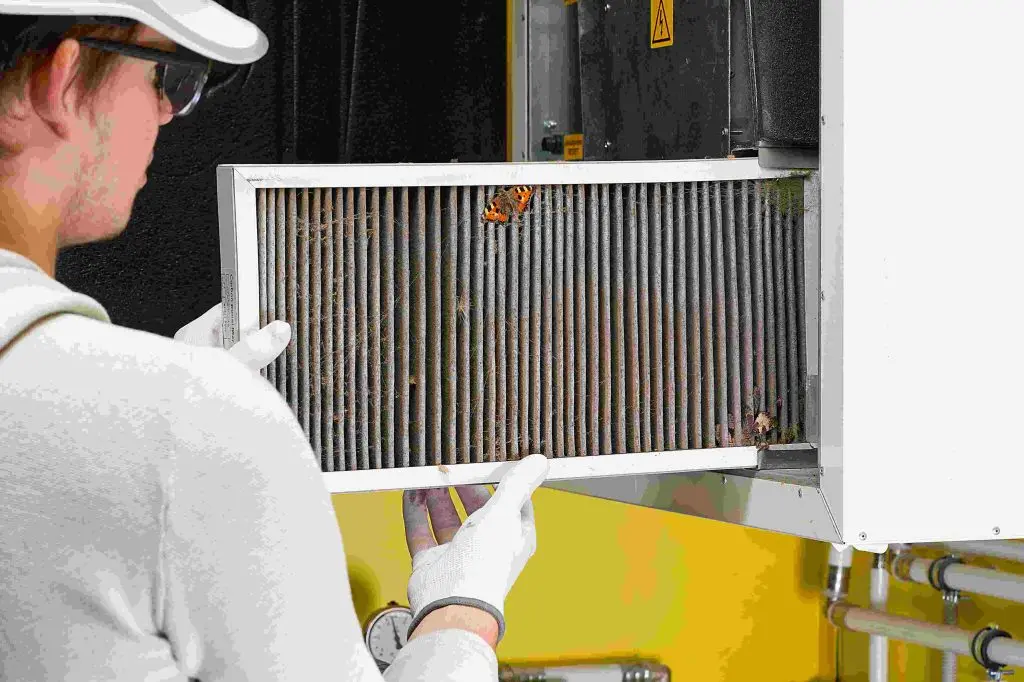
Check your air filters monthly and replace them as needed.
Leaky Ductwork: Wasting Energy in Hidden Spaces
Leaky ductwork wastes conditioned air. This significantly reduces your system’s efficiency and impacts comfort. Properly sealed air ducts play an important role in maximizing the system’s efficiency.
Refrigerant Issues: A Cool Problem with Hot Consequences
Low refrigerant levels due to leaks make your system work harder. If your system uses R-22 refrigerant (Freon), consider upgrading your AC unit to prevent issues.
The Hidden Dangers of Neglecting Maintenance
Regular HVAC maintenance is essential for optimal performance. Neglecting it accelerates efficiency loss and can lead to decreased air quality and higher energy bills. Preventative maintenance helps avoid costly HVAC repair down the line. Addressing maintenance concerns early will increase the life expectancy of your unit and avoid any sudden spike in repair costs. HVAC systems require regular maintenance and using the best air filters helps prevent damage from a clogged air filter. Preventative maintenance goes a long way, so always make sure you contact HVAC services.
The Compounding Effect of Minor Issues
Small, unaddressed HVAC problems can escalate into major issues. A loose belt, for example, can cause increased wear on other components. Regular maintenance and tune-ups by a skilled HVAC technician can alleviate these problems.
The False Economy of Skipping Tune-Ups
Skipping annual HVAC tune-ups can be costly. Regular maintenance prevents expensive repairs and maintains efficiency. Consider having an HVAC technician check thermostat settings to optimize performance. Annual checkups on your HVAC equipment will improve your system’s life expectancy, so schedule one soon.
- Identifies and addresses minor issues.
- Ensures all components function correctly.
- Extends your HVAC system’s life.
- Maintains and potentially improves efficiency.
When HVAC Systems Lose Efficiency: Signs It’s Time for an Upgrade
Sometimes, maintenance can’t restore an old system’s efficiency. If your system shows certain signs, an upgrade might be necessary.
- Your system is over 10-15 years old.
- Repairs are becoming frequent and expensive.
- Energy bills are consistently high.
- Some rooms are too hot or cold.
- Your system is noisy or struggles to maintain temperatures.
The Long-Term Benefits of Upgrading
Upgrading your air conditioner offers substantial long-term benefits, especially with rising energy bills. Installing high-efficiency AC units from a reliable AC installation service can make a difference. Modern systems improve comfort and air quality and address the increasing concern of how HVAC systems lose efficiency over time. Proper AC installation also plays a significant role in long-term efficient cooling. Newer systems offer better indoor air quality and are often quieter.
Choosing the Right System for Your Home
When upgrading your HVAC system, choose the right size for your home and family’s needs. Consider local climate and efficiency ratings (look for ENERGY STAR). An undersized or oversized air conditioning unit will negate efficiency, costing more in the long run. Contact a professional HVAC repair service for a thorough assessment.
- Home’s size and layout.
- Local climate conditions.
- Family’s comfort preferences.
- Energy efficiency ratings.
Proactive Steps to Maintain HVAC Efficiency
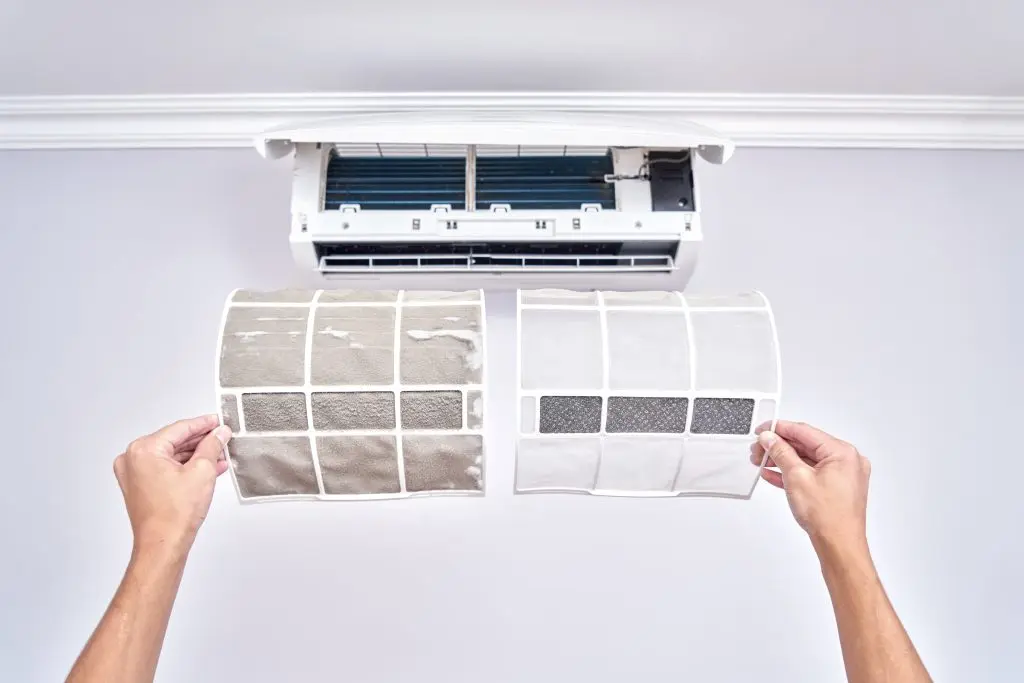
You can slow down efficiency loss with proper care. Regular cleaning and changes to air filters, particularly during peak cooling or heating seasons, improve your indoor air quality.
Regular DIY Maintenance
- Change air filters every 1-3 months.
- Keep the outdoor unit free from debris.
- Ensure vents and registers are not blocked.
- Clean visible dust from vents and returns.
Professional Maintenance
Schedule regular professional HVAC tune-ups, whether commercial HVAC or residential. Ensure your HVAC technician checks and cleans coils, and refrigerant levels, lubricates moving parts, inspects electrical connections, and calibrates the thermostat. Check the HVAC system’s condenser coil regularly to avoid efficiency issues. Clean evaporator coils improve efficiency, while dirty coils lead to energy loss.
Energy-Efficient Practices
- Use a programmable thermostat.
- Seal air leaks around windows and doors.
- Improve insulation.
- Use ceiling fans for air circulation.
The Role of Technology in Combating Efficiency Loss
Technology plays a vital role in managing HVAC efficiency. Smart thermostats help optimize energy usage by adjusting to your habits and can help prevent common problems. These are available for many HVAC systems including the packaged units.
Innovations in HVAC Technology
Variable-speed compressors and dual-fuel systems enhance HVAC efficiency. Geothermal heat pumps also offer excellent energy efficiency, all mitigating energy loss in HVAC systems.
- Variable-speed compressors.
- Dual fuel systems.
- Geothermal systems.
Conclusion
Understanding why HVAC systems lose efficiency is crucial for maintaining a comfortable and energy-efficient home. By understanding the factors contributing to decreasing efficiency, you can keep your HVAC system running in its best condition for years to come. While some efficiency loss is inevitable, regular maintenance and smart practices can significantly slow the process, whether you are using an air conditioning or heat pump.
Your HVAC system is an important investment. Proactive maintenance and awareness of efficiency loss signs ensure your home remains comfortable, regardless of the weather.
Contact us today for more information or to schedule a free consultation.