



Why Thermostat Replacement Matters
Is your home never quite the right temperature? Are your energy bills climbing higher each month? It might be time to replace your thermostat. This small device controls when your heating and cooling systems turn on and off, playing a crucial role in both comfort and energy efficiency.
From fixing temperature inconsistencies to saving on energy costs, a thermostat upgrade offers many benefits for homeowners. Let’s explore when it’s time to make the change and how to choose the right replacement.
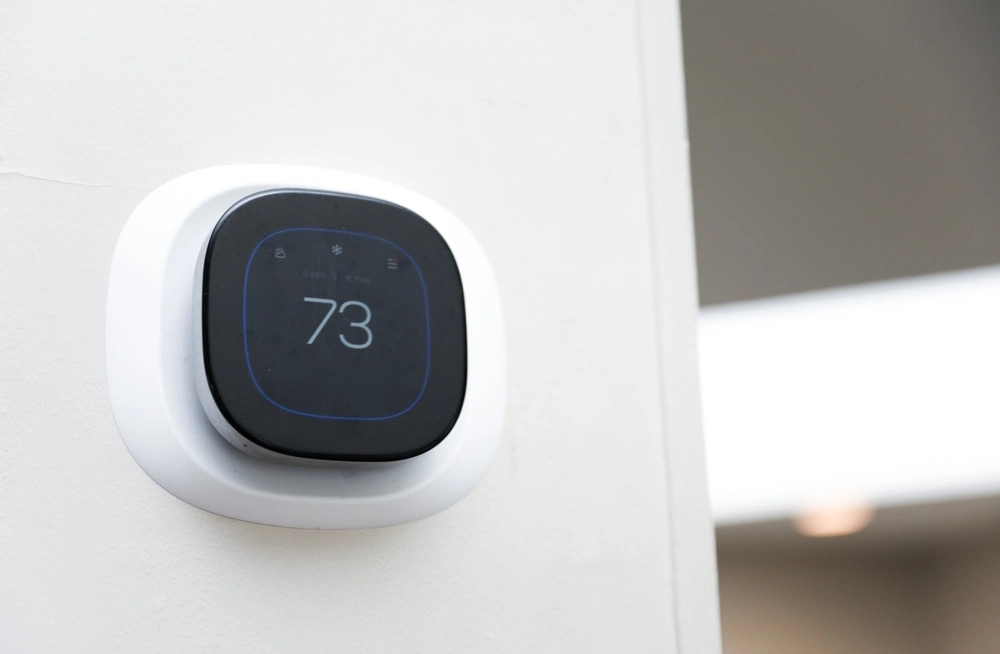
Signs It’s Time to Replace Your Thermostat
Not sure if you need to replace your thermostat? Here are key indicators that suggest it’s time for an upgrade:
Inaccurate Temperature Readings
Is your thermostat saying it’s 72°F while you’re shivering under a blanket? Inaccurate temperature readings are a clear sign of trouble. Your thermostat might be incorrectly calibrated or have failing sensors. When your device consistently shows temperatures that don’t match how your home actually feels, it’s probably time to replace your thermostat.
Frequent HVAC Cycling
Does your heating or cooling system turn on and off more frequently than it should? This inconsistent cycling often stems from thermostat problems. Short-cycling not only affects your comfort but also puts unnecessary strain on your HVAC system, potentially shortening its lifespan and driving up your energy costs.
System Unresponsiveness
When you adjust the temperature settings, your HVAC system should respond within a reasonable timeframe. If you notice significant delays or no response at all, your thermostat may be failing to communicate properly with your heating and cooling equipment. This breakdown in communication is a strong indicator that you need to replace your thermostat.
Age of Your Current Thermostat
| Thermostat Type | Average Lifespan | Signs of Aging |
| Manual/Basic Digital | 10-15 years | Stuck buttons, fading display |
| Programmable | 7-10 years | Programming errors, reset issues |
| Smart | 5-8 years | Connectivity problems, app failures |
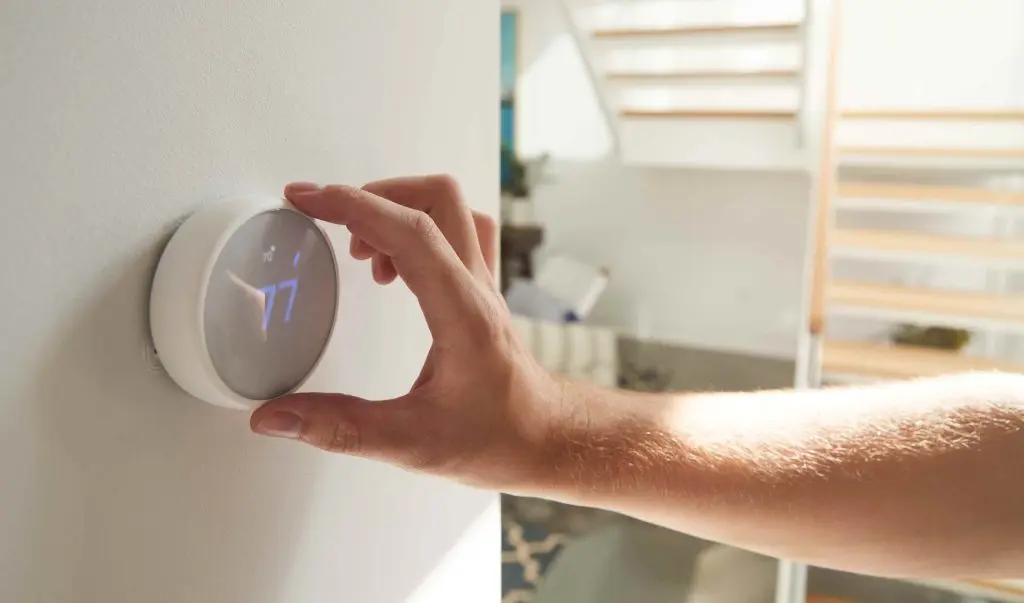
Most thermostats have a lifespan of about 10 years. If yours is approaching or exceeding this age, it’s wise to consider a replacement before problems arise. Older models lack the energy-saving features of newer options and may develop reliability issues as they age.
Rising Energy Bills
Have you noticed unexplained increases in your heating and cooling costs? An inefficient thermostat could be the culprit. When thermostats fail to regulate temperature properly, HVAC systems work harder than necessary. Replacing your thermostat with a more efficient model could help bring those bills back down.
Benefits of Replacing Your Thermostat
Deciding to replace your thermostat brings several advantages beyond just fixing a broken device:
Energy Savings
Modern thermostats are designed with efficiency in mind. Programmable and smart models can reduce energy usage by automatically adjusting temperatures based on your schedule. According to the U.S. Department of Energy, you can save up to 10% annually on heating and cooling by turning your thermostat back 7°-10°F for 8 hours a day. A new thermostat makes these adjustments effortless.
Improved Comfort
Newer thermostats provide more precise temperature control than older models. Many smart thermostats even learn your preferences and adjust accordingly. This means more consistent comfort throughout your home and fewer temperature fluctuations that leave you reaching for a sweater one minute and a fan the next.
Convenience Features
When you replace your thermostat with a modern model, you gain access to helpful features that make life easier:
- Remote control via smartphone apps
- Voice control through virtual assistants
- Maintenance reminders
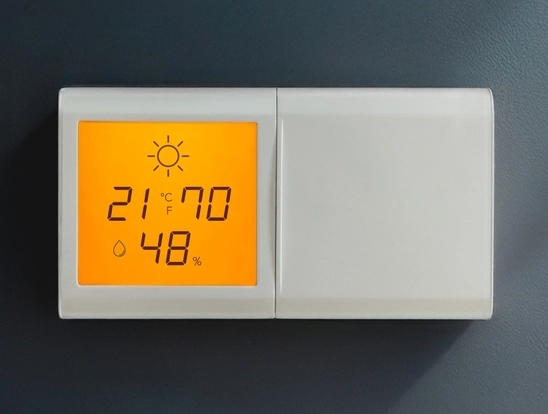
- Humidity monitoring
- Geofencing technology that adjusts settings when you leave or return home
System Protection
Advanced thermostats can help protect your expensive HVAC equipment. They operate more efficiently, reducing strain on your system and potentially extending its lifespan. Some models even alert you when maintenance is needed, helping prevent costly repairs.
Types of Thermostats to Consider
When you’re ready to replace your thermostat, you’ll find several options on the market:
Manual Thermostats
The simplest option available, manual thermostats require physical adjustment each time you want to change the temperature. While inexpensive (typically $15-$40), they lack the convenience and energy-saving benefits of programmable options. These are best for those on tight budgets or who prefer extremely simple controls.
Programmable Thermostats
These allow you to set temperature schedules for different times of day and days of the week. Most programmable models offer:
- 7-day programming (different settings for each day)
- 5+2 programming (weekday/weekend settings)
- 1-week programming (same schedule every day)
Priced between $25-$100, programmable thermostats are an excellent middle-ground option when you replace your thermostat.
Smart Thermostats
The most advanced option, smart thermostats connect to your home’s Wi-Fi network and offer remote control via smartphone apps. Many models learn your preferences and automatically adjust settings for optimal comfort and efficiency. Popular features include:
- Learning algorithms that adapt to your habits
- Geofencing to detect when you’re home
- Energy usage reports
- Integration with home automation systems
- Voice control compatibility
While more expensive ($100-$300), smart thermostats typically provide the greatest long-term energy savings and convenience when you replace your thermostat.
How to Choose the Right Thermostat for Your Home
Selecting the best thermostat replacement requires consideration of several factors:
HVAC System Compatibility
Not all thermostats work with all heating and cooling systems. Before you replace your thermostat, determine what type of HVAC system you have:
- Conventional systems (separate heating and cooling)
- Heat pumps
- Multi-stage systems
- Electric baseboard heating
- Radiant floor systems
Many modern thermostats are designed for conventional systems but may not work with heat pumps or baseboard heating. Check compatibility specifications carefully before making a selection.
Voltage Requirements
Thermostats operate on different voltages depending on your system:
- Low voltage (24V): Most common in homes with central heating and cooling
- Line voltage (120V or 240V): Used with electric baseboard heaters
- Millivolt: Found in some gas fireplaces and wall heaters
Using a thermostat with the wrong voltage can damage your HVAC system or create safety hazards. If you’re unsure about your system’s voltage, consult with a professional before you replace your thermostat.
Home Usage Patterns
Consider your household’s schedule and habits:
- Do you keep regular hours or have a variable schedule?
- Is your home frequently empty during weekdays?
- Do you travel often?
For homes with consistent schedules, a basic programmable thermostat may suffice. If your schedule varies or you want maximum convenience, a smart thermostat will better accommodate your lifestyle when you replace your thermostat.
DIY vs. Professional Installation
Once you’ve selected a new thermostat, you need to decide whether to install it yourself or hire a professional:
DIY Installation: Pros and Cons
Pros:
- Cost savings on labor
- Convenient scheduling
- Satisfaction of completing the project yourself
Cons:
- Risk of incorrect wiring
- Potential for HVAC system damage
- May void warranties if done incorrectly
Basic thermostat replacement is relatively straightforward for those with some DIY experience. However, if you have a complex HVAC system or limited electrical knowledge, professional installation may be the safer choice.
When to Call a Professional
Consider professional installation if:
- Your system has more than 4-5 wires
- You’re upgrading to a significantly different thermostat type
- Your home has a complex zoning system
- You’re uncomfortable working with electrical wiring
- Your HVAC warranty requires professional installation
Professional installation typically costs $100-$200 but includes proper setup, testing, and sometimes extended warranty benefits. For many homeowners, this peace of mind is worth the investment when they replace their thermostat.
Frequently Asked Questions
How much can I save by replacing my old thermostat?
The U.S. Department of Energy estimates that programmable thermostats can save up to 10% annually on heating and cooling costs. For the average American home, that translates to approximately $180 per year. Smart thermostats may provide even greater savings through their learning capabilities.
Can I replace my thermostat myself?
Many homeowners successfully replace basic thermostats as a DIY project. However, complex systems or upgrades from manual to smart thermostats often benefit from professional installation. If you’re uncomfortable working with wiring or unsure about compatibility, professional installation is recommended.
How long does it take to replace a thermostat?
A straightforward thermostat replacement typically takes 30-60 minutes. Complex systems or situations requiring additional wiring may take longer. Professional installations usually require about an hour from start to finish.
Will any thermostat work with my HVAC system?
No, not all thermostats are compatible with all HVAC systems. Before purchasing, check compatibility with your system type (conventional, heat pump, multi-stage), voltage requirements, and wiring configuration.
How often should I replace my thermostat?
Most thermostats last 10-15 years, though smart models may have shorter lifespans of 5-8 years due to their electronic components. Consider replacement if your thermostat is malfunctioning, lacks desired features, or is more than 10 years old.
When to Replace Your Thermostat – Final Thoughts
Modern thermostats deliver better comfort, energy savings, and convenience features that make them worth considering, especially if your current unit is showing signs of age or malfunction. The right thermostat should match your specific lifestyle, home, and HVAC system requirements.
Ready to replace your thermostat? Harmon Mechanical’s expert technicians can help you select and install the perfect thermostat for your home. Contact us today to schedule an appointment and take the first step toward better temperature control and energy savings.